

 Send
Send Share
Share
 Details

 Download
 Similars
 Diaporama
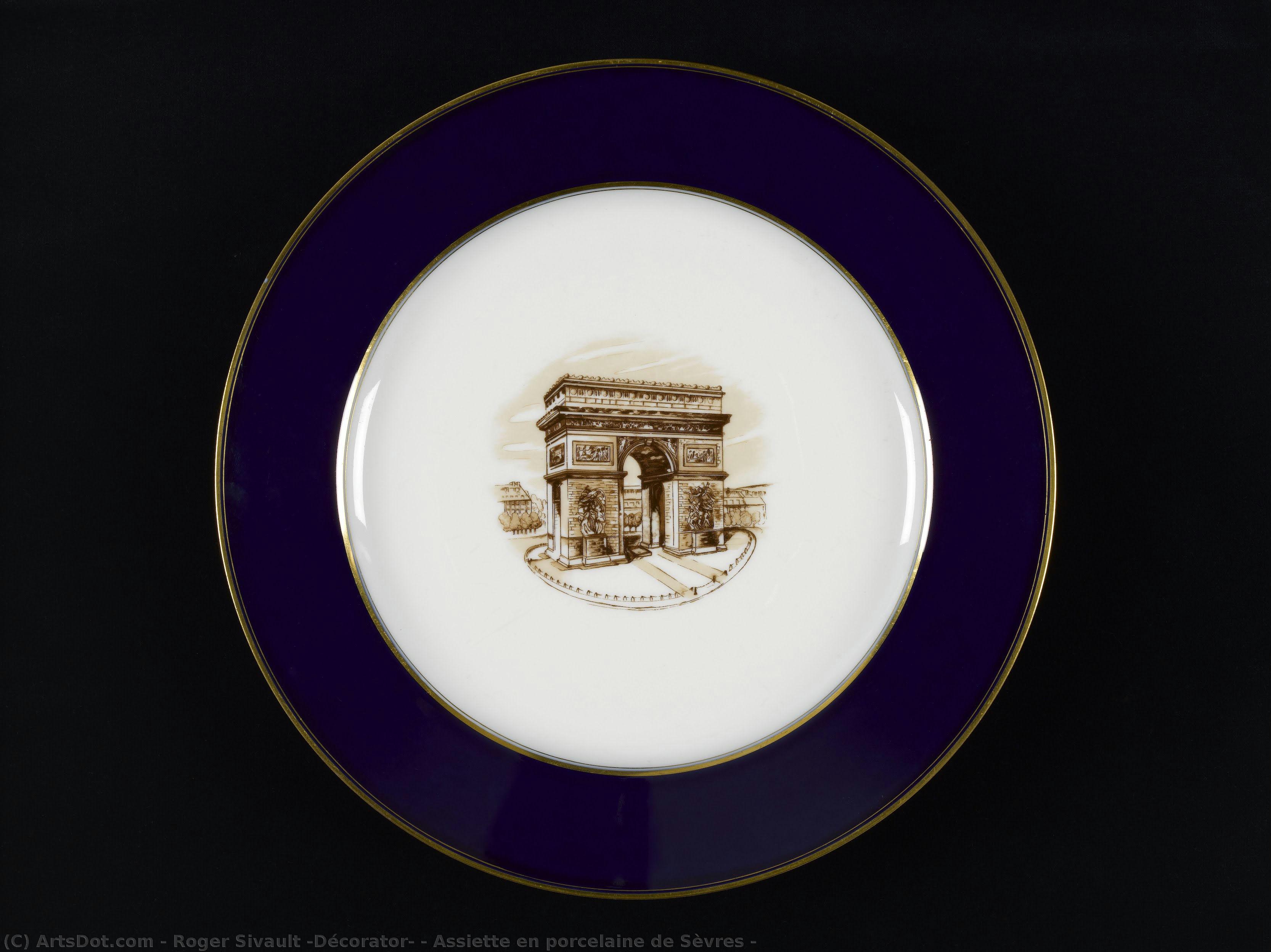
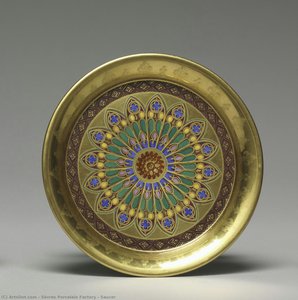
Assiette en porcelaine de Sèvres


 Read More
Purchase a high-resolution, enhanced digital image, far superior to the online preview.
Each file is meticulously prepared by our in-house specialists using advanced tools and expert manual retouching. We ensure every image has exceptional clarity, precise color accuracy, and fine detail.
The final file is delivered via email within 72 hours, optimized for immediate use in professional, editorial, and print environments. This is the same quality trusted by top-tier design studios, publishers, and galleries.
Digital Image
Download a high-resolution file for personal display, printing, and creative projects. ( Buy Print Buy Hand Made Painting)
Included in Every Digital Image Order
Expert Digital Delivery, Guaranteed
When you choose ArtsDot.com, you're not just getting an image - you're receiving a professionally enhanced digital artwork, crafted with precision and backed by a satisfaction guarantee. Here's everything that comes with your order, automatically:

Fast Email Delivery
Your high-resolution digital image file will be emailed to you within 72 hours of ordering - ready for immediate use.

AI-Enhanced Digital File
Your artwork is professionally optimized using advanced AI tools and manual editing, ensuring maximum detail, clarity, and color accuracy.

Free Lifetime Re-Delivery
Accidentally deleted or lost your file? No worries - we'll resend it to you anytime, free of charge.

No Import Fees - Ever
Enjoy your artwork instantly with zero customs, duties, or delivery fees - digital downloads are always tax-free.

Color Accuracy Guarantee
We ensure your digital image reflects the original colors as closely as possible using professional tools and color management.

60-Day Satisfaction Guarantee
If you're not satisfied with your digital image, we'll revise it or refund 100% within 60 days - no questions asked.

100% Money-Back Guarantee
Not satisfied? Get a full refund within 60 days of receiving your digital file - no questions asked.

Bulk Order Discounts
Buy 3 images, save 10% - Buy 5, save 15% - Buy 10+, save 20%. Great for creative projects, galleries, and agencies.
Related Artworks
Artist Biography
The Shadow of the War: A Portrait of a Lost Generation Artist
The year 1920 found Elias Thorne, a young man adrift in the aftermath of World War I, seeking solace and expression within the vibrant, yet turbulent, artistic landscape of Paris. Born in 1920 to modest means in rural England, Thorne’s early life was marked by a quiet solitude—a stark contrast to the roaring energy he would soon encounter on the Left Bank. The war had irrevocably altered Europe, shattering traditional values and leaving a profound sense of disillusionment. This atmosphere of uncertainty and questioning became the bedrock upon which Thorne's artistic vision began to take shape. Initially drawn to the burgeoning Cubist movement, influenced by the works of Picasso and Braque, his early paintings reflected a fragmented reality—geometric shapes colliding and overlapping, mirroring the shattered remnants of a world at war.
However, Thorne quickly outgrew the rigid constraints of Cubism, seeking a more emotionally resonant approach. He found himself increasingly captivated by the burgeoning Surrealist movement, particularly the dreamlike imagery and exploration of the subconscious championed by artists like Salvador Dalí and René Magritte. This shift wasn’t merely stylistic; it represented a fundamental change in his artistic philosophy—a move away from objective representation towards subjective experience. The horrors he had witnessed during the war had left an indelible mark on his psyche, fueling a desire to capture not just what was seen, but also what *felt* – the anxieties, fears, and unspoken emotions that lay beneath the surface of everyday life.
The Art Deco Influence & Early Success
As the 1920s progressed, Thorne’s style began to coalesce around the aesthetic principles of Art Deco. This fascination stemmed partly from a desire for glamour and sophistication—a reaction against the somber mood that still permeated much of European art. He was drawn to the sleek lines, geometric patterns, and opulent ornamentation characteristic of the movement, finding inspiration in the architecture of skyscrapers, automobiles, and luxury goods. His paintings began to incorporate these elements – stylized figures, bold colors, and a sense of dynamic energy—reflecting the optimism and technological advancements of the era.
Despite his growing recognition within Parisian artistic circles, Thorne’s career was tragically cut short. He quickly gained notoriety for his striking portraits, particularly those capturing the spirit of the Jazz Age – flappers in shimmering dresses, musicians lost in improvisation, and intellectuals engaged in lively debate. His work was exhibited in several prominent galleries, including Galerie Renouard and Galerie Simon, attracting attention from wealthy patrons and collectors. He even secured commissions for murals in private residences and public spaces, solidifying his position as a rising star within the Parisian art scene.
A Descent into Expressionism & Personal Turmoil
By 1928, Thorne’s artistic trajectory took an unexpected turn. The relentless pressure of success, coupled with unresolved trauma from the war and a growing sense of alienation, led him down a path toward Expressionist techniques. His palette darkened, his brushstrokes became more frenzied, and his subjects—often self-portraits—exuded a palpable sense of anguish and despair. This period saw the emergence of intensely personal works exploring themes of isolation, loss, and the psychological toll of modern life.
Sources indicate that Thorne struggled with bouts of depression and alcoholism during this time, exacerbated by his difficult relationship with his muse and frequent collaborator, a young American artist named Vivian Holloway. The intensity of his emotional state is reflected in paintings like “Nocturne of Despair” (1929) – a haunting depiction of a solitary figure silhouetted against a stormy sky—and "Echoes of Silence" (1930), which captures the feeling of profound loneliness and regret. These works, while emotionally raw, demonstrate a remarkable level of technical skill and artistic depth.
Legacy & The Tragic End
Tragically, Elias Thorne’s life was cut short in 1968 at the age of 48. He died from complications related to alcoholism, leaving behind a relatively small but powerfully evocative body of work. Despite his brief career, Thorne's influence on subsequent generations of artists is undeniable. His exploration of psychological themes, combined with his masterful command of color and form, paved the way for later Expressionist painters and Surrealists.
Today, Elias Thorne’s paintings are highly sought after by collectors worldwide. They are exhibited in major museums and private collections, serving as a poignant reminder of a lost generation artist who captured the anxieties and uncertainties of his time with unflinching honesty and remarkable artistic vision. His work stands as a testament to the enduring power of art to confront difficult truths and explore the depths of the human experience.
Useful Links:
roger sivault (décorator)
1920 - 1968 , France
Quick Facts
- Artistic Movement Or Style: 1920s Art Deco
- Artists Who Influenced This Artist: ['Marcel Duchamp']
- Date Of Death: 1968
- Place Of Birth: WahooArt

