

 Preview
 Send
Send Share
Share
 Details

 Download
 Similars
 X-Ray
X-Ray Diaporama
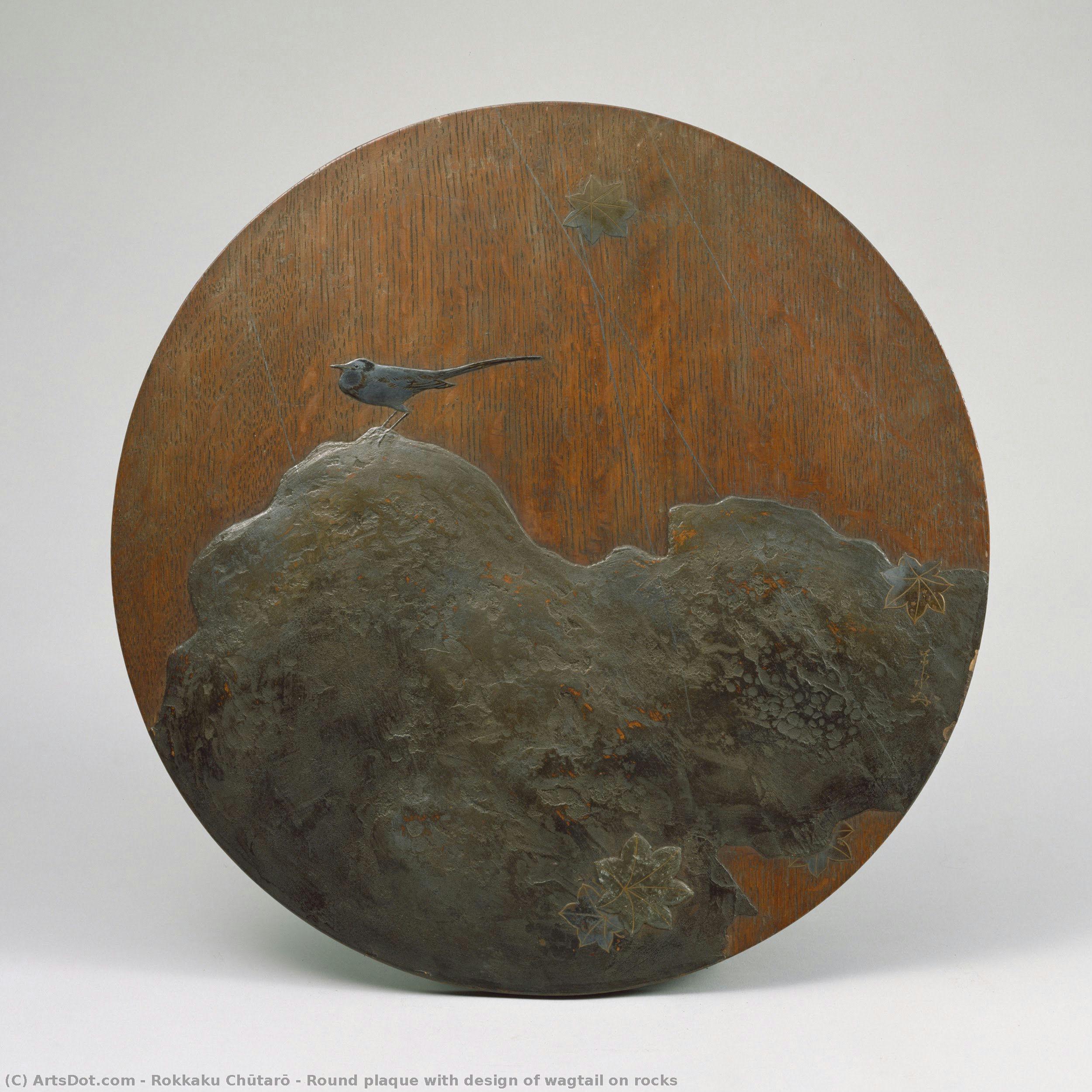
Round plaque with design of wagtail on rocks


 Read More
Purchase a high-resolution, enhanced digital image, far superior to the online preview.
Each file is meticulously prepared by our in-house specialists using advanced tools and expert manual retouching. We ensure every image has exceptional clarity, precise color accuracy, and fine detail.
The final file is delivered via email within 72 hours, optimized for immediate use in professional, editorial, and print environments. This is the same quality trusted by top-tier design studios, publishers, and galleries.
Digital Image
Download a high-resolution file for personal display, printing, and creative projects. ( Buy Print Buy Hand Made Painting)
Included in Every Digital Image Order
Expert Digital Delivery, Guaranteed
When you choose ArtsDot.com, you're not just getting an image - you're receiving a professionally enhanced digital artwork, crafted with precision and backed by a satisfaction guarantee. Here's everything that comes with your order, automatically:

Fast Email Delivery
Your high-resolution digital image file will be emailed to you within 72 hours of ordering - ready for immediate use.

AI-Enhanced Digital File
Your artwork is professionally optimized using advanced AI tools and manual editing, ensuring maximum detail, clarity, and color accuracy.

Free Lifetime Re-Delivery
Accidentally deleted or lost your file? No worries - we'll resend it to you anytime, free of charge.

No Import Fees - Ever
Enjoy your artwork instantly with zero customs, duties, or delivery fees - digital downloads are always tax-free.

Color Accuracy Guarantee
We ensure your digital image reflects the original colors as closely as possible using professional tools and color management.

60-Day Satisfaction Guarantee
If you're not satisfied with your digital image, we'll revise it or refund 100% within 60 days - no questions asked.

100% Money-Back Guarantee
Not satisfied? Get a full refund within 60 days of receiving your digital file - no questions asked.

Bulk Order Discounts
Buy 3 images, save 10% - Buy 5, save 15% - Buy 10+, save 20%. Great for creative projects, galleries, and agencies.
Collectible Description
Related Artworks
Artist Biography
Pierre Bonnard: A Painter of Intimate Light
Born in Fontenay-aux-Roses, a charming suburb just outside Paris, on October 3rd, 1867, Pierre Bonnard was more than simply a painter; he was a meticulous architect of light and color. His life, marked by both artistic triumph and personal hardship, culminated in a body of work that continues to captivate with its deceptively simple beauty and profound emotional resonance. While often categorized as a Post-Impressionist, Bonnard’s style evolved far beyond the fleeting effects of Impressionism, forging a unique path characterized by decorative precision, bold color palettes, and an intimate focus on domestic scenes and portraits.
Bonnard's early artistic education was shaped by a confluence of influences. He began with drawing lessons as a child, nurtured by his father’s encouragement, and later honed his skills at the Académie Julian in Paris. Crucially, he encountered the vibrant world of Les Nabis – a group of artists including Édouard Manet, Paul Gauguin, and Vincent van Gogh – who championed a subjective approach to color and form, rejecting academic realism in favor of capturing emotional impressions. This encounter profoundly impacted Bonnard’s development, particularly his exploration of color as a primary expressive element. The influence of Japanese prints, with their flattened perspectives and vibrant hues, is also evident throughout his oeuvre, adding a layer of visual poetry to his compositions.
The Nabis and the Dawn of Modernism
Joining Les Nabis in 1888, Bonnard initially worked alongside Paul Sérusier and Frederick André Martens, contributing to their journal *Aux Devants*. However, he soon diverged from the group’s more overtly symbolic approach, developing a distinct style that prioritized atmosphere and mood over narrative. His early works, often depicting landscapes and interiors bathed in soft light, demonstrate this shift. He wasn't interested in grand pronouncements or dramatic narratives; instead, he sought to capture the subtle nuances of everyday life – the warmth of a hearth, the dappled sunlight through a window, the quiet intimacy of a shared moment.
Bonnard’s artistic journey was not without its challenges. His marriage to Marthe Tepes in 1892 brought both joy and sorrow. Their relationship was marked by periods of intense happiness interspersed with periods of separation and hardship, including Marthe's long illness and eventual confinement to a mental asylum. These personal struggles profoundly shaped Bonnard’s artistic vision, leading him to explore themes of isolation, memory, and the fragility of human connection in his later works. The emotional weight of these experiences is subtly conveyed through his use of color, light, and composition – creating paintings that are both visually stunning and deeply moving.
A Master of Color and Light
Bonnard’s technique was characterized by a remarkable sensitivity to color and light. He rarely sketched preparatory studies, preferring to work directly onto the canvas, intuitively layering colors and shapes to create an atmosphere of luminous intensity. His palette was often dominated by muted tones – ochres, blues, greens, and purples – but he masterfully manipulated these hues to evoke specific moods and sensations. He employed a technique known as *pointillé*, using small dots of color to build up surfaces and create a shimmering effect, reminiscent of the Impressionists but with a more deliberate and controlled approach.
His subjects ranged from intimate domestic scenes – portraits of his wife, Marthe, and their children – to landscapes of the French countryside. He frequently depicted interiors, transforming ordinary rooms into spaces of quiet beauty and emotional resonance. Notable works include *La Classe d'Écoles* (1903-1904), a vibrant depiction of a schoolroom filled with children, and *The Large Bedroom* (1928), a masterpiece of color and composition that captures the essence of domestic tranquility. His later paintings, particularly those created during his time at Montmartre, are characterized by an even greater sense of spontaneity and freedom, reflecting his evolving artistic sensibilities.
Legacy and Influence
Pierre Bonnard died on January 23rd, 1947, in La Route de Serra Capeou, near Antibes, France. His work was initially overlooked by the art world but gained increasing recognition after World War II. Today, he is celebrated as one of the most important and influential painters of the Post-Impressionist era. His innovative use of color, his exploration of intimate themes, and his masterful manipulation of light continue to inspire artists today. Bonnard’s legacy lies not only in his stunningly beautiful paintings but also in his profound understanding of the power of art to evoke emotion and capture the essence of human experience.
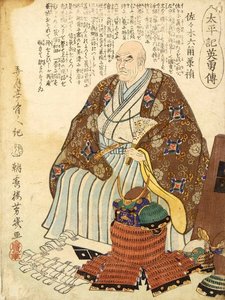
rokkaku chūtarō
1867 - 1950 , Japan
Quick Facts
- Artistic Movement Or Style: Post-Impressionism, Nabis
- Artists Or Movements Influenced By This Artist:
- Henri Matisse
- Modernism
- Artists Who Influenced This Artist:
- Paul Gauguin
- Hokusai
- Date Of Birth: 1867-10-03
- Date Of Death: 1947-01-23
- Full Name: Pierre Bonnard
- Nationality: French
- Notable Artworks:
- La Route de Serra Capeou
- Mont Saint-Victoire
- The Large Format Basket of Apples
- Place Of Birth: Fontenay-aux-Roses, France

