

 Preview
 Send
Send Share
Share
 Details

 Download
 Similars
 X-Ray
X-Ray Diaporama
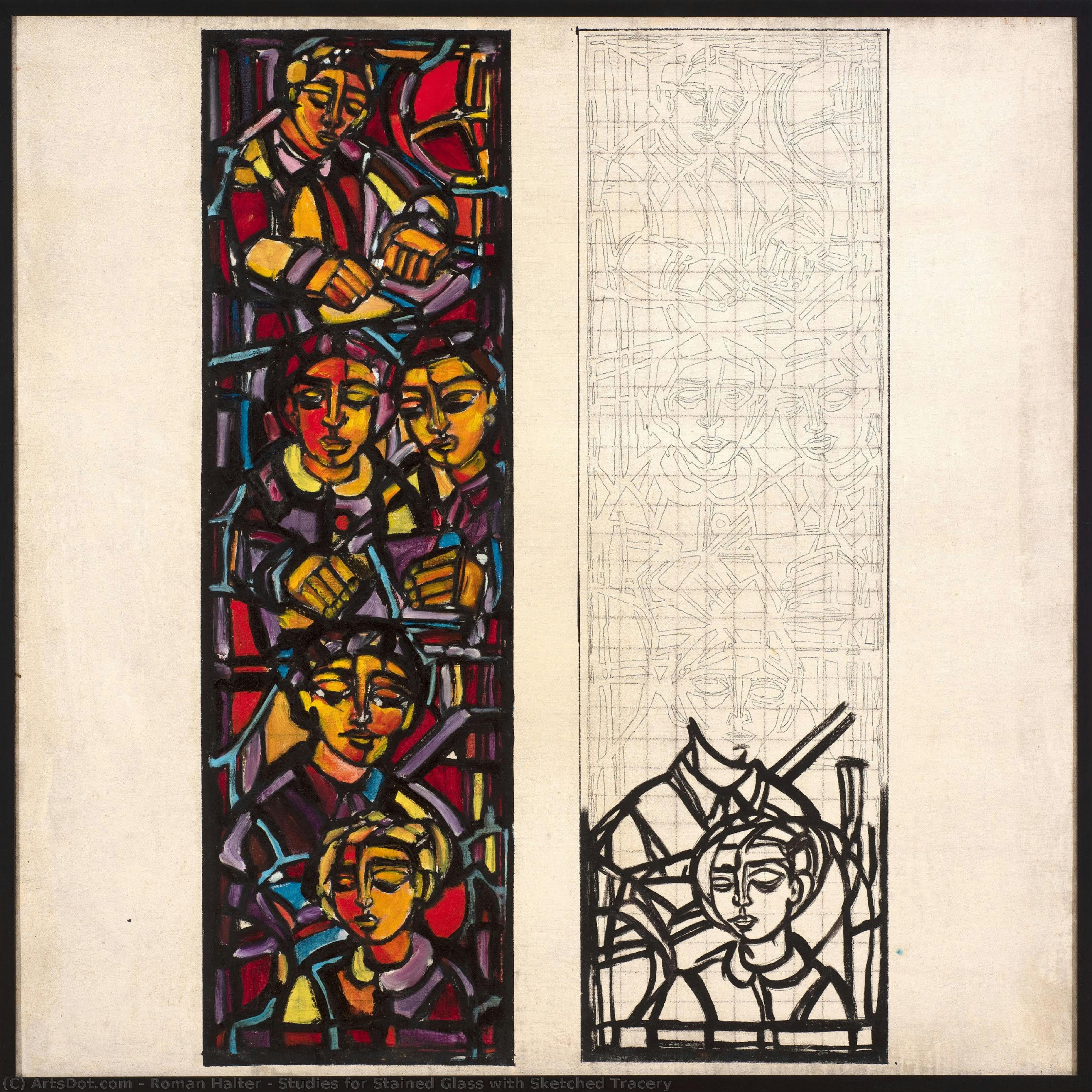
Studies for Stained Glass with Sketched Tracery
 Acrylic On Canvas
- WallArt
- Contemporary Realism
 Modern
 91.0 x 91.0 cm
 Ben Uri Gallery and Museum
 Read More
Purchase a high-resolution, enhanced digital image, far superior to the online preview.
Each file is meticulously prepared by our in-house specialists using advanced tools and expert manual retouching. We ensure every image has exceptional clarity, precise color accuracy, and fine detail.
The final file is delivered via email within 72 hours, optimized for immediate use in professional, editorial, and print environments. This is the same quality trusted by top-tier design studios, publishers, and galleries.
Digital Image
Download a high-resolution file for personal display, printing, and creative projects. ( Buy Print Buy Hand Made Painting)
Included in Every Digital Image Order
Expert Digital Delivery, Guaranteed
When you choose ArtsDot.com, you're not just getting an image - you're receiving a professionally enhanced digital artwork, crafted with precision and backed by a satisfaction guarantee. Here's everything that comes with your order, automatically:

Fast Email Delivery
Your high-resolution digital image file will be emailed to you within 72 hours of ordering - ready for immediate use.

AI-Enhanced Digital File
Your artwork is professionally optimized using advanced AI tools and manual editing, ensuring maximum detail, clarity, and color accuracy.

Free Lifetime Re-Delivery
Accidentally deleted or lost your file? No worries - we'll resend it to you anytime, free of charge.

No Import Fees - Ever
Enjoy your artwork instantly with zero customs, duties, or delivery fees - digital downloads are always tax-free.

Color Accuracy Guarantee
We ensure your digital image reflects the original colors as closely as possible using professional tools and color management.

60-Day Satisfaction Guarantee
If you're not satisfied with your digital image, we'll revise it or refund 100% within 60 days - no questions asked.

100% Money-Back Guarantee
Not satisfied? Get a full refund within 60 days of receiving your digital file - no questions asked.

Bulk Order Discounts
Buy 3 images, save 10% - Buy 5, save 15% - Buy 10+, save 20%. Great for creative projects, galleries, and agencies.
Collectible Description
Roman Halter’s ‘Studies for Stained Glass with Sketched Tracery’: A Window into Quiet Intensity
This captivating painting by Roman Halter, created during his formative years, offers a poignant glimpse into the artist's evolving style and deeply personal vision. Executed in 1987, “Studies for Stained Glass with Sketched Tracery” is more than just a depiction of figures within a church setting; it’s an exploration of memory, isolation, and the subtle power of observation – themes that would become hallmarks of Halter's mature oeuvre. The work, currently housed in the Ben Uri Collection, reveals a nascent talent grappling with complex ideas, foreshadowing the iconic portraits for which he would later achieve international acclaim.
Subject Matter and Composition
The scene unfolds within what appears to be a modest church interior. A group of individuals – nine in number – are arranged in a tableau of quiet contemplation. Their postures, ranging from standing with hands clasped to more relaxed stances, suggest a shared moment of reflection or perhaps a formal gathering. The inclusion of two clocks—one on the left and another towards the right—immediately introduces an element of temporal awareness, subtly disrupting the scene’s stillness and prompting questions about the passage of time and its impact on human experience. Halter's careful composition draws the viewer into this intimate space, fostering a sense of voyeuristic curiosity.
Technique and Style: Echoes of Early Modernism
Painted in oil on canvas, “Studies for Stained Glass with Sketched Tracery” demonstrates Halter’s early command of technique. The brushwork is deliberate yet not overly polished, revealing a sensitivity to texture and light. There's a clear influence of early modernism—particularly the work of Edward Hopper—in the painting’s emphasis on isolated figures within ambiguous spaces. The muted color palette – dominated by earth tones and subtle gradations – contributes to the overall mood of quiet introspection. Halter’s approach foreshadows his later preference for sharp, precise lines and a focus on formal elements, though here, the execution is characterized by a more expressive quality.
Symbolism and Emotional Resonance
The painting's symbolism is layered and open to interpretation. The church setting itself can be read as representing faith, community, or perhaps even the search for meaning in life. The clocks serve as potent reminders of mortality and the fleeting nature of time. Considering Halter’s upbringing – shaped by his Ukrainian immigrant family’s experiences following World War I – there's a palpable sense of melancholy and quiet resilience within the scene. The figures, though unnamed, evoke a feeling of shared humanity, inviting viewers to contemplate their own place in the world.
A Valuable Reproduction
This hand-painted reproduction captures the essence of Halter’s early work with remarkable fidelity. Measuring 91 x 91 cm, it offers a substantial presence for any interior space. Ideal for collectors seeking to acquire a piece of art history or for interior designers aiming to infuse their projects with a touch of contemplative beauty, this reproduction provides an accessible entry point into the oeuvre of one of America’s most significant portrait artists. It's a testament to Halter’s enduring legacy and a captivating addition to any discerning collection.
Related Artworks



Artist Biography
Early Years and the Prairie Landscape
Alex Katz, born July 24, 1927, in Brooklyn, New York, wasn’t destined for a life immersed in the vibrant hues of the art world. His early years were shaped by the quiet austerity of his Ukrainian immigrant family’s experience – a stark contrast to the bold colors he would later become synonymous with. His father, Odesa-born Dmytro Kurelek, had arrived in America seeking opportunity after losing his factory during the turmoil following World War I, and his mother, Ada Katz (later Del Moro), provided a grounding presence amidst the family’s struggles. Growing up in St. Albans, Queens, and later in rural Vermont, particularly during summers at Lincolnville, profoundly influenced his artistic vision. These early experiences—the muted tones of the working-class landscape, the stoicism of his father, and the introspective nature of his mother – formed a bedrock for his future work, subtly informing the quiet intensity of his paintings. The isolation of these rural settings, coupled with a sensitive temperament, fostered a deep connection to observation and a tendency toward introspection, qualities that would become central to his artistic practice.- Early Influences: Katz’s childhood was marked by exposure to diverse cultural influences – Ukrainian folklore, American literature, and the burgeoning world of art through family friends and local galleries.
- Skowhegan School Impact: A pivotal experience at the Skowhegan School of Painting and Sculpture in 1950 proved transformative. The emphasis on *plein air* painting—working directly from life outdoors—provided him with a renewed sense of purpose and a fundamental shift in his approach to capturing reality.
- The Lincolnville Summers: His annual sojourn to the farmhouse in Lincolnville, Maine, became an essential ritual. This period allowed him to escape the pressures of city life and reconnect with nature, fueling his artistic exploration and solidifying his commitment to painting as a lifelong pursuit.
The Rise of Simplicity and Bold Color
Katz’s artistic trajectory began to take shape in the early 1950s. Initially experimenting with collage and printmaking, he quickly gravitated toward large-scale oil paintings—a deliberate departure from the prevailing trends of the time. His early works, often depicting scenes of everyday life – families picnicking, friends conversing, or solitary figures engaged in quiet contemplation – were characterized by a remarkable simplicity. He eschewed elaborate detail and complex narratives, instead focusing on capturing essential forms and conveying a sense of mood through carefully chosen colors. This minimalist approach, coupled with his use of saturated hues—bold reds, vibrant blues, and intense yellows—immediately distinguished him from the more representational styles dominating the art scene. Critics initially viewed this style as unconventional, even bordering on naive, but it was precisely this directness and emotional honesty that resonated with viewers. Key Characteristics:- Simplified Forms: Katz reduced subjects to their most essential elements, eliminating extraneous details.
- Bold Color Palette: He employed a striking array of colors, often using them in unexpected combinations to create dynamic and emotionally charged compositions.
- Intimate Scale: His paintings are typically large-scale, enveloping the viewer and drawing them into the scene.
Pop Art Precursor and Continued Evolution
While Katz resisted easy categorization, his work is widely considered a crucial precursor to Pop Art. His focus on recognizable subjects—often drawn from popular culture or everyday life—and his use of bright, flat colors anticipated the aesthetic sensibilities of artists like Andy Warhol and Roy Lichtenstein. However, Katz’s approach differed significantly in its emphasis on emotional depth and psychological complexity. He wasn't simply replicating images; he was exploring the underlying feelings and experiences associated with those subjects. Throughout the 1960s and beyond, Katz continued to refine his style, experimenting with new techniques and pushing the boundaries of traditional painting. He explored themes of identity, memory, and the passage of time, often employing a subtle sense of melancholy or nostalgia in his work. Notable Developments:- The “Brooklyn” Series (1964-1967): This series of portraits of friends and acquaintances solidified Katz’s reputation as a master of capturing the essence of human interaction.
- Expansion into Sculpture: In the late 1980s, Katz began to create sculptures—often incorporating found objects and exploring themes of memory and loss.
- Continued Exploration of Color: He consistently pushed the limits of his color palette, experimenting with new combinations and techniques to achieve increasingly expressive effects.
Legacy and Recognition
Alex Katz’s impact on contemporary art is undeniable. His distinctive style—characterized by its simplicity, boldness, and emotional resonance—has influenced generations of artists. He has exhibited extensively throughout the United States and internationally, with over 200 solo exhibitions and nearly 500 group shows. His work is held in major museum collections worldwide, including the Museum of Modern Art (MoMA) in New York, the National Gallery of Art in Washington D.C., and the Tate Modern in London. Beyond his artistic achievements, Katz’s life story—his struggles with mental illness, his unconventional approach to artmaking, and his unwavering commitment to his craft—serves as an inspiration to artists and viewers alike. He died on January 17, 2012, leaving behind a body of work that continues to captivate and challenge audiences today. His legacy lies not only in the beauty of his paintings but also in their quiet power to evoke profound emotions and invite contemplation.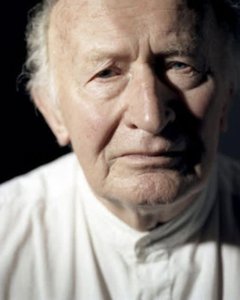
roman halter
1927 - 2012 , Poland
Quick Facts
- Artistic Movement Or Style:
- Figurative painting
- Pop Art
- New Realism
- Artists Or Movements Influenced By This Artist:
- Pop Art
- Minimalism
- Artists Who Influenced This Artist:
- Jacques Lipchitz
- Stuart Davis
- Date Of Birth: July 24, 1927
- Date Of Death: 2012
- Full Name: Alex Katz
- Nationality: American
- Notable Artworks:
- The Woman with White Blossoms
- Man in a Blue Suit
- Couple
- Place Of Birth: Brooklyn, New York

