 Preview
 Send
Send Share
Share
 Details

 Download
 Similars
 X-Ray
X-Ray Diaporama
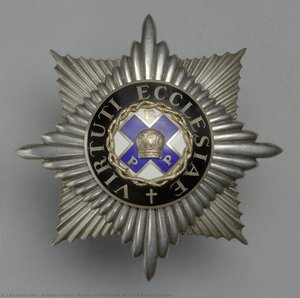
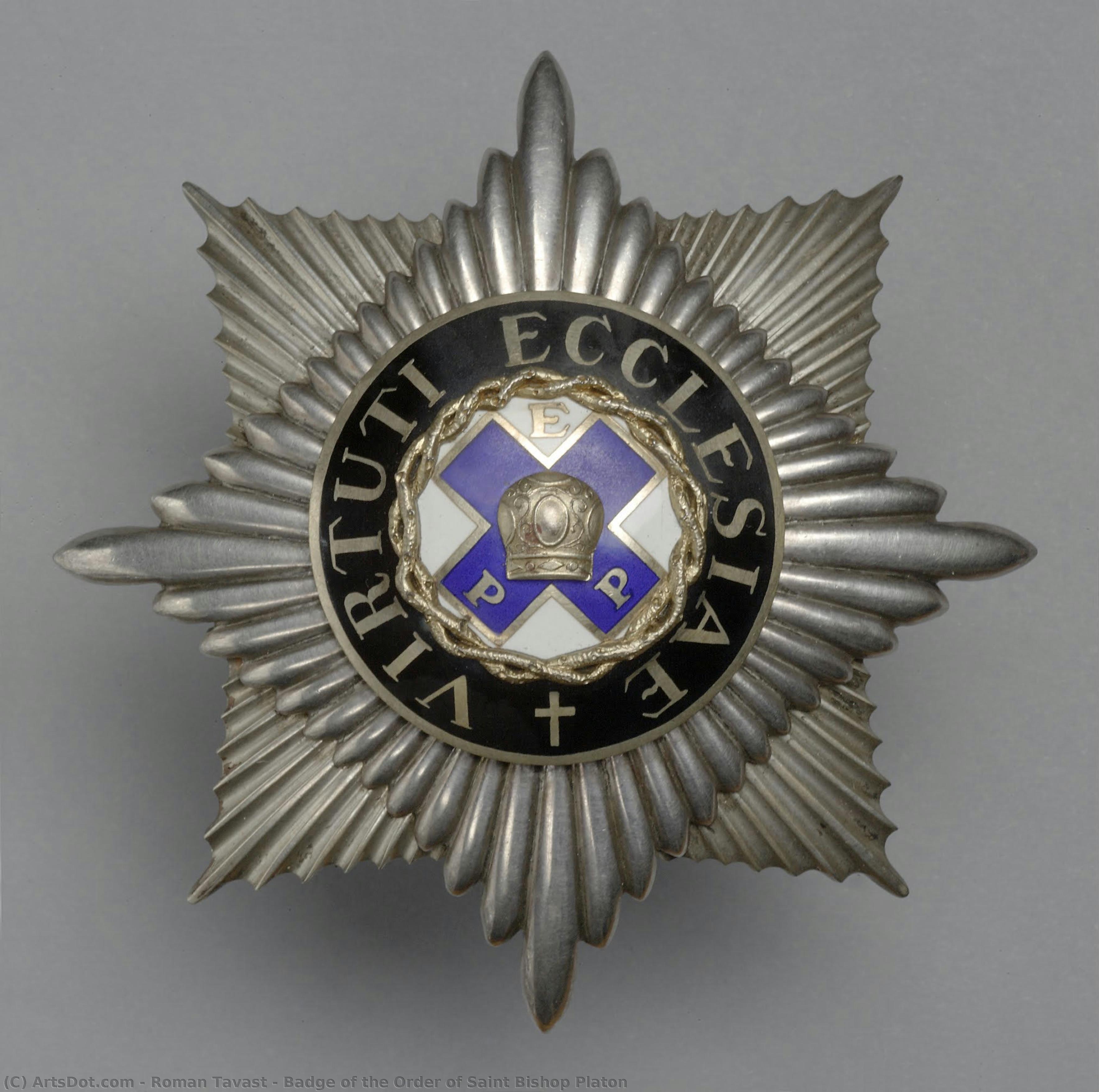
Badge of the Order of Saint Bishop Platon


 Read More
Hand Made Oil Reproduction
Hand-painted oil on canvas in your size and frame, made to order by our artists. ( Buy Print Buy Image)




































Pick from our preset sizes that match the artwork's original proportions.

You may enter your own dimensions to fit a specific frame or space. If your selected size does not match the original image's proportions, we will either crop the artwork or extend the painting with additional hand-painted elements. A digital mockup will be sent for your approval before production begins.
Please note that the on-screen preview does not reflect the actual cropping or extension. Only the mockup will accurately show the final composition.
While custom sizes are available, we recommend selecting a dimension from the predefined list to preserve the original proportions.
After order, ArtsDot.com team will email client for instructions and provide a mockup preview
Worldwide Delivery () in 3/4 weeks instead of standard 5 weeks. (5 September). No compromise on quality.

Free Worldwide Express Shipping

High-Quality Linen Canvas

Full Shipping Insurance

Customs Tax Refund Guarantee

True Color Matching Guarantee

60-Day Return Policy (Defects Only)

100% Money-Back Guarantee

Bulk Discount Offer
 Glass option is only available in size under 110 CM

Badge of the Order of Saint Bishop Platon
Reproduction Medium
Reproduction Size
-


Total Price
$ 263
Related Artworks







Artist Biography
Roman Tavast: Life and Legacy
Early Life and Education
- Born: May 11, 1895, in Tallinn, Estonia.
- Family Background: Roman Tavast came from a humble fisherman’s family, shaping his early understanding of craftsmanship and resilience.
- Education: He began his formal education at Niklasen's 4-year private school. Subsequently, he pursued specialized training in engraving and goldsmithing at E. Treder's workshop.
- Further honing his skills, Tavast worked under the esteemed goldsmith Julius Lossman, mastering the art of gilding. He also attended an art school to broaden his artistic foundation and completed evening high school for a general education.
Artistic Development & Career
- Independent Beginnings: Following the Estonian War of Independence, Tavast embarked on his independent career. In 1920, he equipped himself with a goldsmith’s workbench and, by 1921, added a wire rolling machine to his workshop.
- VMT Roman Tavast: In 1923, at the age of 28, he established VMT Roman Tavast – an independent company specializing in the production of badges, medals, and various honors and awards. This marked a significant milestone in his career.
- Artistic Style: Tavast’s work is often associated with the Art Deco movement, characterized by its elegant geometry, streamlined forms, and sophisticated ornamentation. His designs reflected both Estonian national identity and contemporary artistic trends.
Major Achievements & Notable Works
- Production of Honors: Tavast’s company became renowned for creating high-quality badges, medals, and awards for various Estonian organizations and institutions. These pieces served as symbols of national pride and recognition.
- Badge of the Order of Saint Bishop Platon: One notable example of his work is the Badge of the Order of Saint Bishop Platon, showcasing his meticulous craftsmanship and artistic skill.
- Business Acumen: Tavast demonstrated exceptional entrepreneurial skills in building and managing a successful jewelry factory during a period of economic and political change.
Historical Significance & Tragic Fate
- Soviet Occupation (1940): The occupation of Estonia by the Soviet Union in 1940 dramatically altered Tavast’s life and work. His factory and residential building were nationalized, and Karl Johanson was appointed as the new director.
- Deportation & Execution: Despite continuing to work as a technical manager at his former factory until June 1941, Tavast was deported to the Vorkuta camp system in the Russian North. Tragically, he was sentenced to death and executed in Sosva, Sverdlovsk Oblast, Soviet Union, on August 3, 1942.
- Legacy: Roman Tavast’s story serves as a poignant reminder of the impact of political upheaval on artistic expression and individual lives. His work remains a testament to Estonian craftsmanship and national identity, even amidst adversity.
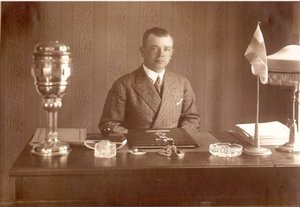
Roman Tavast
1895 - 1942 , Estonia
Quick Facts
- Birth Date: 1895-05-11
- Birth Place: Tallinn, Estonia
- Death Date: 1942-08-03
- Movement: Art Deco
- Name: Roman Tavast
- Nationality: Estonian
- Notable Works: Badge of the Order of Saint Bishop Platon