 Preview
 Send
Send Share
Share
 Details

 Download
 Similars
 X-Ray
X-Ray Diaporama
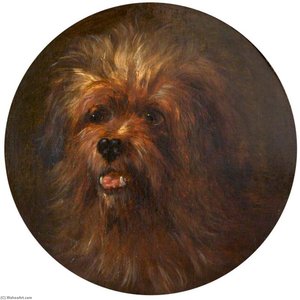
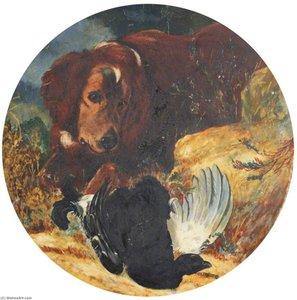
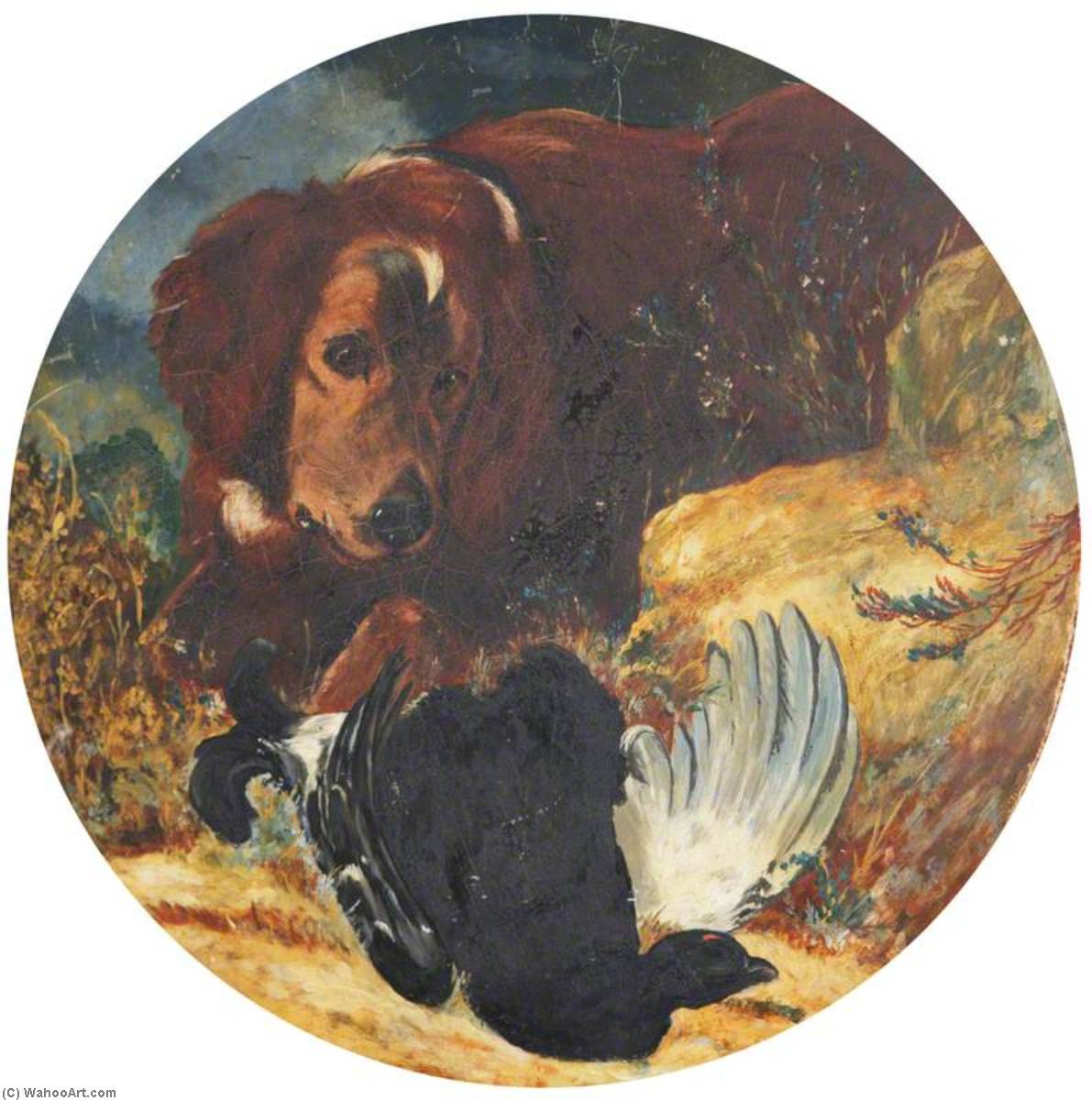
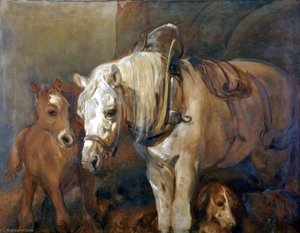
Black Cock and a Setter
 1882
1882 48.0 x 48.0 cm
 National Trust
 Read More
Hand Made Oil Reproduction
Hand-painted oil on canvas in your size and frame, made to order by our artists. ( Buy Print Buy Image)




































Pick from our preset sizes that match the artwork's original proportions.

You may enter your own dimensions to fit a specific frame or space. If your selected size does not match the original image's proportions, we will either crop the artwork or extend the painting with additional hand-painted elements. A digital mockup will be sent for your approval before production begins.
Please note that the on-screen preview does not reflect the actual cropping or extension. Only the mockup will accurately show the final composition.
While custom sizes are available, we recommend selecting a dimension from the predefined list to preserve the original proportions.
After order, ArtsDot.com team will email client for instructions and provide a mockup preview
Worldwide Delivery () in 3/4 weeks instead of standard 5 weeks. (21 August). No compromise on quality.

Free Worldwide Express Shipping

High-Quality Linen Canvas

Full Shipping Insurance

Customs Tax Refund Guarantee

True Color Matching Guarantee

60-Day Return Policy (Defects Only)

100% Money-Back Guarantee

Bulk Discount Offer
 Glass option is only available in size under 110 CM

Black Cock and a Setter
Reproduction Medium
Reproduction Size
-


Total Price
$ 263
Related Artworks








Artist Biography
A Legacy of Light and Land: The Life of Rosalie Chichester
Rosalie Chichester (1865–1949) remains a luminous figure in the tapestry of British art, representing a rare intersection of creative mastery, scientific curiosity, and profound environmental stewardship. Born into a wealthy Cornish lineage, her life was far more than a mere chronicle of landed privilege; it was an intentional journey toward capturing the ephemeral beauty of the natural world. As an artist, photographer, and writer, Chichester possessed an inquisitive spirit that allowed her to look beyond the surface of the Devon landscape, seeking instead the rhythmic pulse of light and color that defines the English countryside.
Her early years were shaped by a deep-seated passion for botany and horticulture, disciplines that demanded a meticulous eye for detail—a trait that would become the cornerstone of her painterly technique. While the societal constraints of the late Victorian era often directed women toward more domestic pursuits, Chichester embraced an independent path of study. She drew profound inspiration from the Impressionist masters, particularly the works of Claude Monet and Camille Punctual Pissarro, learning to translate the fleeting atmospheric shifts of the Devon sky onto canvas through visible, evocative brushstrokes and a sophisticated understanding of luminosity.
The Artistry of Observation: Technique and Subject Matter
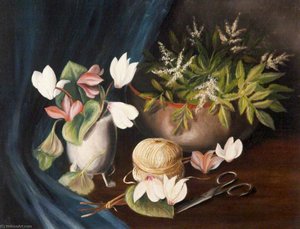
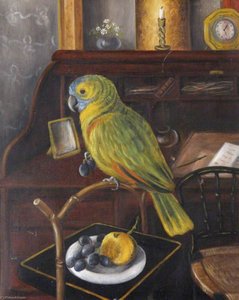
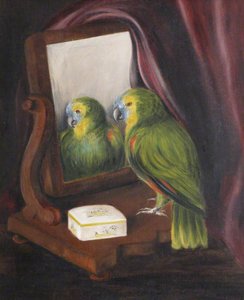
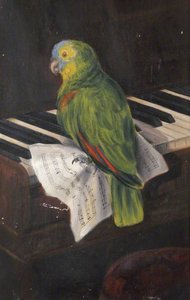
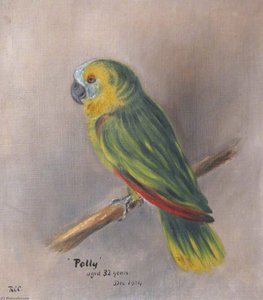
Chichester’s oeuvre is a testament to her ability to blend rigorous realism with an Impressionistic sensitivity. Her work often oscillates between the intimate scale of botanical studies and the expansive grandeur of landscape painting. In her still lifes, she demonstrated a remarkable command over texture and light; for instance, in Miss Chichester’s Parrot, she utilizes a striking compositional balance to present two parrots before a mirror, a piece that showcases her ability to capture both the vibrant plumage of her subjects and the subtle reflections of their environment. This mastery extends to her floral arrangements, such as Still Life of Cyclamen, Astilbes and Scissors, where the delicate petals and sharp metallic edges are rendered with an evocative palette that breathes life into the arrangement.
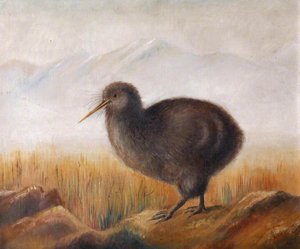
Beyond the controlled environment of the studio, her landscapes serve as a visual diary of the Devon region. She had a unique talent for capturing the "essence" of a place—not merely its topography, but its mood. Whether depicting the lush greenery of a manicured garden or the wilder, untamed edges of the estate, her work reflects a deep emotional connection to the earth. This connection is further evidenced in her experimental works, such as A Kiwi in a Landscape, which suggests a playful, imaginative side to her observational prowess, blending the exotic with the familiar.
Conservation and the Gift of Arlington Court
The historical significance of Rosalie Chichester extends far beyond the borders of the art gallery. Her life’s work was inextricably linked to the preservation of heritage. As a landowner, she viewed her estate, Arlington Court, not merely as property, but as a living museum of natural and cultural history. Her dedication to conservation was not a passive sentiment but an active, lifelong mission that informed her photography and her writing.
Her greatest achievement, perhaps, was the enduring legacy of her generosity. By gifting Arlington Court to the National Trust, she ensured that the landscapes she so lovingly painted and the botanical treasures she cultivated would remain accessible to the public in perpetuity. This act of selfless preservation transformed her personal passion into a public treasure, cementing her status as a pioneer of both British art and environmental conservation. Today, her name is remembered not only for the delicate light captured in her paintings but for her unwavering commitment to protecting the very beauty that inspired her brush.
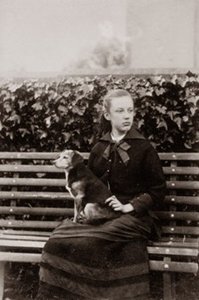
rosalie chichester
1865 - 1949
Quick Facts
- Artistic Movement Or Style: Impressionism
- Date Of Birth: 1865
- Full Name: Rosalie Chichester
- Nationality: British
- Notable Artworks: ['Miss Chichester’s Parrot']
- Place Of Birth: England