

 Preview
 Send
Send Share
Share
 Details

 Download
 Similars
 X-Ray
X-Ray Diaporama
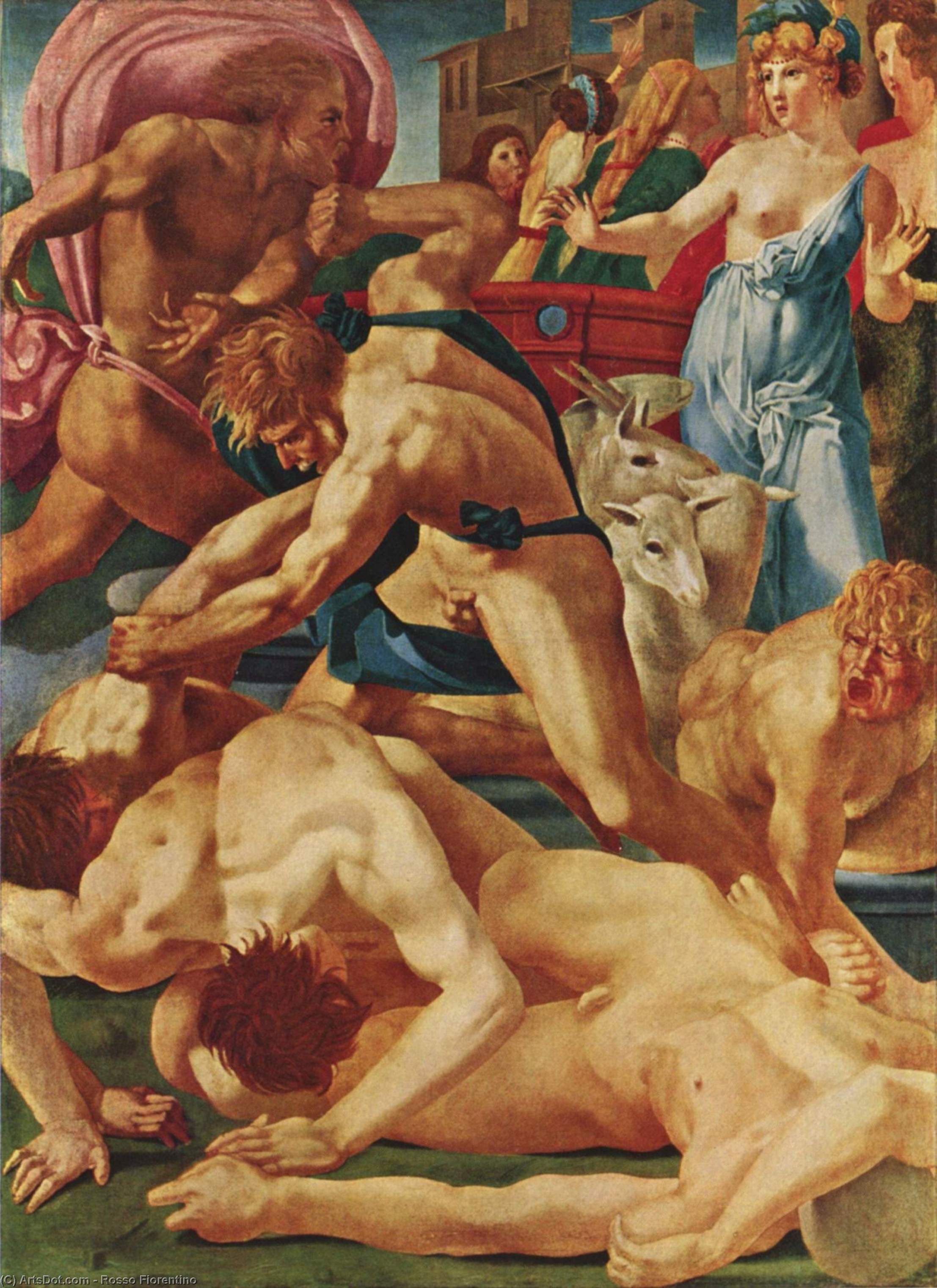
Moses Defending the Daughters of Jethro
 Oil On Canvas
- WallArt
- Italian Mannerism
 1523
1523 160.0 x 117.0 cm
 Galleria degli Uffizi
 Read More
Purchase a high-resolution, enhanced digital image, far superior to the online preview.
Each file is meticulously prepared by our in-house specialists using advanced tools and expert manual retouching. We ensure every image has exceptional clarity, precise color accuracy, and fine detail.
The final file is delivered via email within 72 hours, optimized for immediate use in professional, editorial, and print environments. This is the same quality trusted by top-tier design studios, publishers, and galleries.
Digital Image
Download a high-resolution file for personal display, printing, and creative projects. ( Buy Print Buy Hand Made Painting)
Included in Every Digital Image Order
Expert Digital Delivery, Guaranteed
When you choose ArtsDot.com, you're not just getting an image - you're receiving a professionally enhanced digital artwork, crafted with precision and backed by a satisfaction guarantee. Here's everything that comes with your order, automatically:

Fast Email Delivery
Your high-resolution digital image file will be emailed to you within 72 hours of ordering - ready for immediate use.

AI-Enhanced Digital File
Your artwork is professionally optimized using advanced AI tools and manual editing, ensuring maximum detail, clarity, and color accuracy.

Free Lifetime Re-Delivery
Accidentally deleted or lost your file? No worries - we'll resend it to you anytime, free of charge.

No Import Fees - Ever
Enjoy your artwork instantly with zero customs, duties, or delivery fees - digital downloads are always tax-free.

Color Accuracy Guarantee
We ensure your digital image reflects the original colors as closely as possible using professional tools and color management.

60-Day Satisfaction Guarantee
If you're not satisfied with your digital image, we'll revise it or refund 100% within 60 days - no questions asked.

100% Money-Back Guarantee
Not satisfied? Get a full refund within 60 days of receiving your digital file - no questions asked.

Bulk Order Discounts
Buy 3 images, save 10% - Buy 5, save 15% - Buy 10+, save 20%. Great for creative projects, galleries, and agencies.
Collectible Description
A Tempestuous Triumph of Renaissance Drama: Rosso Fiorentino’s “Moses Defending the Daughters of Jethro”
Giovanni Battista di Jacopo, universally known as Rosso Fiorentino – "The Red Florentine" – wasn't merely a painter; he was an artist who wrestled with the very essence of his time. Born in Florence on March 8th, 1495, his moniker itself hinted at the fervent passion that would permeate not only his palette but also his groundbreaking approach to artistic expression. Rosso Fiorentino stands apart from many of his contemporaries, firmly rooted within the High Renaissance yet simultaneously anticipating the stylistic upheavals of Mannerism – a transitional figure who skillfully blended classical ideals with burgeoning psychological depth. His life’s work—a testament to relentless experimentation and unwavering conviction—continues to fascinate scholars and inspire artists alike. ### The Biblical Narrative Embodied in Paint Rosso Fiorentino's “Moses Defending the Daughters of Jethro” isn’t simply a depiction of a biblical tale; it’s an immersive experience rendered in oil on canvas. Executed around 1523-1524, this monumental artwork portrays a pivotal moment from Exodus – Moses bravely shielding the daughters of Jethro from unwanted advances by men attempting to kidnap them. The scene unfolds against a backdrop of architectural grandeur, subtly reminiscent of Michelangelo’s Sistine Chapel ceiling, suggesting an ambition to elevate the narrative beyond mere storytelling into a profound meditation on heroism and protection. This careful compositional choice underscores the importance of safeguarding innocence and upholding moral righteousness – themes central to Renaissance humanist thought. ### Style and Technique: Echoes of Michelangelo and Leonardo The painting's stylistic lineage is undeniable. Rosso Fiorentino’s hand demonstrates a masterful grasp of techniques honed under Andrea del Sarto, absorbing influences from titans like Michelangelo and Leonardo da Vinci. Like Michelangelo’s frescoes, Rosso employs dramatic chiaroscuro – the interplay of light and shadow – to sculpt form and heighten emotional intensity. The figures are rendered with meticulous detail, capturing subtle nuances of expression and posture that convey palpable anxiety and determination. Furthermore, Rosso's use of color is deliberately muted, favoring earthy tones punctuated by flashes of crimson—a deliberate nod to Michelangelo’s palette—creating a sense of solemn grandeur and reinforcing the painting’s thematic core. ### Symbolism: Beyond the Biblical Storytelling Beyond its immediate narrative depiction lies a rich tapestry of symbolic significance. The architectural setting serves as a visual anchor, grounding the scene in a recognizable space while simultaneously elevating it to a realm of idealized beauty. The figures themselves embody archetypal virtues – Moses represents unwavering courage and divine leadership, while the daughters symbolize vulnerability and purity—values cherished during the Renaissance period. The inclusion of a parked automobile adds an unexpected element, subtly commenting on the intersection between tradition and modernity, prompting contemplation about how timeless narratives adapt to evolving cultural contexts. ### Emotional Resonance: A Portrait of Resolve “Moses Defending the Daughters of Jethro” transcends mere visual representation; it communicates profound emotional resonance. Rosso Fiorentino’s masterful brushstrokes convey a palpable sense of urgency and drama, capturing the psychological turmoil experienced by Moses as he confronts danger. The painting compels viewers to confront questions of morality, responsibility, and the enduring power of compassion—themes that continue to resonate powerfully today. It stands as a testament to Rosso Fiorentino's ability to transform biblical scripture into an unforgettable artistic experience – a triumph of Renaissance drama frozen in time.Related Artworks
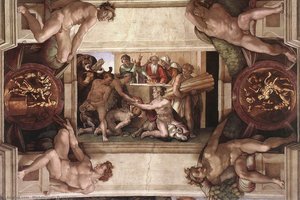
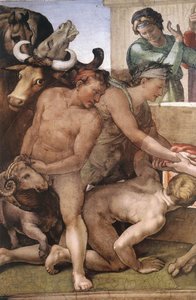
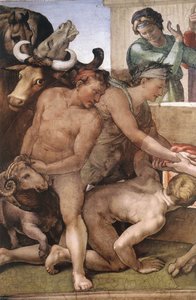
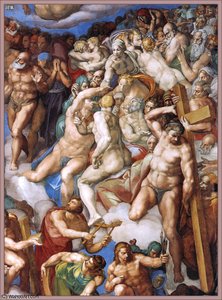

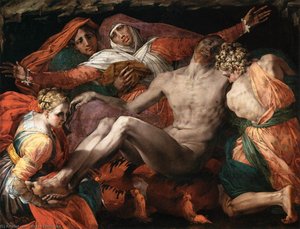
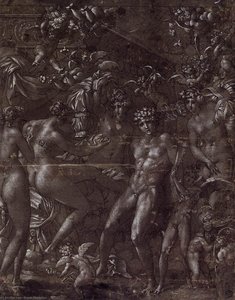
Artist Biography
A Life Painted in Fire: The Dramatic World of Rosso Fiorentino
Giovanni Battista di Jacopo, known to the world as Rosso Fiorentino – “The Red Florentine” – was a name whispered with both admiration and a touch of unease during the Italian Renaissance. Born in Florence on March 8th, 1495, his very nickname alluded to the fiery spirit that would come to define not only his appearance but also his intensely emotional and innovative art. Rosso wasn’t merely a painter; he was a harbinger of change, a pivotal figure bridging the High Renaissance's classical ideals with the burgeoning complexities of Mannerism. His journey, marked by artistic exploration, political upheaval, and ultimately, a premature death in Fontainebleau in 1540, left an indelible mark on the landscape of European art.Formative Years and Florentine Foundations
Rosso’s artistic education began within the esteemed workshop of Andrea del Sarto, one of Florence's leading masters. This environment proved crucial, placing him alongside another rising star, Pontormo. The two artists shared a space for experimentation, fostering a creative rivalry that pushed both to explore beyond conventional boundaries. The influence of the Florentine school was deeply ingrained during these formative years; however, even early works reveal Rosso’s distinct inclination towards dramatic intensity and an expressive use of color – qualities that would set him apart. He absorbed the lessons of perspective and anatomical accuracy but quickly began to imbue his figures with a psychological depth rarely seen in earlier Renaissance art. Early paintings like the *Holy Family with the Infant Saint John the Baptist* demonstrate this emerging style, hinting at the emotional turbulence that would characterize his mature work.The Roman Interlude and the Seeds of Mannerism
In 1523, Rosso ventured to Rome, a city brimming with artistic energy and the monumental achievements of Michelangelo and Raphael. This period proved transformative. He was profoundly impacted by Michelangelo’s powerful figures and dynamic compositions, as well as Raphael's refined grace. However, rather than simply imitating these masters, Rosso synthesized their influences into something uniquely his own. The Sack of Rome in 1527 brought chaos and destruction, forcing Rosso to flee the city and marking a turning point in his career. This traumatic event seems to have intensified the emotional undercurrents within his art, pushing him further away from the High Renaissance’s emphasis on harmony and towards the more unsettling aesthetic of Mannerism.French Patronage and Lasting Legacy
Rosso's journey eventually led him to France in 1530, where he entered the service of King Francis I. This marked a new chapter, as he became a key figure in the decoration of the Château de Fontainebleau, alongside other prominent artists. Here, he was given considerable freedom to experiment and develop his style further. The *Gallery of Francis I* at Fontainebleau stands as a testament to his skill, showcasing allegorical scenes filled with elongated figures, vibrant colors, and complex symbolism. He also created works like *Elephant*, demonstrating an ability to capture the essence of his subjects with remarkable detail. Sadly, Rosso’s time in France was cut short by illness; he died in 1540 at the age of forty-five. Despite his relatively brief career, Rosso Fiorentino's influence resonated throughout Europe. His style profoundly impacted artists like Francesco Primaticcio, who succeeded him at Fontainebleau, and helped to solidify Mannerism as a dominant force in art for decades to come. His paintings, now found in museums worldwide – including the Galleria Nazionale d'Arte Moderna e Contemporanea in Rome, the Pinacoteca Comunale in Volterra, and the Duomo in Città di Castello – continue to captivate viewers with their dramatic power and emotional depth, ensuring that the “Red Florentine” remains a vital and compelling figure in art history.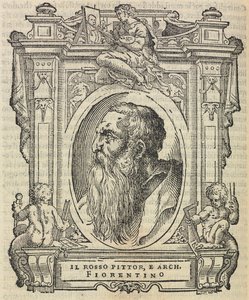
Rosso Fiorentino
1495 - 1540 , Italy
Quick Facts
- Artistic Movement Or Style: Mannerism
- Artists Or Movements Influenced By This Artist: ['Francesco Primaticcio']
- Artists Who Influenced This Artist:
- Michelangelo
- Raphael
- Date Of Birth: March 8, 1495
- Date Of Death: November 14, 1540
- Full Name: Giovanni Battista di Jacopo
- Nationality: Italian
- Notable Artworks:
- The Deposition
- Elephant
- Moses and Jethro's Daughters
- Place Of Birth: Florence, Italy

