

 Preview
 Send
Send Share
Share
 Details

 Download
 Similars
 X-Ray
X-Ray Diaporama
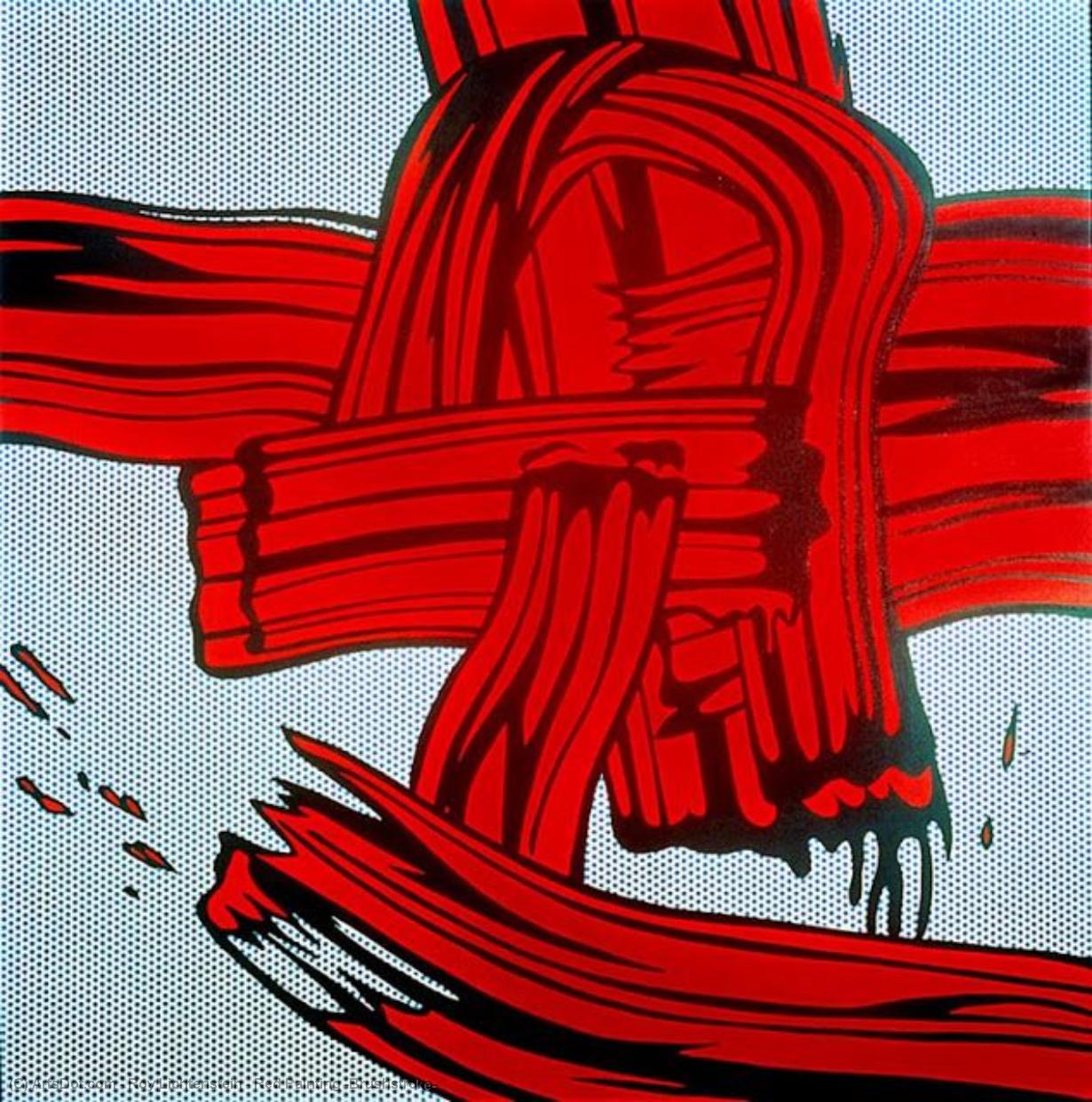
Red Painting (Brushstroke)


 Read More
Purchase a high-resolution, enhanced digital image, far superior to the online preview.
Each file is meticulously prepared by our in-house specialists using advanced tools and expert manual retouching. We ensure every image has exceptional clarity, precise color accuracy, and fine detail.
The final file is delivered via email within 72 hours, optimized for immediate use in professional, editorial, and print environments. This is the same quality trusted by top-tier design studios, publishers, and galleries.
Digital Image
Download a high-resolution file for personal display, printing, and creative projects. ( Buy Print Buy Hand Made Painting)
Included in Every Digital Image Order
Expert Digital Delivery, Guaranteed
When you choose ArtsDot.com, you're not just getting an image - you're receiving a professionally enhanced digital artwork, crafted with precision and backed by a satisfaction guarantee. Here's everything that comes with your order, automatically:

Fast Email Delivery
Your high-resolution digital image file will be emailed to you within 72 hours of ordering - ready for immediate use.

AI-Enhanced Digital File
Your artwork is professionally optimized using advanced AI tools and manual editing, ensuring maximum detail, clarity, and color accuracy.

Free Lifetime Re-Delivery
Accidentally deleted or lost your file? No worries - we'll resend it to you anytime, free of charge.

No Import Fees - Ever
Enjoy your artwork instantly with zero customs, duties, or delivery fees - digital downloads are always tax-free.

Color Accuracy Guarantee
We ensure your digital image reflects the original colors as closely as possible using professional tools and color management.

60-Day Satisfaction Guarantee
If you're not satisfied with your digital image, we'll revise it or refund 100% within 60 days - no questions asked.

100% Money-Back Guarantee
Not satisfied? Get a full refund within 60 days of receiving your digital file - no questions asked.

Bulk Order Discounts
Buy 3 images, save 10% - Buy 5, save 15% - Buy 10+, save 20%. Great for creative projects, galleries, and agencies.
Collectible Description
A Deceptive Simplicity: Unveiling Roy Lichtenstein’s ‘Red Painting (Brushstroke)’
Roy Lichtenstein's ‘Red Painting (Brushstroke)’ from 1965 is, at first glance, an exercise in bold chromatic reduction. A vibrant field of red dominates the canvas, not as a solid block but fractured into dynamic stripes that coalesce into the suggestion of a cross – or perhaps more accurately, the *idea* of a brushstroke itself. This isn’t a painting about what is depicted, but rather about the very act of depiction, and how we perceive artistic gesture. It's a deceptively simple composition that belies a profound engagement with the history of abstract expressionism and the burgeoning Pop Art movement. Lichtenstein doesn’t offer us a scene or a narrative; he presents us with the *memory* of painting, filtered through the lens of mass production and popular culture. The surrounding hues – flashes of white, black, and orange – aren't merely decorative accents but serve to further dissect and analyze the central form, creating a visual tension that holds the viewer’s gaze.The Echoes of Abstract Expressionism & Pop Art’s Rebellion
To understand ‘Red Painting (Brushstroke)’ fully, one must consider its historical context. The mid-1960s were a period of significant upheaval in the art world. Abstract Expressionism, with its emphasis on spontaneous gesture and emotional intensity, had reigned supreme for over a decade. Artists like Jackson Pollock and Willem de Kooning championed the subjective experience, imbuing their canvases with personal meaning through energetic brushwork. Lichtenstein, however, along with contemporaries such as Andy Warhol, sought to dismantle this reverence for artistic individualism. He wasn’t interested in expressing his inner turmoil on canvas; he was fascinated by the visual language of everyday life – advertising, comic books, and, crucially, the very symbols of Abstract Expressionism itself. ‘Red Painting (Brushstroke)’ can be seen as a playful yet critical appropriation of abstract expressionist techniques. Lichtenstein doesn’t *emulate* the emotional intensity of Pollock; he *reproduces* the visual effect of a brushstroke, stripping it of its original context and presenting it as a graphic element.Technique as Commentary: Ben-Day Dots & Mechanical Precision
Lichtenstein's technique is integral to the artwork’s meaning. He didn’t achieve the appearance of brushstrokes through traditional painting methods. Instead, he employed silkscreen printing – a process borrowed from commercial art – and his signature Ben-Day dots. These small, evenly spaced dots create the illusion of tone and texture, mimicking the look of mass-produced images. This mechanical precision is deliberate; it underscores Lichtenstein’s rejection of artistic spontaneity and his embrace of industrial processes. The flatness of the image further reinforces this effect, eliminating any sense of depth or three-dimensionality. By removing the artist's hand from the equation – or rather, by *simulating* its presence through mechanical means – Lichtenstein challenges our assumptions about originality and authorship. The painting becomes a commentary on the very nature of representation.Emotional Resonance & Interior Dialogue
Despite its conceptual rigor, ‘Red Painting (Brushstroke)’ isn’t devoid of emotional impact. The bold color palette evokes a sense of energy and dynamism, while the fragmented composition creates a feeling of visual tension. The artwork invites contemplation on themes of perception, representation, and the role of art in contemporary society. For an interior space, this piece offers a striking focal point – its graphic simplicity lends itself well to modern or minimalist settings. The vibrant red will inject energy into a room, while the underlying intellectual complexity provides a conversation starter for guests. It’s a work that rewards repeated viewing, revealing new layers of meaning with each encounter. It's not merely decoration; it is an invitation to engage in a dialogue about art itself.Related Artworks

Artist Biography
The Genesis of a Pop Visionary
Roy Fox Lichtenstein, born in the vibrant metropolis of New York City on October 27, 1923, indelibly altered the landscape of twentieth-century art. Emerging as a pivotal figure within the Pop Art movement, Lichtenstein didn’t simply reflect his era; he actively interrogated it, transforming commonplace imagery into compelling artistic statements. His upbringing in an upper-middle-class Jewish family fostered both a cultural awareness and an early artistic inclination. Childhood exposure to museums and concerts, coupled with a deep appreciation for jazz music, laid the groundwork for a creative spirit that would challenge conventional notions of fine art. Though initially drawn to realistic drawing and painting during his formative years, Lichtenstein’s formal training commenced at the Art Students League in 1939 under Reginald Marsh, followed by studies at Ohio State University – interrupted briefly by wartime service in the Army. These experiences provided a robust technical foundation that would later be brilliantly re-contextualized through the lens of mass culture and commercial aesthetics. The seeds of his signature style weren’t sown within the hallowed halls of artistic tradition but rather in the often-overlooked world of everyday imagery, particularly comic books and advertising.From Abstraction to Appropriation: A Pivotal Shift
Lichtenstein's early work demonstrated a clear engagement with Abstract Expressionism, mirroring the dominant aesthetic trends of the post-war period. However, this phase proved transitional, a stepping stone towards his revolutionary style. A crucial moment arrived during his tenure at Rutgers University where he encountered Allan Kaprow, whose influence reignited Lichtenstein’s interest in proto-pop imagery. This encounter sparked a critical shift in his artistic trajectory, leading him to question the established boundaries between “high” and “low” art. He began looking beyond the subjective expression of Abstract Expressionism towards the objective language of popular culture – specifically, comic books and advertising. The year 1961 marked a turning point with *Look Mickey*, a work that boldly appropriated characters from Disney comics, signaling the beginning of his signature style. This wasn’t mere imitation; it was an act of artistic re-evaluation, elevating commonplace imagery to the status of fine art. He didn't simply copy comic strips; he meticulously recreated them using techniques mimicking commercial printing processes, a deliberate blurring of the lines between original artwork and mass production. This appropriation wasn’t about celebrating consumerism uncritically but rather examining its pervasive influence on American society and challenging traditional artistic hierarchies.The Language of Ben-Day Dots and Bold Lines
Lichtenstein's artistic vocabulary is instantly recognizable: bold, primary colors, thick black outlines, and most famously, Ben-Day dots – a technique borrowed directly from the mechanical reproduction of comic books. These dots weren’t merely decorative; they were integral to his conceptual framework, representing the very process of mass production and challenging the traditional emphasis on the artist's hand. His paintings often enlarged details from comic strips to monumental scale, forcing viewers to confront the aesthetic qualities of an art form typically dismissed as trivial. Works like *Whaam!* (1963), *Drowning Girl* (1963), and *Oh, Jeff…I Love You, Too…But…* (1964) became iconic representations of Pop Art, capturing the anxieties and desires of a rapidly changing consumer culture. These weren’t simply depictions of comic book scenes; they were commentaries on themes of war, romance, and societal expectations, filtered through the visual language of mass media. He aimed to strip away any pretense of artistic subjectivity, presenting his work as objective reflections of American society – a mirror held up to its own manufactured reality. The deliberate flatness and lack of painterly gesture further emphasized this detachment, mimicking the impersonal nature of commercial printing.Legacy and Lasting Impact
Roy Lichtenstein’s influence extends far beyond the realm of painting. His innovative use of commercial techniques and appropriation paved the way for new generations of artists exploring themes of consumerism, media saturation, and cultural identity. The sale of *Masterpiece* in 2017 for $165 million solidified his position as one of the most commercially successful American artists of all time, but his legacy is not solely defined by monetary value. He challenged traditional notions of artistic authorship and originality, forcing a re-evaluation of what constitutes “art” itself. His work continues to inspire graphic designers, illustrators, and visual artists across various disciplines.- Major Achievements: Pioneered Pop Art style; achieved international recognition with groundbreaking exhibitions.
- Notable Works: *Whaam!*, *Drowning Girl*, *Oh, Jeff…I Love You, Too…But…*, *Masterpiece*.
- Teaching Career: Influenced aspiring artists at SUNY Oswego and Rutgers University.

Roy Lichtenstein
1923 - 1997 , United States of America
Quick Facts
- Artistic Movement Or Style: Pop Art
- Artists Or Movements Influenced By This Artist:
- Graphic designers
- Illustrators
- Artists Who Influenced This Artist:
- Reginald Marsh
- Allan Kaprow
- Date Of Birth: October 27, 1923
- Date Of Death: September 29, 1997
- Full Name: Roy Fox Lichtenstein
- Nationality: American
- Notable Artworks:
- Whaam!
- Drowning Girl
- Masterpiece
- Oh, Jeff...
- Place Of Birth: New York City, USA

