Artist Biography
A Legacy Etched in Porcelain: The Royal Copenhagen Story
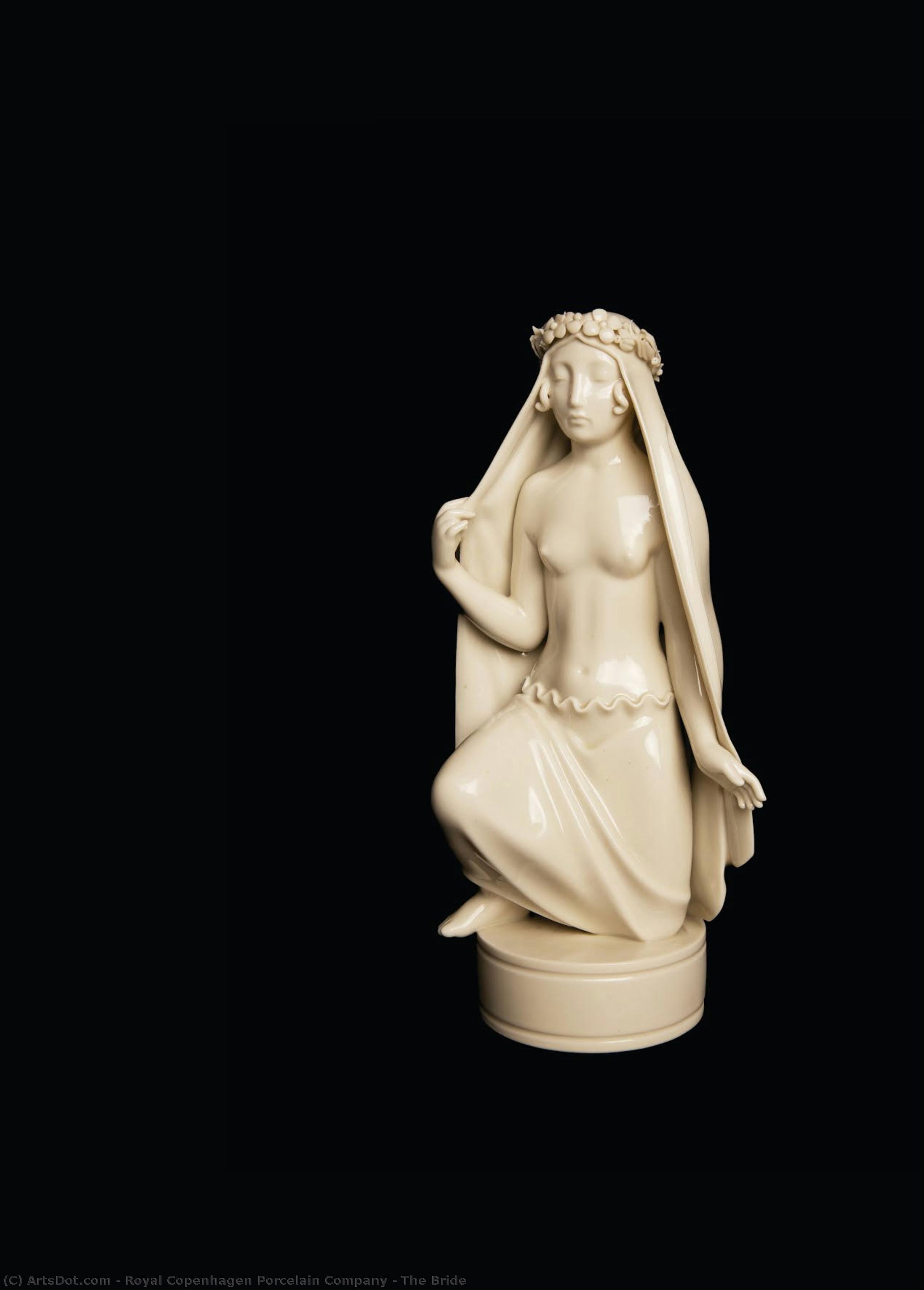
The story of the Royal Copenhagen Porcelain Company is more than just a tale of exquisite craftsmanship; it’s a reflection of Denmark's cultural identity, its embrace of artistry, and its enduring pursuit of beauty. Founded in 1775 under the patronage of Queen Caroline Amalie, the company emerged from a desire to rival the renowned porcelain manufacturers of Europe – particularly those in France and Germany. Initially known as the Royal Porcelain Factory, it was established with the explicit goal of producing wares that could compete on an international stage, freeing Denmark from its reliance on imported luxury goods. The early years were marked by experimentation, drawing heavily on Rococo styles prevalent at the time, but quickly evolving to incorporate uniquely Danish motifs and sensibilities. This ambition wasn’t merely about economic independence; it was a statement of national pride, a declaration that Danish artistry could stand shoulder-to-shoulder with the best in the world. The very existence of the factory was intertwined with the monarchy, receiving crucial support and direction from the royal court, which shaped its initial aesthetic and ensured its continued success.
From Rococo Flourishes to Blue Fluted Elegance
The first decades saw a period of intensive learning and adaptation. Master craftsmen were brought in from abroad, sharing their expertise while simultaneously absorbing Danish artistic traditions. The early porcelain pieces reflected the prevailing tastes – delicate floral patterns, gilded accents, and intricate scenes inspired by mythology and aristocratic life. However, it was the development of the iconic *Blue Fluted* pattern in 1779 that truly cemented Royal Copenhagen’s place in history. Inspired by Chinese porcelain imported by the Danish East India Company, this design, initially created by painter Johann Christian Fiedler, became a symbol of refined elegance and understated luxury. The cobalt blue underglaze painting, depicting stylized floral motifs, resonated deeply with both domestic and international audiences. This wasn’t simply imitation; it was an interpretation, a distillation of Eastern aesthetics through a distinctly Danish lens. The Blue Fluted pattern quickly evolved into various forms – coffee cups, dinner services, vases – becoming the cornerstone of the company's production and establishing a visual identity that continues to define Royal Copenhagen today. The success of this design allowed for further exploration of other patterns and techniques, including *Full Lace*, known for its incredibly detailed floral relief work, and *Flora Danica*, a meticulously painted depiction of Danish flora commissioned by the court.
The Golden Age and Beyond: Artistic Innovation
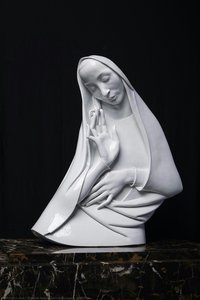
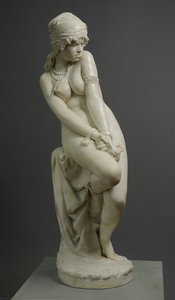
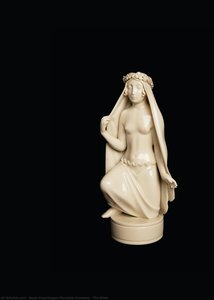
The 19th century witnessed Royal Copenhagen entering what many consider its “Golden Age.” A renewed focus on artistic innovation led to collaborations with prominent Danish artists, including Johan Ludwig Jensen, whose sculptural work in porcelain gained international acclaim. The company expanded beyond tableware into decorative objects, figurines, and even architectural elements, showcasing the versatility of the medium. This period also saw a growing emphasis on realism and naturalism in their designs, reflecting broader artistic trends across Europe. The influence of historicism was also apparent, with reinterpretations of classical forms and motifs finding their way into Royal Copenhagen’s repertoire. The factory wasn't merely responding to market demands; it was actively shaping them, setting new standards for porcelain artistry. Throughout this era, the company maintained a close relationship with Danish society, producing commemorative pieces celebrating significant events and honoring prominent figures. This fostered a sense of national ownership and pride in the brand.
Modern Adaptations and Enduring Appeal
The 20th and 21st centuries have presented new challenges and opportunities for Royal Copenhagen. While remaining true to its heritage, the company has embraced contemporary design, collaborating with modern artists and designers to create innovative collections that appeal to a wider audience. Notable collaborations include those with Bjørn Wiinblad, whose whimsical and playful designs brought a fresh perspective to traditional porcelain forms. The introduction of more accessible price points and a broader range of product categories have also helped to maintain the company’s relevance in an increasingly competitive market. Despite these adaptations, the core values of craftsmanship, quality, and artistic integrity remain paramount. The *Blue Fluted* pattern continues to be produced, alongside other classic designs, serving as a tangible link to the company's rich history. Today, Royal Copenhagen is not just a manufacturer of porcelain; it’s a cultural institution, a symbol of Danish design excellence, and a testament to the enduring power of artistry. Its pieces are treasured around the world, representing not only beauty and elegance but also a legacy etched in porcelain – a story of national pride, artistic innovation, and unwavering commitment to quality.


 Preview
 Send
Send Share
Share
 Details

 Download
 Similars
 X-Ray
X-Ray Diaporama

 Read More
 Buy Print





































 Glass option is only available in size under 110 CM