 Preview
 Send
Send Share
Share
 Details

 Download
 Similars
 X-Ray
X-Ray Diaporama
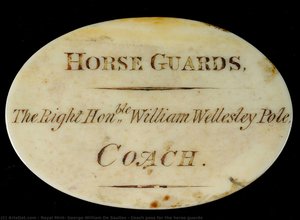
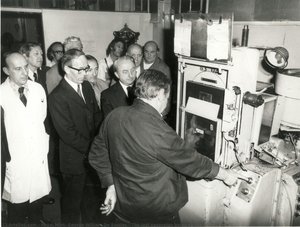
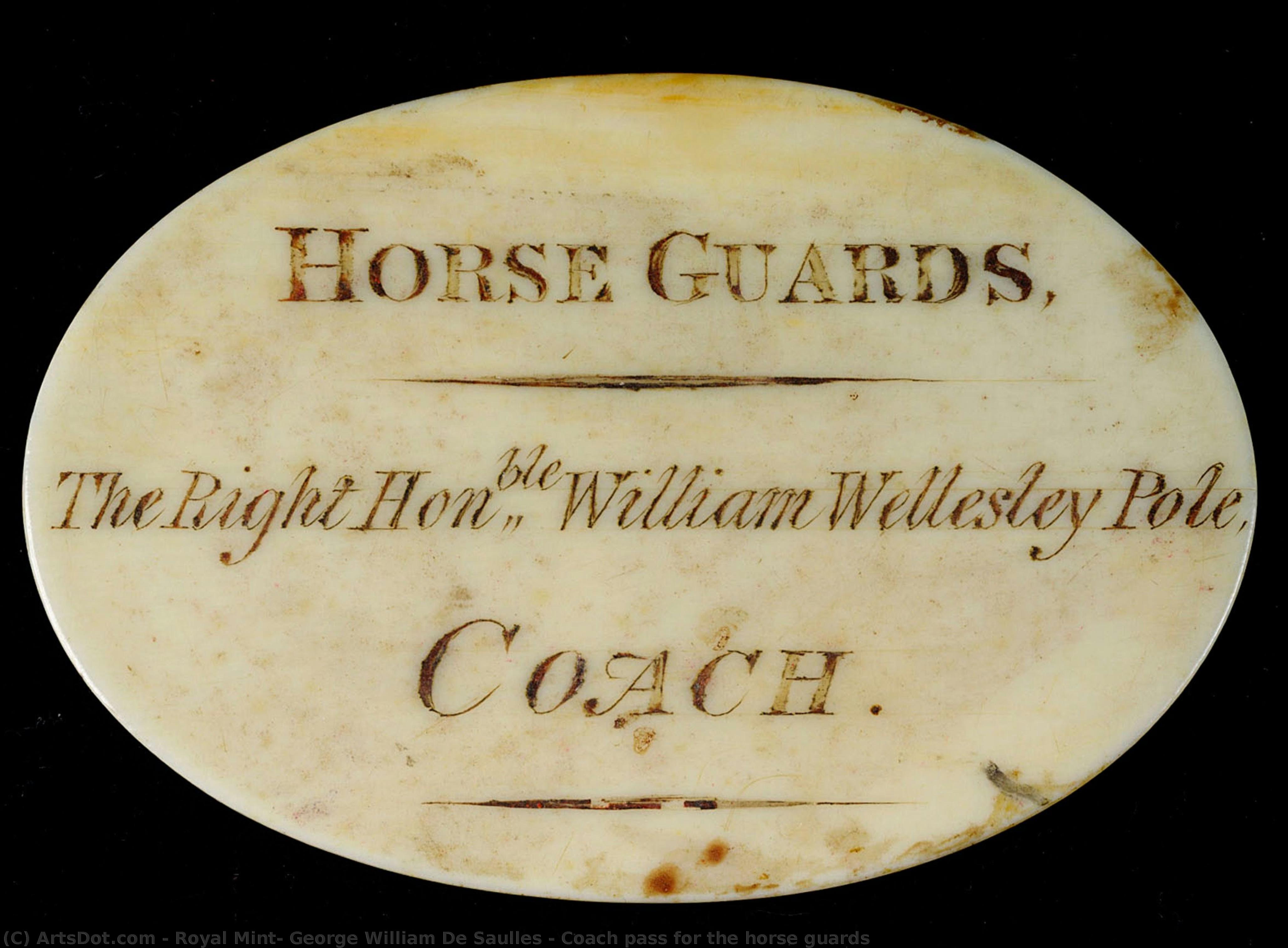
Coach pass for the horse guards


 Read More
Hand Made Oil Reproduction
Hand-painted oil on canvas in your size and frame, made to order by our artists. ( Buy Print Buy Image)




































Pick from our preset sizes that match the artwork's original proportions.

You may enter your own dimensions to fit a specific frame or space. If your selected size does not match the original image's proportions, we will either crop the artwork or extend the painting with additional hand-painted elements. A digital mockup will be sent for your approval before production begins.
Please note that the on-screen preview does not reflect the actual cropping or extension. Only the mockup will accurately show the final composition.
While custom sizes are available, we recommend selecting a dimension from the predefined list to preserve the original proportions.
After order, ArtsDot.com team will email client for instructions and provide a mockup preview
Worldwide Delivery () in 3/4 weeks instead of standard 5 weeks. (23 August). No compromise on quality.

Free Worldwide Express Shipping

High-Quality Linen Canvas

Full Shipping Insurance

Customs Tax Refund Guarantee

True Color Matching Guarantee

60-Day Return Policy (Defects Only)

100% Money-Back Guarantee

Bulk Discount Offer
 Glass option is only available in size under 110 CM

Coach pass for the horse guards
Reproduction Medium
Reproduction Size
-


Total Price
$ 263
Related Artworks









Artist Biography
The Master of the Mint: The Life and Legacy of George William De Saulles
In the grand tapestry of Victorian artistry, where the industrial might of Britain met a profound reverence for classical elegance, few figures captured the era's spirit as intimately as George William De Saullerb. Born in the industrious heart of Birmingham in 1862, De Saulles was destined to shape the very currency of an empire. His journey from a student at the Birmingham School of Art to the prestigious position of Chief Engraver at the Royal Mint is a narrative of immense technical skill meeting royal patronage. The son of a glass merchant, he carried within him a lineage that touched the halls of power; his grandfather had served as a Page of the Presence for monarchs such as George IV and William IV, providing a subtle, ancestral connection to the majesty he would eventually immortalize in metal.
De Saulles’s artistic evolution was rooted in the rigorous disciplines of sculpture, etching, and engraving. His early training under masters like Edward R. Taylor instilled in him a precision that transcended mere craftsmanship, elevating his work to the realm of fine art. Before ascending to the heights of London's numismatic circles, he underwent a formative apprenticeship with a local die-sinker, learning the delicate alchemy of carving intricate patterns into steel. This period of tactile learning was crucial; it allowed him to master the subtle nuances of relief and shadow that would later define his most iconic works. By the time he moved to London to work for the renowned medallist John H. Pinches, De Saultes had already begun to develop a signature style characterized by a profound sense of dignity and anatomical accuracy.
A Golden Era of Imperial Iconography
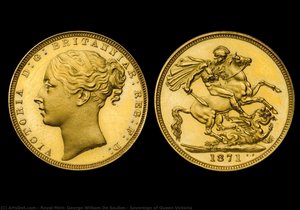
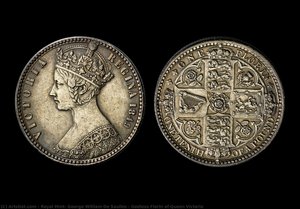
The appointment of De Saulles as Chief Engraver in 1892 marked a transformative period for British coinage. Succeeding the legendary Leonard Charles Wyon, De Saulles inherited a responsibility that was both artistic and political: to create visual symbols that would command respect across the vast reaches of the United Kingdom and its colonies. His work during the reigns of Queen Victoria and King Edward VII became the face of British sovereignty. He possessed a rare ability to translate the ephemeral grace of a royal portrait into the enduring permanence of gold and silver. One cannot contemplate his legacy without reflecting on the “Veiled Head Penny,” a design that remains a pinnacle of Victorian aesthetic, where the delicate textures of fabric and floral ornamentation seem almost soft to the touch despite being struck in metal.
His mastery extended far beyond simple portraiture, as he breathed life into legendary scenes and complex allegories. His contributions to the numismatic world include:
- The Edward VII Portrait: A regal and commanding obverse that defined the coinage of a new century.
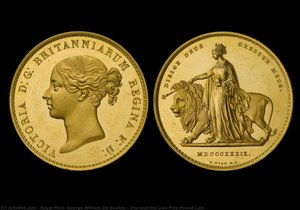
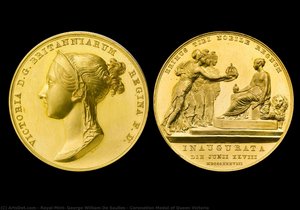
- Una and the Lion: Exquisite gold coins that captured the grandeur of 1839 British minting artistry through legendary storytelling.
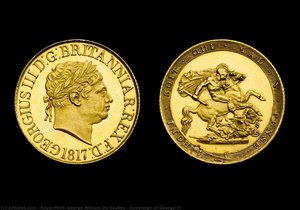
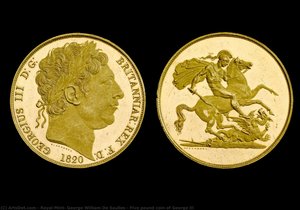
- Neoclassical Masterpieces: Designs such as the five pound coin of George III, which utilized battle scenes and royal portraits to evoke a sense of historical continuity.
- Colonial Influence: The dissemination of British identity through meticulously engraved dies used in various colonial currencies, ensuring his artistic touch was felt globally.
The Enduring Impression of a Sculptor’s Hand
Though his life was tragically short, ending in 1903 at the age of forty-one, the impact of George William De Saulles remains etched in the history of art and commerce. He did not merely produce coins; he sculpted the visual identity of an era. His ability to sign his work with subtle marks like "DES" or "DS"* speaks to a craftsman who was deeply integrated into the fabric of the Royal Mint, yet possessed a distinct artistic voice. His work bridged the gap between the industrial precision required by the mint and the romanticism of the Arts and Crafts movement that flourished during his youth.
Today, collectors and historians look upon his engravings not just as artifacts of economic history, but as miniature masterpieces of sculpture. Every line he carved into a die was an act of preservation, capturing the fleeting majesty of the Victorian and Edwardian ages for eternity. In the quiet luster of a gold guinea or the sharp detail of a silver farthing, the spirit of De Saulles lives on—a testament to a man who turned the cold medium of metal into a profound expression of national pride and artistic excellence.
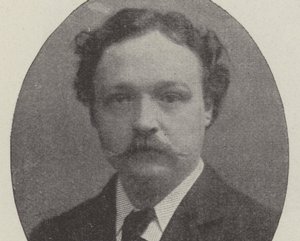
royal mint, george william de saulles
1862 - 1903 , United Kingdom
Quick Facts
- Artistic Movement Or Style: Medallists
- Date Of Birth: February 4, 1862
- Date Of Death: July 21, 1903
- Full Name: George William De Saulles
- Nationality: British
- Notable Artworks:
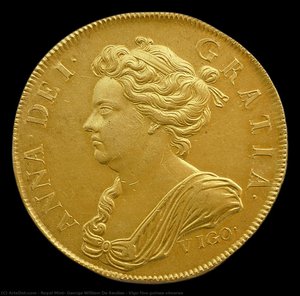
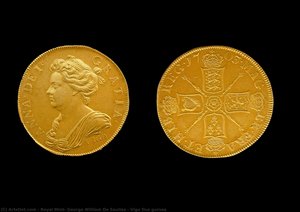
- Vigo five guinea obverse
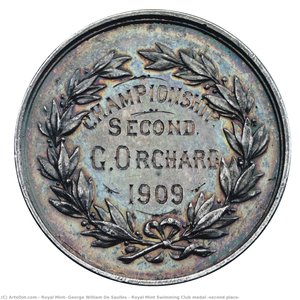
- Royal Mint Swimming Club medal
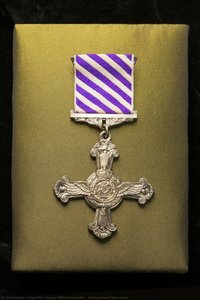
- Distinguished Flying Cross
- Place Of Birth: Birmingham, United Kingdom