

 Preview
 Send
Send Share
Share
 Details

 Download
 Similars
 X-Ray
X-Ray Diaporama
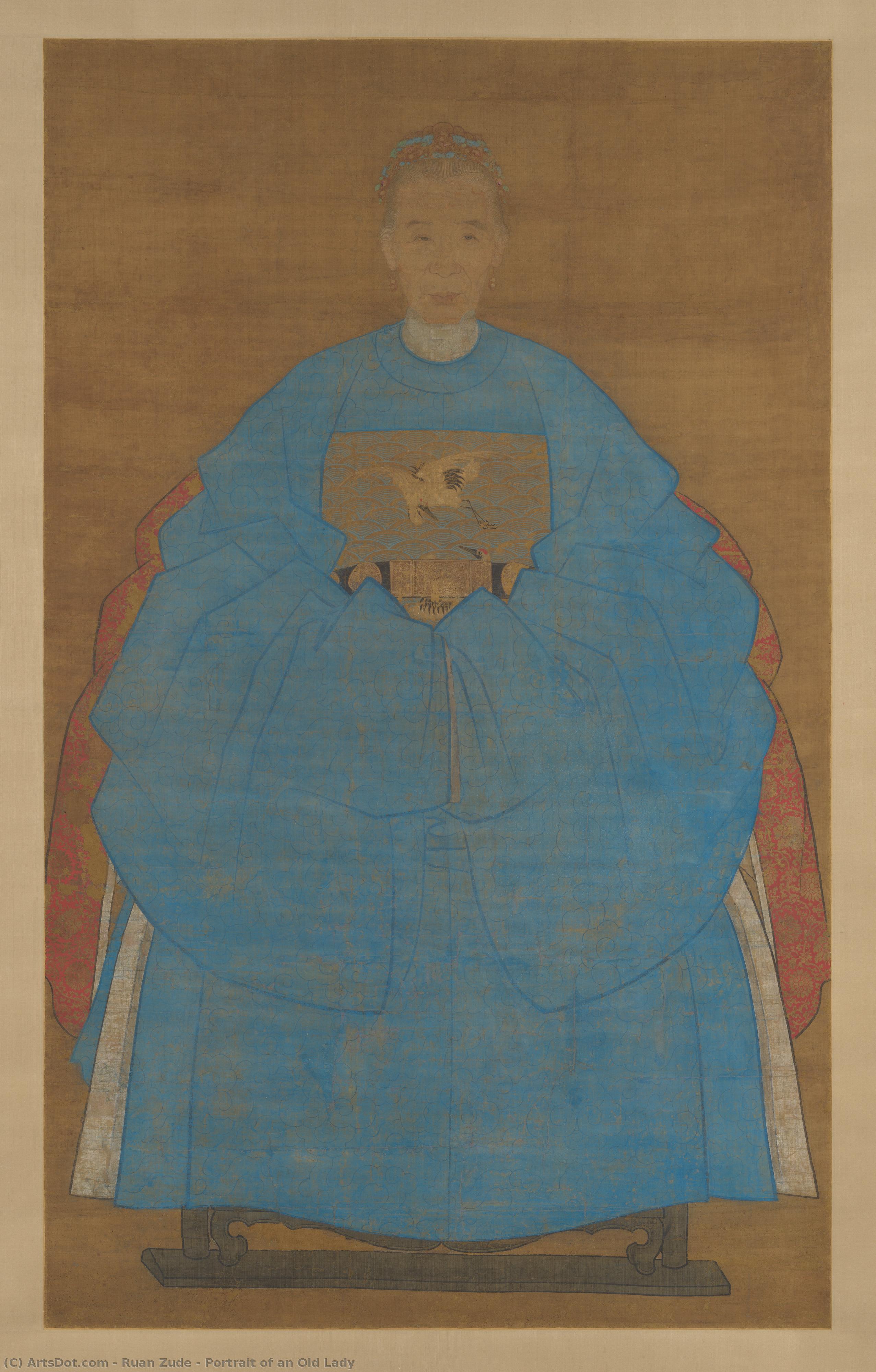
Portrait of an Old Lady
 1621
1621 157.0 x 96.0 cm
 Read More
Purchase a high-resolution, enhanced digital image, far superior to the online preview.
Each file is meticulously prepared by our in-house specialists using advanced tools and expert manual retouching. We ensure every image has exceptional clarity, precise color accuracy, and fine detail.
The final file is delivered via email within 72 hours, optimized for immediate use in professional, editorial, and print environments. This is the same quality trusted by top-tier design studios, publishers, and galleries.
Digital Image
Download a high-resolution file for personal display, printing, and creative projects. ( Buy Print Buy Hand Made Painting)
Included in Every Digital Image Order
Expert Digital Delivery, Guaranteed
When you choose ArtsDot.com, you're not just getting an image - you're receiving a professionally enhanced digital artwork, crafted with precision and backed by a satisfaction guarantee. Here's everything that comes with your order, automatically:

Fast Email Delivery
Your high-resolution digital image file will be emailed to you within 72 hours of ordering - ready for immediate use.

AI-Enhanced Digital File
Your artwork is professionally optimized using advanced AI tools and manual editing, ensuring maximum detail, clarity, and color accuracy.

Free Lifetime Re-Delivery
Accidentally deleted or lost your file? No worries - we'll resend it to you anytime, free of charge.

No Import Fees - Ever
Enjoy your artwork instantly with zero customs, duties, or delivery fees - digital downloads are always tax-free.

Color Accuracy Guarantee
We ensure your digital image reflects the original colors as closely as possible using professional tools and color management.

60-Day Satisfaction Guarantee
If you're not satisfied with your digital image, we'll revise it or refund 100% within 60 days - no questions asked.

100% Money-Back Guarantee
Not satisfied? Get a full refund within 60 days of receiving your digital file - no questions asked.

Bulk Order Discounts
Buy 3 images, save 10% - Buy 5, save 15% - Buy 10+, save 20%. Great for creative projects, galleries, and agencies.
Collectible Description
Related Artworks









Artist Biography
Max Ernst: A Pioneer of Surrealism and Dada
Max Ernst (born April 2, 1891, in Bruhl near Cologne, Germany – died April 1, 1976) stands as a pivotal figure in the 20th-century art world, inextricably linked to the revolutionary movements of Dada and Surrealism. His career spanned over six decades, marked by an astonishing versatility across painting, sculpture, graphic arts, and poetry. Initially influenced by Expressionist landscapes and the formal innovations of early modernists like Picasso and Van Gogh, Ernst ultimately forged his own unique artistic language—one characterized by dreamlike imagery, inventive techniques, and a profound exploration of the subconscious mind. His journey was shaped by significant personal experiences, including service in World War I, which profoundly impacted his worldview and artistic direction. Early life and formative influences were deeply rooted in his family’s traditions. Born into a middle-class Catholic family, Ernst's father, Philipp, a teacher and amateur painter, instilled in him both a love for art and a rebellious spirit—a tension that would become a recurring theme in Ernst’s work. His early artistic explorations began with sketches in the gardens of Bruhl castle, capturing nature with an observant eye. A pivotal moment arrived in 1912 when he encountered the Sonderbund exhibition in Cologne, where he was exposed to the radical ideas of Picasso and other Post-Impressionist masters. This encounter ignited a desire to break free from traditional artistic conventions and embrace experimentation. His enrollment at the University of Bonn, studying philosophy, art history, literature, psychology, and psychiatry, provided him with intellectual tools that would later inform his surrealist explorations. The war years were particularly formative, marked by disillusionment and a sense of displacement—experiences he channeled into intensely expressive works. The period between 1918 and the early 1920s witnessed Ernst’s crucial involvement in the Dada movement in Cologne. Alongside Johannes Theodor Baargeld, he co-founded Dada groups that challenged bourgeois values and embraced absurdity as a means of social critique. This period saw the creation of provocative collages—a technique he would master—often incorporating found objects and photomontage elements. His collaboration with Paul Klee, Hans Arp, and André Breton during this time further solidified his position within the burgeoning Surrealist movement. The influence of Giorgio de Chirico’s enigmatic paintings, particularly their use of perspective and unsettling juxtapositions, proved transformative, leading Ernst to develop a distinctive visual vocabulary centered on illogical spaces and haunting figures. His marriage to Luise Straus in 1921 brought him a partner who supported his artistic endeavors, while the birth of his son, Ulrich “Jimmy” Ernst, added another layer to his life and creative process.Techniques and Artistic Innovations
Ernst’s artistic practice was characterized by an extraordinary range of techniques, reflecting his restless experimentation and desire to push the boundaries of traditional art forms. Collage remained a central element throughout his career, evolving from the initial Dada collages into more complex and layered compositions incorporating painted elements, text, and found objects. He developed innovative printing methods, including frottage (rubbing), grattage (scraping), and decalcomania—techniques that created unpredictable textures and patterns, often resembling organic forms or dreamscapes. Ernst’s use of color was equally distinctive, employing bold contrasts and vibrant hues to evoke emotional intensity and create a sense of disorientation. His exploration of automatism – creating art without conscious control – became a key method for accessing the subconscious mind, as explored in his “frottage” works. He also experimented with sculpture, often incorporating found objects into three-dimensional forms that challenged conventional notions of beauty and representation.Surrealist Themes and Symbolism
Ernst’s work is deeply imbued with the themes and concerns of Surrealism—the exploration of dreams, the unconscious mind, and the irrationality of human experience. His paintings frequently depict fragmented figures, distorted landscapes, and unsettling juxtapositions that evoke a sense of anxiety, mystery, and erotic tension. Recurring motifs include skulls, eyes, serpents, and other symbols associated with death, transformation, and sexuality. His imagery often draws upon mythology, folklore, and personal memories, creating a rich tapestry of associations that invite multiple interpretations. Ernst’s exploration of the female form—often depicted as enigmatic and alluring—is particularly noteworthy, reflecting his fascination with the power of the feminine unconscious.Legacy and Influence
Max Ernst's impact on 20th-century art is undeniable. He served as a crucial bridge between Dada and Surrealism, shaping the development of both movements and inspiring generations of artists. His innovative techniques—frottage, grattage, and decalcomania—became widely adopted by other artists, while his exploration of automatism influenced abstract expressionists like Jackson Pollock. Ernst’s work continues to resonate with contemporary audiences, offering a powerful meditation on the complexities of human consciousness and the transformative potential of art. His legacy extends beyond the realm of painting, influencing fields such as graphic design, film, and photography. He remains a vital figure in the canon of modern art, celebrated for his originality, inventiveness, and profound artistic vision.
ruan zude
1976 - , China
Quick Facts
- Artistic Movement Or Style: Dada, Surrealism
- Artists Or Movements Influenced By This Artist:
- Klee
- Eluard
- Artists Who Influenced This Artist:
- Picasso
- Van Gogh
- Gauguin
- Date Of Birth: 1891-02-04
- Date Of Death: 1976-04-01
- Full Name: Max Ernst
- Nationality: German
- Notable Artworks:
- Celebes
- Oedipus Rex
- Place Of Birth: Bruhl, Germany

