

 Preview
 Send
Send Share
Share
 Details

 Download
 Similars
 X-Ray
X-Ray Diaporama
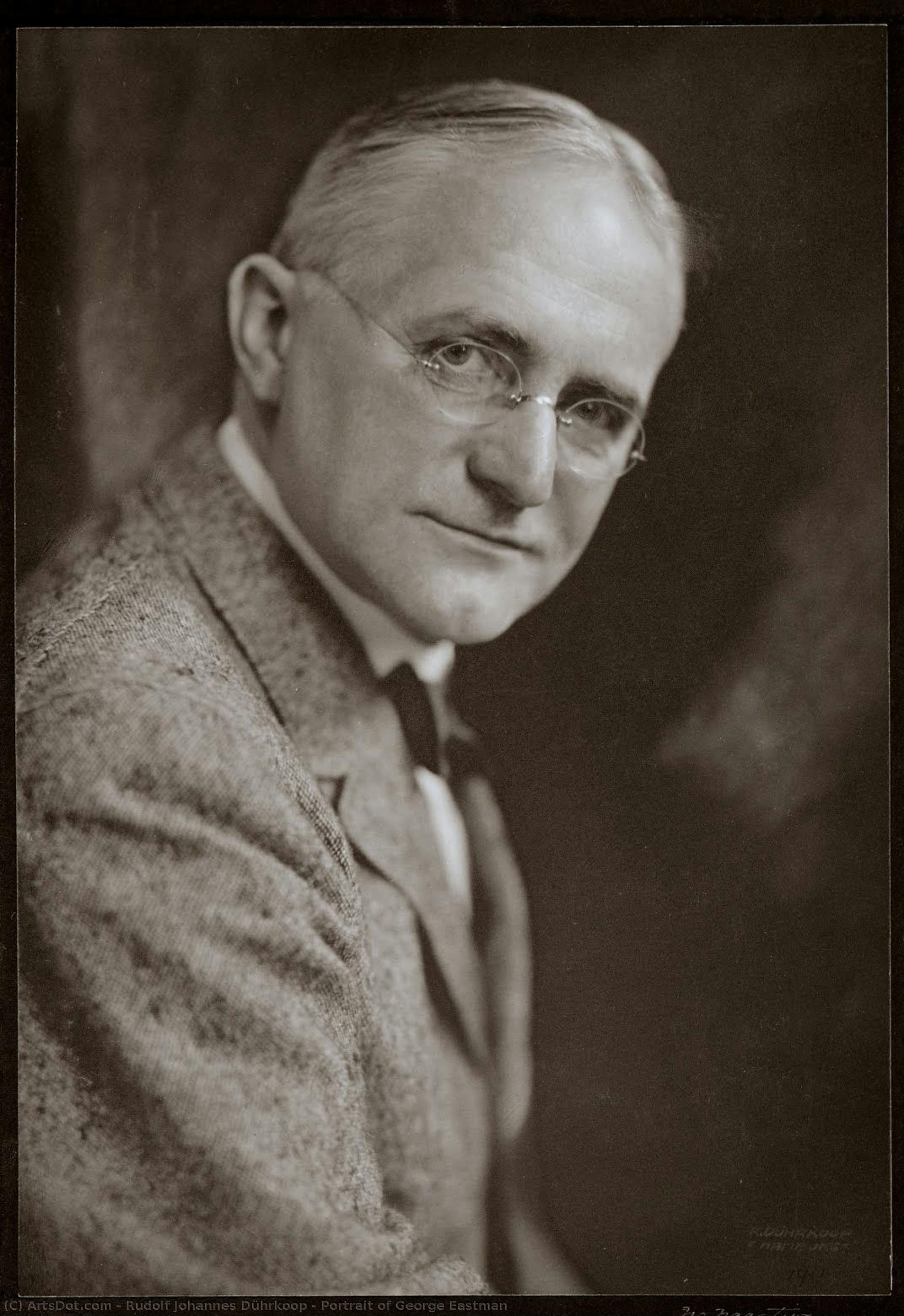
Portrait of George Eastman


 Read More
Purchase a high-resolution, enhanced digital image, far superior to the online preview.
Each file is meticulously prepared by our in-house specialists using advanced tools and expert manual retouching. We ensure every image has exceptional clarity, precise color accuracy, and fine detail.
The final file is delivered via email within 72 hours, optimized for immediate use in professional, editorial, and print environments. This is the same quality trusted by top-tier design studios, publishers, and galleries.
Digital Image
Download a high-resolution file for personal display, printing, and creative projects. ( Buy Print Buy Hand Made Painting)
Included in Every Digital Image Order
Expert Digital Delivery, Guaranteed
When you choose ArtsDot.com, you're not just getting an image - you're receiving a professionally enhanced digital artwork, crafted with precision and backed by a satisfaction guarantee. Here's everything that comes with your order, automatically:

Fast Email Delivery
Your high-resolution digital image file will be emailed to you within 72 hours of ordering - ready for immediate use.

AI-Enhanced Digital File
Your artwork is professionally optimized using advanced AI tools and manual editing, ensuring maximum detail, clarity, and color accuracy.

Free Lifetime Re-Delivery
Accidentally deleted or lost your file? No worries - we'll resend it to you anytime, free of charge.

No Import Fees - Ever
Enjoy your artwork instantly with zero customs, duties, or delivery fees - digital downloads are always tax-free.

Color Accuracy Guarantee
We ensure your digital image reflects the original colors as closely as possible using professional tools and color management.

60-Day Satisfaction Guarantee
If you're not satisfied with your digital image, we'll revise it or refund 100% within 60 days - no questions asked.

100% Money-Back Guarantee
Not satisfied? Get a full refund within 60 days of receiving your digital file - no questions asked.

Bulk Order Discounts
Buy 3 images, save 10% - Buy 5, save 15% - Buy 10+, save 20%. Great for creative projects, galleries, and agencies.
Related Artworks
Artist Biography
Paul Gauguin: A Savage’s Martyrdom for Art
Paul Gauguin, born in 1848 in Paris, was a figure of captivating contradiction – a wolfish wild man and a sensitive martyr for art, as he himself famously declared. His life was a relentless pursuit of the exotic, fueled by a restless spirit inherited from his Peruvian Creole mother and a yearning to escape the perceived constraints of European civilization. From humble beginnings as a stockbroker’s son, Gauguin embarked on a peripatetic journey that took him across continents, ultimately leading him to the South Seas where he would forge an artistic legacy that continues to resonate today. His story is not simply one of an artist; it's a narrative of rebellion, self-invention, and a profound engagement with the primal forces of nature and human emotion.Early Years and Artistic Training
Gauguin’s early life was marked by instability and travel. Descended from Peruvian nobility through his mother, he spent his childhood in Lima, Peru, before returning to Paris at a young age. This early exposure to a different culture instilled within him a fascination with the “other,” a theme that would permeate much of his work. He began his artistic career as an Impressionist, studying under Camille Pissarro and absorbing the techniques of artists like Paul Cézanne – particularly their use of parallel brushstrokes. However, Gauguin quickly outgrew the limitations of Impressionism, seeking a more direct and expressive means of conveying his inner vision. He purchased several Cézanne paintings to meticulously study the artist’s approach to structure and form, but ultimately rejected the scientific rigor in favor of a bolder, more subjective style. His early works reflected this transition, hinting at the dreamlike imagery and symbolic content that would become hallmarks of his mature style. He also experimented with sculpture and ceramics, demonstrating an interest in three-dimensional forms and decorative arts from the outset.Tahitian Exile and the Birth of a New Vision
In 1891, Gauguin made a radical decision: he abandoned his life in Paris and sailed for Tahiti, seeking refuge in what he envisioned as an unspoiled paradise. This move was not merely an escape; it was a deliberate attempt to create a new artistic identity, one rooted in the “primitive” and free from the corrupting influences of Western society. He arrived in Tahiti with little money and few possessions, immersing himself in the local culture and documenting his experiences through painting, writing, and sculpture. His early Tahitian works, such as *First Communion* (1887) and *Vision of Iao*, are characterized by bold colors, simplified forms, and a fascination with Polynesian mythology and spirituality. However, his time in Tahiti was not idyllic; fraught with misunderstandings, cultural clashes, and ultimately, the breakdown of his relationship with Teha’ira, a local woman he had married.Symbolism, Synthesis, and the Influence of Van Gogh
Despite the challenges he faced in Tahiti, Gauguin continued to develop his artistic vision, drawing inspiration from various sources – including Japanese prints (Ukiyo-e), African art, and the religious iconography of Breton peasants. He embraced the Symbolist movement, rejecting naturalistic representation in favor of symbolic imagery designed to evoke emotional responses. His painting *Vision of the Sermon* (1888), created during a visit to Brittany with Émile Bernard, is considered a pivotal work in the development of Symbolism, utilizing broad fields of color and simplified forms to express transcendent spiritual experiences. His relationship with Vincent van Gogh was complex and intense, marked by mutual admiration and artistic exchange. Gauguin’s travels to Arles, where he briefly lived alongside Van Gogh, profoundly influenced his style, particularly his use of bold colors and expressive brushstrokes. The two artists shared a desire to break free from the constraints of academic art and explore new ways of representing the world.Legacy and Lasting Impact
Paul Gauguin died in 1903 on the island of Hiva Oa, in the Marquesas Islands, leaving behind a body of work that continues to captivate and challenge viewers. His influence on modern art is undeniable, paving the way for Fauvism and Expressionism through his rejection of naturalistic representation and his emphasis on subjective experience. His exploration of primitivism, symbolism, and the relationship between art and spirituality remains relevant today. Gauguin’s life and work serve as a testament to the power of artistic vision, the allure of the exotic, and the enduring quest for meaning in a rapidly changing world. His legacy is not simply one of beautiful paintings; it's a story of an artist who dared to forge his own path, rejecting convention and embracing the wildness within himself and the world around him.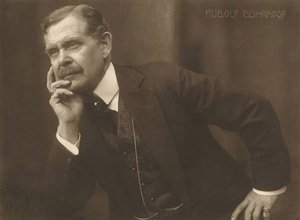
rudolf johannes dührkoop
1848 - 1918 , Germany
Quick Facts
- Artistic Movement Or Style:
- Post-Impressionism
- Symbolism
- Synthetism
- Artists Or Movements Influenced By This Artist:
- Nabis
- Fauvism
- Artists Who Influenced This Artist:
- Cézanne
- van Gogh
- Date Of Birth: June 7, 1848
- Date Of Death: May 8, 1903
- Full Name: Paul Gauguin
- Nationality: French
- Notable Artworks:
- Vision of the Sermon
- Where Do We Come From?
- Iahona and Teha
- Place Of Birth: Paris, France

