 Preview
 Send
Send Share
Share
 Details

 Download
 Similars
 X-Ray
X-Ray Diaporama
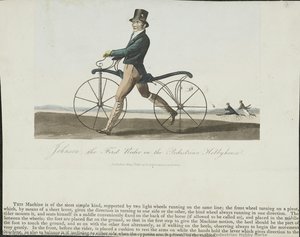
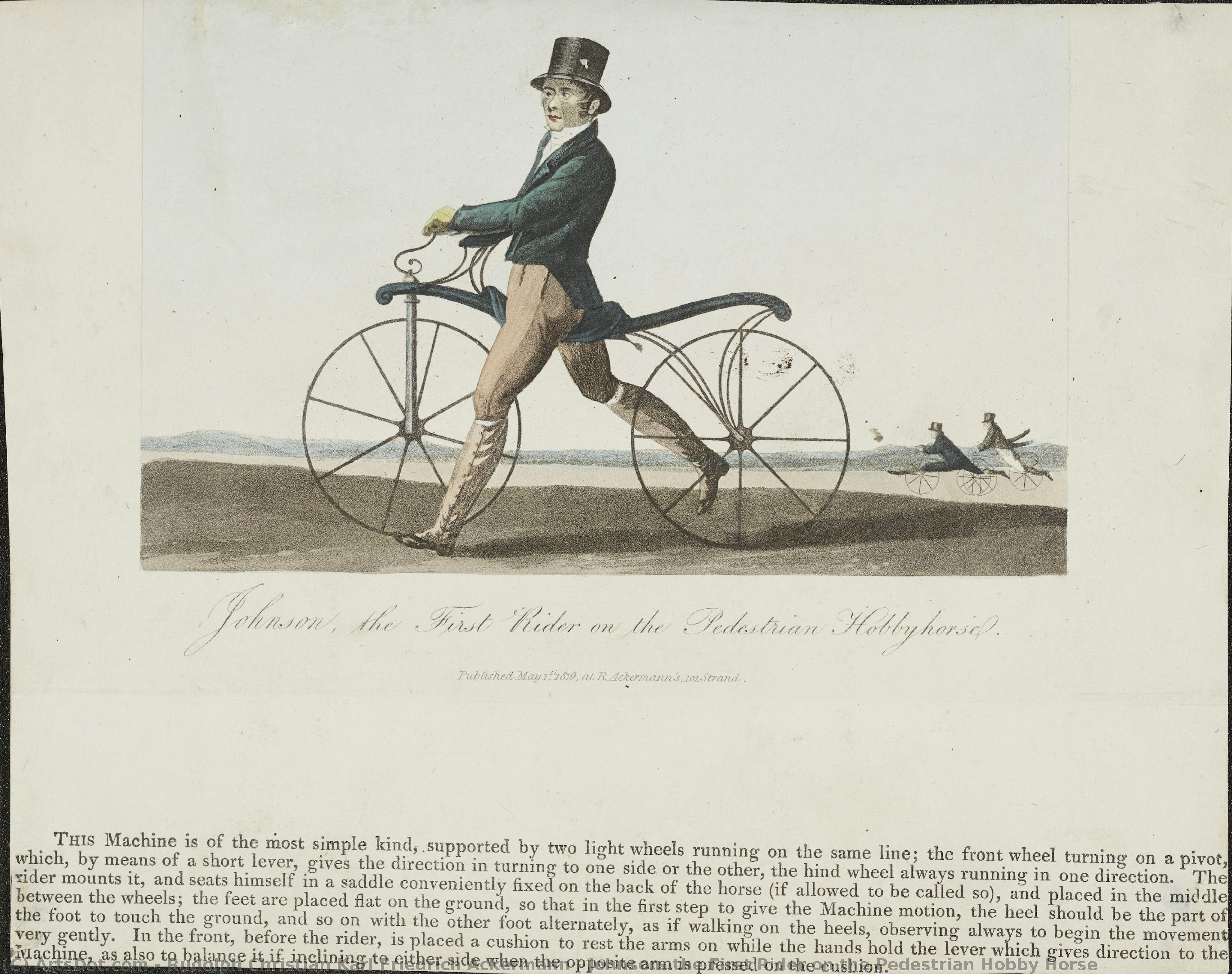
Johnson, the First Rider on the Pedestrian Hobby Horse
 1819
1819 23.0 x 18.0 cm
 Science Museum
 Read More
Hand Made Oil Reproduction
Hand-painted oil on canvas in your size and frame, made to order by our artists. ( Buy Print Buy Image)




































Pick from our preset sizes that match the artwork's original proportions.

You may enter your own dimensions to fit a specific frame or space. If your selected size does not match the original image's proportions, we will either crop the artwork or extend the painting with additional hand-painted elements. A digital mockup will be sent for your approval before production begins.
Please note that the on-screen preview does not reflect the actual cropping or extension. Only the mockup will accurately show the final composition.
While custom sizes are available, we recommend selecting a dimension from the predefined list to preserve the original proportions.
After order, ArtsDot.com team will email client for instructions and provide a mockup preview
Worldwide Delivery () in 3/4 weeks instead of standard 5 weeks. (2 September). No compromise on quality.

Free Worldwide Express Shipping

High-Quality Linen Canvas

Full Shipping Insurance

Customs Tax Refund Guarantee

True Color Matching Guarantee

60-Day Return Policy (Defects Only)

100% Money-Back Guarantee

Bulk Discount Offer
 Glass option is only available in size under 110 CM

Johnson, the First Rider on the Pedestrian Hobby Horse
Reproduction Medium
Reproduction Size
-


Total Price
$ 263
Related Artworks




Artist Biography
The Visionary of the Strand: The Life and Legacy of Rudolph Ackermann
Rudolph Christian Karl Friedrich Ackermann was far more than a mere printer; he was a master architect of the Regency era’s visual identity. Born in 1764 in Stollberg, Germany, his journey from a small Saxon town to the bustling heart of London is a testament to an indominated entrepreneurial spirit. Before he became a titan of the publishing world, Ackermann’s early life was shaped by the disciplined precision of a saddler’s apprenticeship. This foundational period instilled in him a profound respect for craftsmanship and an eye for the intricate details that would later define his celebrated lithographic works. When he arrived in London at the age of twenty-three, he brought with him a unique blend of continental artistry and commercial ambition, eventually finding success as a coachmaker—a role that allowed him to design even the ceremonial carriages for high-ranking officials like the Lord Chancellor of Ireland.A Revolution in Ink and Stone
The true metamorphosis of the London art scene occurred when Ackermann turned his gaze toward the transformative power of printmaking. In 1795, he established his legendary print-shop and drawing school at 96 Strand, a move that would forever alter the way the public consumed visual information. He was a pioneer who recognized early on the revolutionary potential of lithography, a medium that offered an unprecedented range of tonal depth and fluid precision compared to traditional engraving. Through his workshop, Ackermann did not just distribute images; he curated an aesthetic movement. His mastery over color printing and paper manufacturing allowed him to produce works of exquisite quality, making high art accessible to a burgeoning middle class. His strategic relocation to 101 Strand placed him at the very epicenter of London’s cultural life, near the Royal Academy, where his influence could permeate every corner of the city's social fabric.Fashion, Cityscapes, and the Regency Spirit
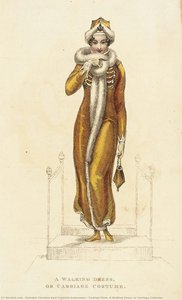
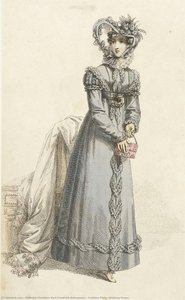
Ackermann’s body of work serves as a vibrant, textured window into the soul of 19th-century Britain. He became the definitive chronicler of Regency fashion, producing iconic fashion plates that dictated the elegance and whimsy of the age. These prints were not merely instructional; they were atmospheric captures of style, movement, and social grace. Beyond the sartorial, his devotion to London cityscapes provided a meticulous topographical record of a metropolis in flux. His ability to blend the architectural grandeur of the era with the lively, often chaotic energy of urban street life created a sense of place that was both romantic and documentary. Through his innovative use of aquatint and lithography, he captured the play of light on cobblestones and the subtle shadows of London’s growing skyline, leaving behind a visual legacy that remains an essential archive for historians and art lovers alike.An Enduring Artistic Influence
The historical significance of Rudolph Ackermann lies in his ability to bridge the gap between fine art and mass communication. He was a polymath of the printing press, an artist whose technical innovations paved the way for the modern era of graphic design and illustration. His achievements were not limited to the aesthetic; he built a commercial empire that integrated education, through his drawing schools, with the dissemination of global knowledge. As we look back upon his life, we see a man who understood that art is not just something to be hung on a gallery wall, but something to be lived, worn, and shared within the very streets of a civilization. His work remains a luminous testament to the era of Regency splendor, preserved through the delicate lines and rich tones of his enduring prints.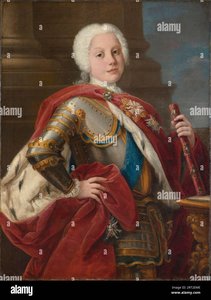
rudolph christian karl friedrich ackermann
1764 - 1834 , Germany
Quick Facts
- Artistic Movement Or Style: Regency Printmaking
- Artists Who Influenced This Artist:
- Thomas Rowlandson
- Isaac Cruikshank
- Maria Cosway
- Date Of Birth: April 20, 1764
- Date Of Death: 1834
- Full Name: Rudolph Christian Karl Friedrich Ackermann
- Nationality: German-British
- Notable Artworks:
- Fashion Plate (A Walking Dress)
- Johnson, the First Rider on the Pedestrian Hobby Horse
- The English Dance of Death
- Microcosm of London
- Place Of Birth: Stollberg, Germany