 Preview
 Send
Send Share
Share
 Details

 Download
 Similars
 X-Ray
X-Ray Diaporama
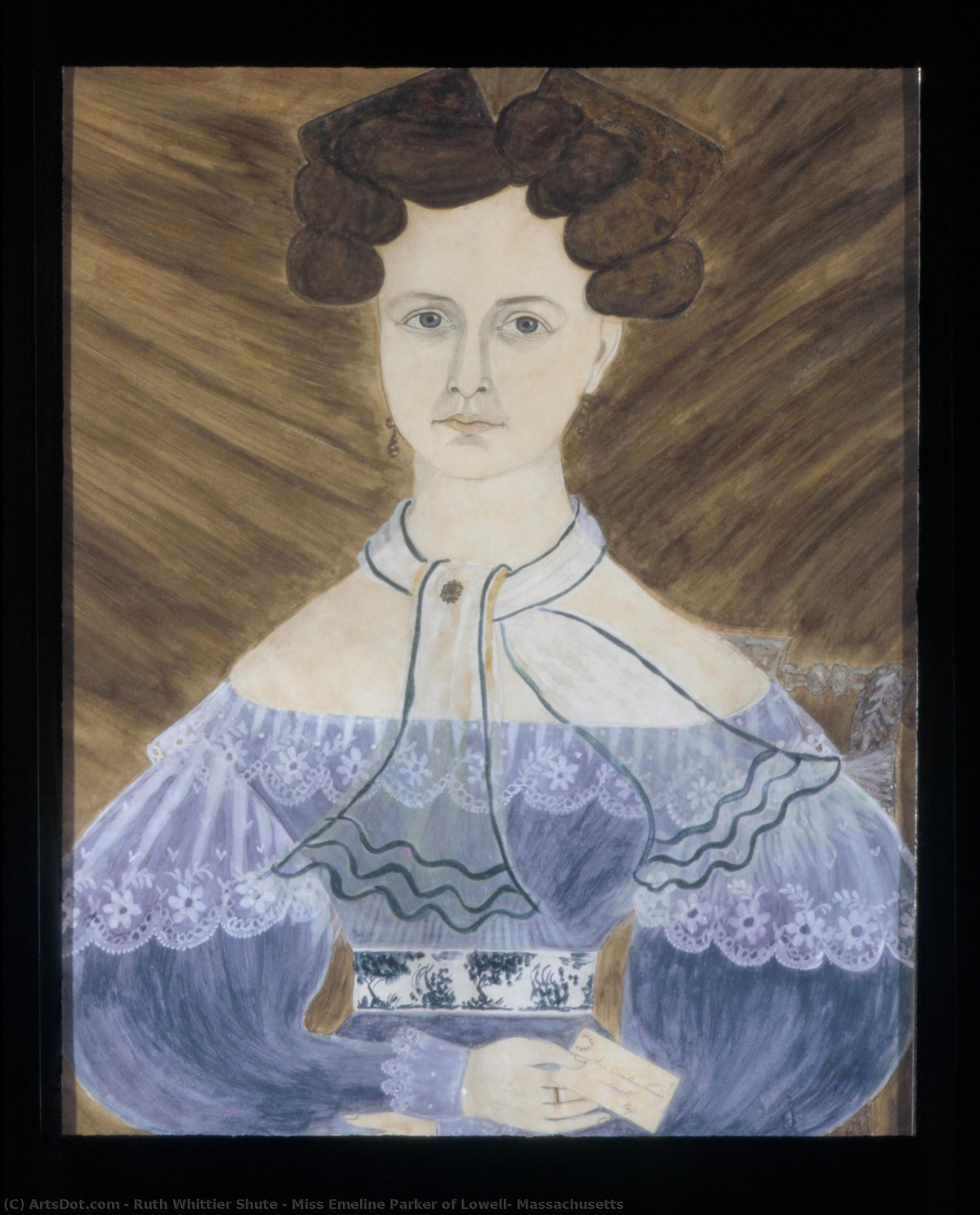
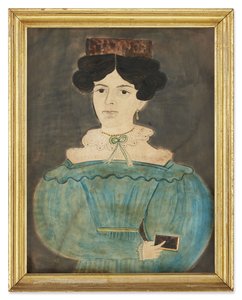
Miss Emeline Parker of Lowell, Massachusetts
 1832
1832 60.0 x 47.0 cm
 Read More
Giclée / Art Print
Museum-quality giclée or canvas print with fast production and flexible finish options. ( Buy Hand Made Painting Buy Image)




































Pick from our preset sizes that match the artwork's original proportions.

You may enter your own dimensions to fit a specific frame or space. If your selected size does not match the original image's proportions, we will either crop the artwork or extend the image with a mirrored or solid-fill edge. A digital mockup will be sent for your approval before production begins.
Please note that the on-screen preview does not reflect the actual cropping or extension. Only the mockup will accurately show the final composition.
While custom sizes are available, we recommend selecting a dimension from the predefined list to preserve the original proportions.
Worldwide Delivery () in 2 weeks instead of standard 4/5 weeks. (2 September)

Free Worldwide Express Shipping

High-Quality Linen Canvas

Full Shipping Insurance

Customs Tax Refund Guarantee

True Color Matching Guarantee

60-Day Return Policy (Defects Only)

100% Money-Back Guarantee

Bulk Discount Offer
 Glass option is only available in size under 110 CM

Miss Emeline Parker of Lowell, Massachusetts
Giclée / Art Print
Reproduction Size
-


Total Price
$ 63
Related Artworks







Artist Biography
A Pioneering Partnership: The Life and Art of Ruth Whittier Shute
The early American art landscape, often dominated by formally trained male artists, held quiet corners for self-taught talents and collaborative endeavors. Among these emerged the remarkable partnership of Samuel Addison Shute and his wife, Ruth Whittier Shute, itinerant portrait painters who captured the essence of New England life in the 1830s. Born in Dover, New Hampshire, in 1803, Ruth Whittier’s story is one of artistic resilience, adaptability, and a keen eye for portraying the individuals she encountered during her travels. While initially overshadowed by her husband's name, modern scholarship has rightfully recognized Ruth as a significant contributor to American folk art, whose work offers invaluable glimpses into the lives of ordinary people.
Early Life and Collaborative Beginnings
Ruth’s lineage connected her to a prominent literary figure—she was a double first cousin to the celebrated abolitionist poet John Greenleaf Whittier. This familial connection hints at an environment that valued creativity, though Ruth's early artistic training remains largely undocumented. In 1827, she married Samuel Addison Shute, a physician and orator with a burgeoning interest in painting. The couple settled initially in Weare, New Hampshire, embarking on a nomadic existence as itinerant portraitists—traveling from town to town, offering their services to anyone seeking a likeness of themselves or loved ones. Their early advertisements, placed in local newspapers like the Newport Argus and Spectator, promised “correct likenesses” at affordable prices, a testament to their entrepreneurial spirit and commitment to accessibility.
A Unique Artistic Process
The Shutes’ artistic method was particularly noteworthy. While they initially painted independently, they soon developed a collaborative technique that blended their individual skills. Ruth typically began the process by creating the underlying drawing of the subject—a delicate foundation upon which Samuel would build with watercolor or oil paint. Many portraits bear inscriptions on the reverse detailing each artist's contribution: “Drawn by R. W. Shute / and / Painted by S. A. Shute.” This division of labor wasn’t merely practical; it suggests a harmonious interplay of artistic sensibilities, where Ruth’s draftsmanship complemented Samuel’s painterly expertise. Their work often incorporated an unusual mixture of materials—watercolor, gouache, pastel, graphite, even collage and gum arabic—resulting in portraits that are both fresh and complex.
Portraying New England Society
The Shutes' subjects were primarily working-class individuals from the small towns and burgeoning industrial centers of northern New England and upstate New York. A significant portion of their oeuvre focuses on young women who had migrated to mill towns like Lowell, Massachusetts, seeking employment in the textile industry. These portraits are not grand depictions of wealth or status; instead, they offer intimate glimpses into the lives of these resilient individuals—their quiet dignity, their hopes, and their aspirations. Miss Emeline Parker of Lowell, Massachusetts, painted in 1832, is perhaps their most iconic work. The delicate watercolor captures a young woman holding a calling card, her gaze direct and engaging. It’s a portrait that transcends mere representation; it feels like a connection to a specific moment in time, a testament to the power of art to preserve individual stories.
Legacy and Historical Significance
Samuel Addison Shute's untimely death in 1836 marked a turning point for Ruth. She continued painting independently, moving to Champlain, New York, and later remarrying and settling in Lexington, Kentucky. Despite the challenges she faced, Ruth persevered as an artist for decades, adapting her style and medium while maintaining a commitment to portraiture. Her work, alongside that of Samuel, offers a valuable window into 19th-century American life—a period characterized by rapid industrialization, social change, and the rise of a distinct folk art tradition. The Shutes’ portraits are not simply historical documents; they are testaments to the human spirit, capturing the essence of individuals who might otherwise have been forgotten. Their collaborative approach, their innovative use of materials, and their dedication to portraying ordinary people make them significant figures in the history of American art. Today, their works are held in esteemed collections such as the Metropolitan Museum of Art and the American Folk Art Museum, ensuring that their legacy continues to inspire and captivate audiences for generations to come.
ruth whittier shute
1803 - 1882 , United States of America
Quick Facts
- Artistic Movement Or Style: American Folk Art
- Date Of Birth: 1803
- Date Of Death: 1882
- Full Name: Ruth Whittier Shute
- Nationality: American
- Notable Artworks: ['Miss Emeline Parker']
- Place Of Birth: Lowell, USA