 Preview
 Send
Send Share
Share
 Details

 Download
 Similars
 X-Ray
X-Ray Diaporama
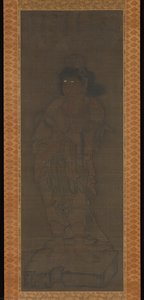
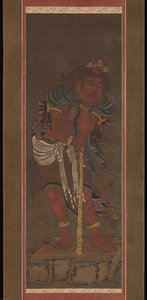
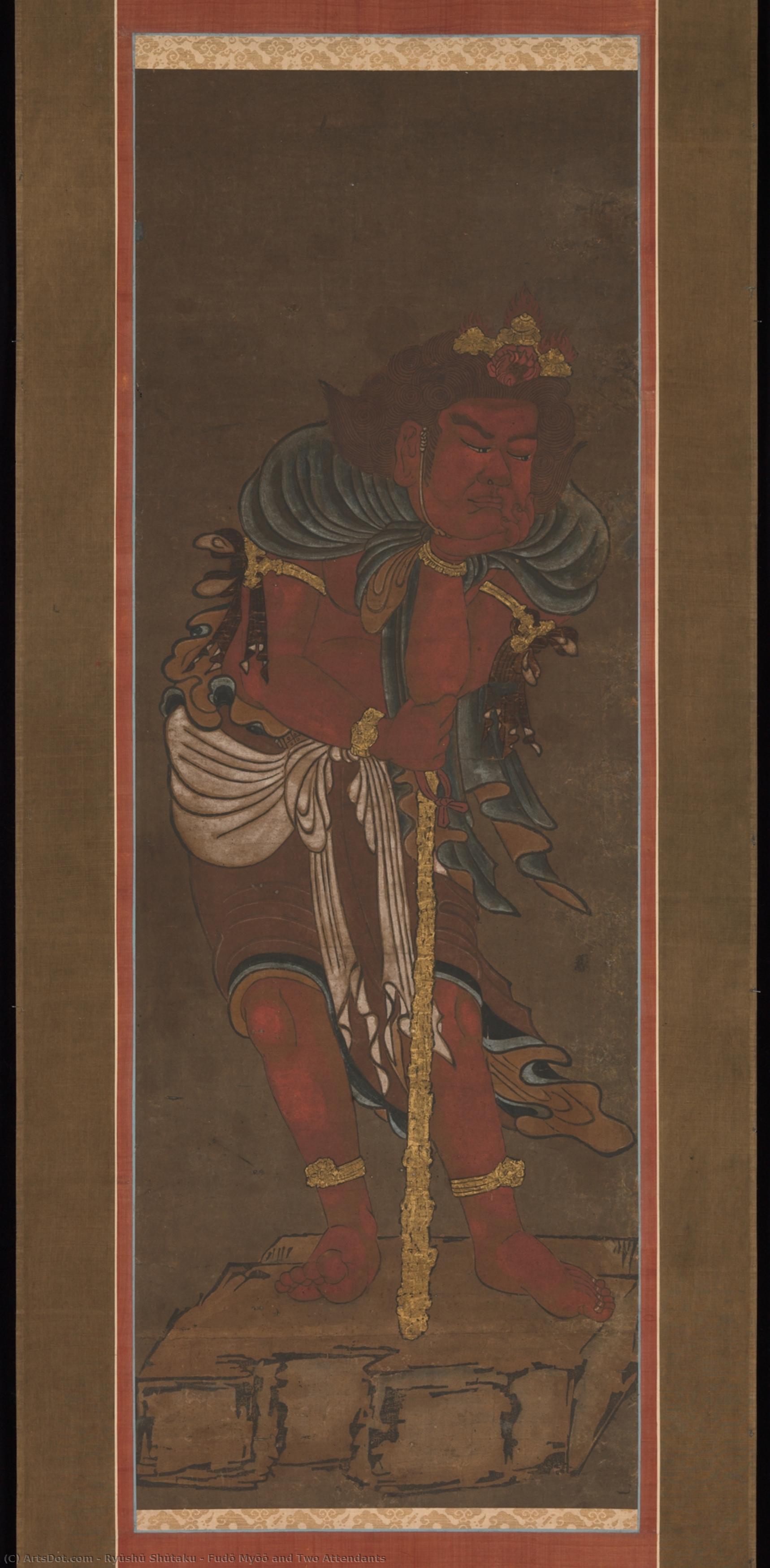
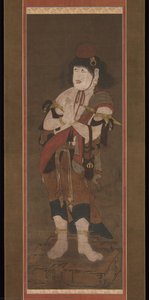
Fudō Myōō and Two Attendants
 107.0 x 36.0 cm
 Read More
Hand Made Oil Reproduction
Hand-painted oil on canvas in your size and frame, made to order by our artists. ( Buy Print Buy Image)




































Pick from our preset sizes that match the artwork's original proportions.

You may enter your own dimensions to fit a specific frame or space. If your selected size does not match the original image's proportions, we will either crop the artwork or extend the painting with additional hand-painted elements. A digital mockup will be sent for your approval before production begins.
Please note that the on-screen preview does not reflect the actual cropping or extension. Only the mockup will accurately show the final composition.
While custom sizes are available, we recommend selecting a dimension from the predefined list to preserve the original proportions.
After order, ArtsDot.com team will email client for instructions and provide a mockup preview
Worldwide Delivery () in 3/4 weeks instead of standard 5 weeks. (24 August). No compromise on quality.

Free Worldwide Express Shipping

High-Quality Linen Canvas

Full Shipping Insurance

Customs Tax Refund Guarantee

True Color Matching Guarantee

60-Day Return Policy (Defects Only)

100% Money-Back Guarantee

Bulk Discount Offer
 Glass option is only available in size under 110 CM

Fudō Myōō and Two Attendants
Reproduction Medium
Reproduction Size
-


Total Price
$ 263
Artwork Description
Related Artworks









Artist Biography
The Silent Master of the Dharma: The Life of Ryūshū Shūtaku
In the turbulent landscape of Japan’s Nanbokuchō period, a time defined by political fragmentation and spiritual searching, there emerged a figure whose brushstrokes offered a glimpse into eternal stillness. Ryūshū Shūtaku, also known by his monastic name Myōtaku, was far more than a mere painter; he was a Zen monk-scholar whose life and art were inextricably woven into the fabric of Buddhist devotion. Born in 1307, Shūtaku’s existence was shaped by the rigorous discipline of the Zen tradition. His formative years at Mount Ōei Temple in Nara Prefecture, under the tutelage of the Zen patriarch Ōkei, instilled in him a profound understanding of śūshin—the concept of the silent mind. This spiritual foundation meant that his artistic endeavors were never driven by the pursuit of worldly fame or secular patronage, but rather served as a meditative extension of his monastic practice.
Shūtaku’s creative journey was characterized by an extraordinary level of devotion, famously said to have involved painting images of the deity Fudō Myōō on a daily basis for over twenty years. This relentless dedication allowed him to transcend simple representation, moving toward a style that captured the very essence of the divine. His work does not merely depict religious figures; it invites the viewer into a state of contemplation, mirroring the inner stillness he sought through his Zen training. Through his mastery, the boundaries between the act of painting and the act of prayer dissolved, leaving behind a legacy of art that functions as a visual liturgy.
The Iconography of Power and Compassion
The heart of Shūtaku’s artistic contribution lies in his profound command over the iconography of Fudō Myōō, the Immovable Wisdom King. As a central deity in Japanese Esoteric Buddhism (Mikky kyō), Fudō Myōō represents the fierce, transformative power required to overcome the obstacles of ignorance and desire. Shūtaku’s depictions of this formidable figure are legendary for their spiritual resonance. He captured the terrifying majesty of the deity—the wrathful countenance and the unwavering resolve—while simultaneously conveying a sense of protective compassion.
In many of his most significant works, such as his celebrated triptychs, Shūtaku accompanied Fudō Myōō with the youthful attendants Seitaka Dōji and Kongara Dōji. These figures provide a vital emotional balance to the fierce energy of the Wisdom King, symbolizing the purity and innocence that remain even amidst the struggle against darkness. The interplay between the wrathful deity and his gentle attendants creates a narrative of spiritual evolution, where strength and compassion are two sides of the same enlightened coin. His ability to render these complex theological relationships through delicate lines and powerful imagery remains one of his greatest achievements.
Legacy and Historical Significance
The historical importance of Ryūshū Shūtaku extends far beyond the walls of the Zen temples where he practiced. He was a pivotal figure in the development of Buddhist print culture during the late medieval period. Some of the most influential works attributed to his influence were part of early publication projects promoted by Zen temples to disseminate Buddhist teachings and iconography to a wider audience. These works, often featuring hand-painted elements over printed outlines, demonstrate how Shūtaku’s personal vision helped shape the visual language of Japanese Buddhism for generations.
Today, the legacy of Myōtaku continues to resonate within the study of Japanese art history. His work stands as a testament to several enduring themes:
- The Integration of Art and Spirit: He remains a primary example of how the Zen concept of "silent mind" can be translated into visual form.
- Iconographic Mastery: His definitive treatments of Fudō Myōō set a standard for the depiction of Esoteric Buddhist deities.
- Cultural Transmission: Through his influence on early printing and monastic publication, he played a crucial role in the spread of religious iconography across Japan.
In the quiet strength of his lines and the fierce clarity of his subjects, Ryūshū Shūtaku achieved what few artists ever do: he made the invisible truths of the Dharma visible to the human eye.
ryūshū shūtaku
1307 - 1388 , Japan
Quick Facts
- Artistic Movement Or Style: Zen Buddhist Art
- Artists Or Movements Influenced By This Artist: ['Kongara-doji']
- Date Of Death: 1388
- Full Name: Ryūshū Shūtaku
- Nationality: Japanese
- Notable Artworks: ['Fudō Myōō and Two Attendants']
- Place Of Birth: Japan