 Preview
 Send
Send Share
Share
 Details

 Download
 Similars
 X-Ray
X-Ray Diaporama
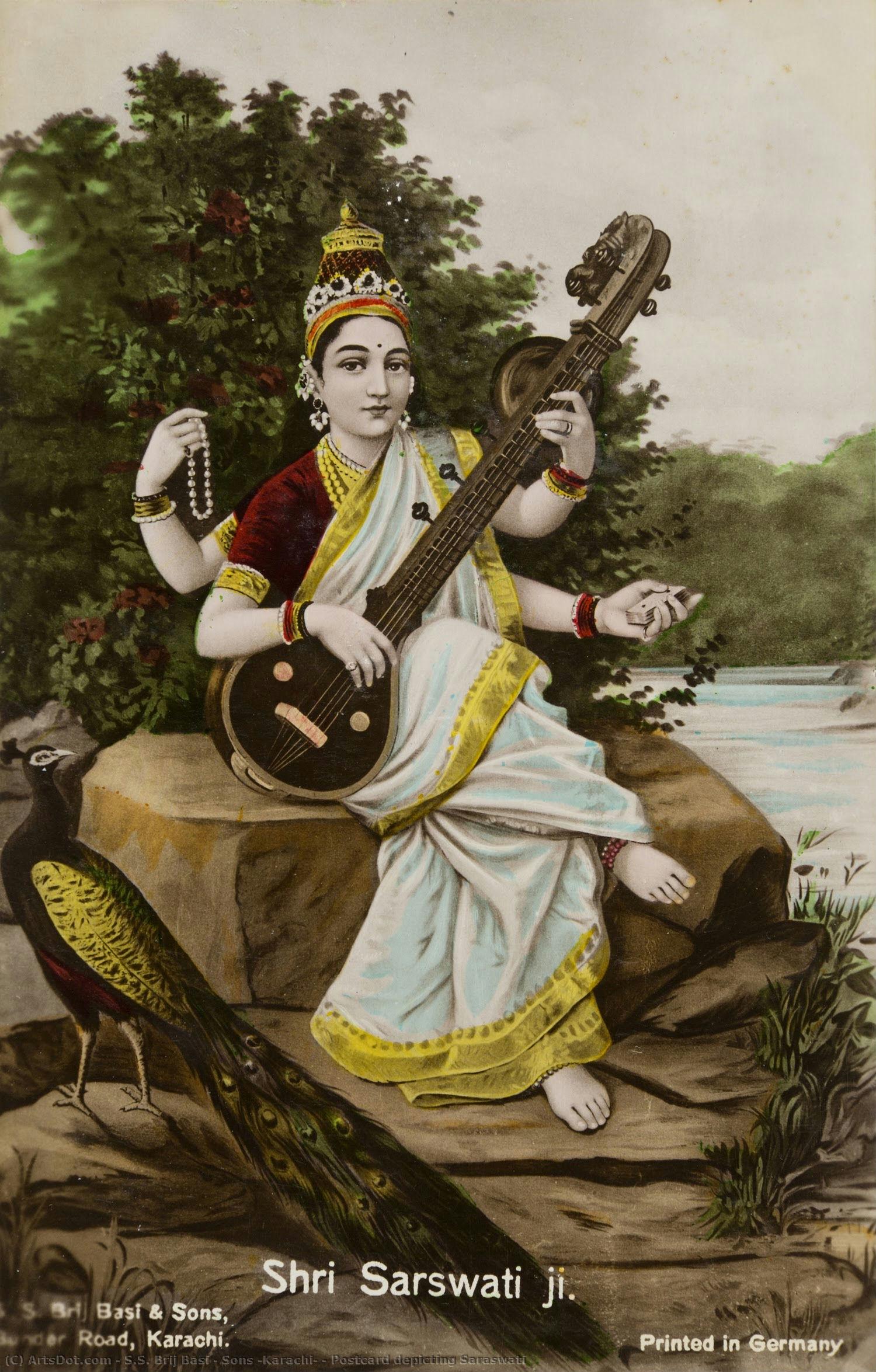
Postcard depicting Saraswati


 Read More
Giclée / Art Print
Museum-quality giclée or canvas print with fast production and flexible finish options. ( Buy Hand Made Painting Buy Image)




































Pick from our preset sizes that match the artwork's original proportions.

You may enter your own dimensions to fit a specific frame or space. If your selected size does not match the original image's proportions, we will either crop the artwork or extend the image with a mirrored or solid-fill edge. A digital mockup will be sent for your approval before production begins.
Please note that the on-screen preview does not reflect the actual cropping or extension. Only the mockup will accurately show the final composition.
While custom sizes are available, we recommend selecting a dimension from the predefined list to preserve the original proportions.
Worldwide Delivery () in 2 weeks instead of standard 4/5 weeks. (28 August)

Free Worldwide Express Shipping

High-Quality Linen Canvas

Full Shipping Insurance

Customs Tax Refund Guarantee

True Color Matching Guarantee

60-Day Return Policy (Defects Only)

100% Money-Back Guarantee

Bulk Discount Offer
 Glass option is only available in size under 110 CM

Postcard depicting Saraswati
Giclée / Art Print
Reproduction Size
-


Total Price
$ 63
Related Artworks








Artist Biography
The Enduring Legacy of Brij Basi & Sons: A Karachi Tapestry
The story of Brij Basi & Sons is more than a chronicle of a textile business; it’s a vibrant thread woven into the very fabric of Karachi's post-partition identity. Founded in the bustling heart of the city, the firm emerged not merely as a commercial enterprise but as a symbol of resilience and adaptation for a community navigating profound change. While precise biographical details regarding Brij Basi himself remain elusive – a common characteristic of first-generation entrepreneurs focused on establishing their ventures rather than self-promotion – the enduring success of his namesake company speaks volumes about his vision and dedication.
The early years, following the 1947 partition of India, were marked by immense challenges. Displaced communities sought to rebuild their lives, and Brij Basi recognized a critical need for reliable textile suppliers. He established a modest trading operation, initially focusing on basic cotton goods essential for everyday life. This pragmatic approach – providing necessities rather than luxury items – proved pivotal in gaining the trust of a diverse clientele. The firm’s location within Karachi's commercial district ensured accessibility and fostered strong relationships with both local artisans and emerging manufacturers.
From Humble Beginnings to a Regional Powerhouse
The transition from trader to manufacturer was gradual but deliberate. Brij Basi & Sons didn’t immediately attempt large-scale production; instead, they strategically invested in small workshops, partnering with skilled weavers and dyers. This collaborative model allowed them to maintain quality control while simultaneously supporting local craftsmanship. Over time, the company expanded its product range, incorporating increasingly sophisticated designs and techniques. The introduction of power looms marked a significant turning point, increasing efficiency and enabling larger production runs.
The firm’s success wasn't solely attributable to technological advancements. Brij Basi & Sons cultivated a reputation for ethical business practices, fair wages, and consistent product quality – values that were particularly important in a rapidly evolving economic landscape. They understood the importance of building long-term relationships with their suppliers and customers, fostering loyalty and trust. This commitment extended beyond mere commerce; the company actively participated in community initiatives, contributing to the social welfare of Karachi’s burgeoning population.
The Evolution of Style: Reflecting a Changing Nation
Throughout the mid-20th century, Brij Basi & Sons adeptly mirrored the evolving aesthetic preferences of Pakistani society. Initially focused on traditional patterns and motifs – reflecting the cultural heritage of the region – they gradually incorporated contemporary designs influenced by global trends. This ability to blend tradition with modernity proved crucial in maintaining their market share.
The company’s textiles became synonymous with quality and affordability, adorning homes across Pakistan. They catered to a wide spectrum of consumers, from middle-class families seeking durable everyday fabrics to affluent clients desiring luxurious embellishments. The introduction of printed cottons – featuring vibrant floral patterns and geometric designs – proved particularly popular, becoming a hallmark of Pakistani domestic interiors during the 1960s and 70s.
Karachi as Muse: A Legacy in Cloth
The historical significance of Brij Basi & Sons lies not only in their commercial achievements but also in their role as cultural chroniclers. Their textiles offer a fascinating glimpse into the social, economic, and aesthetic transformations of post-partition Pakistan. The patterns they produced – often incorporating local symbols and motifs – reflect the evolving national identity and the aspirations of a newly independent nation.
Today, Brij Basi & Sons continues to operate as a family-run business, albeit in a significantly altered landscape. While facing competition from larger multinational corporations, they remain committed to their core values: quality craftsmanship, ethical practices, and community engagement. The firm’s enduring legacy serves as a testament to the power of resilience, adaptation, and a deep understanding of the cultural context in which it operates.
- Key Influences: Post-partition economic conditions, traditional Pakistani textile arts, evolving consumer preferences, global design trends.
- Major Achievements: Establishing a leading textile manufacturing and trading firm in Karachi, fostering local craftsmanship, contributing to the social welfare of the community, adapting to changing market demands.
- Historical Significance: Representing resilience and adaptation in post-partition Pakistan, chronicling cultural transformations through textile design, embodying ethical business practices.

Quick Facts
- Artistic Movement Or Style: Commercial Art
- Date Of Death: Living
- Full Name: Brij Basi & Sons
- Nationality: Pakistani
- Place Of Birth: Karachi, Pakistan