 Preview
 Send
Send Share
Share
 Details

 Download
 Similars
 X-Ray
X-Ray Diaporama
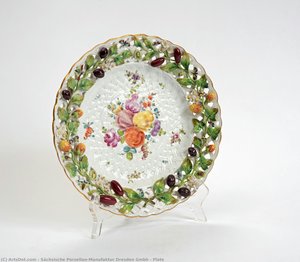
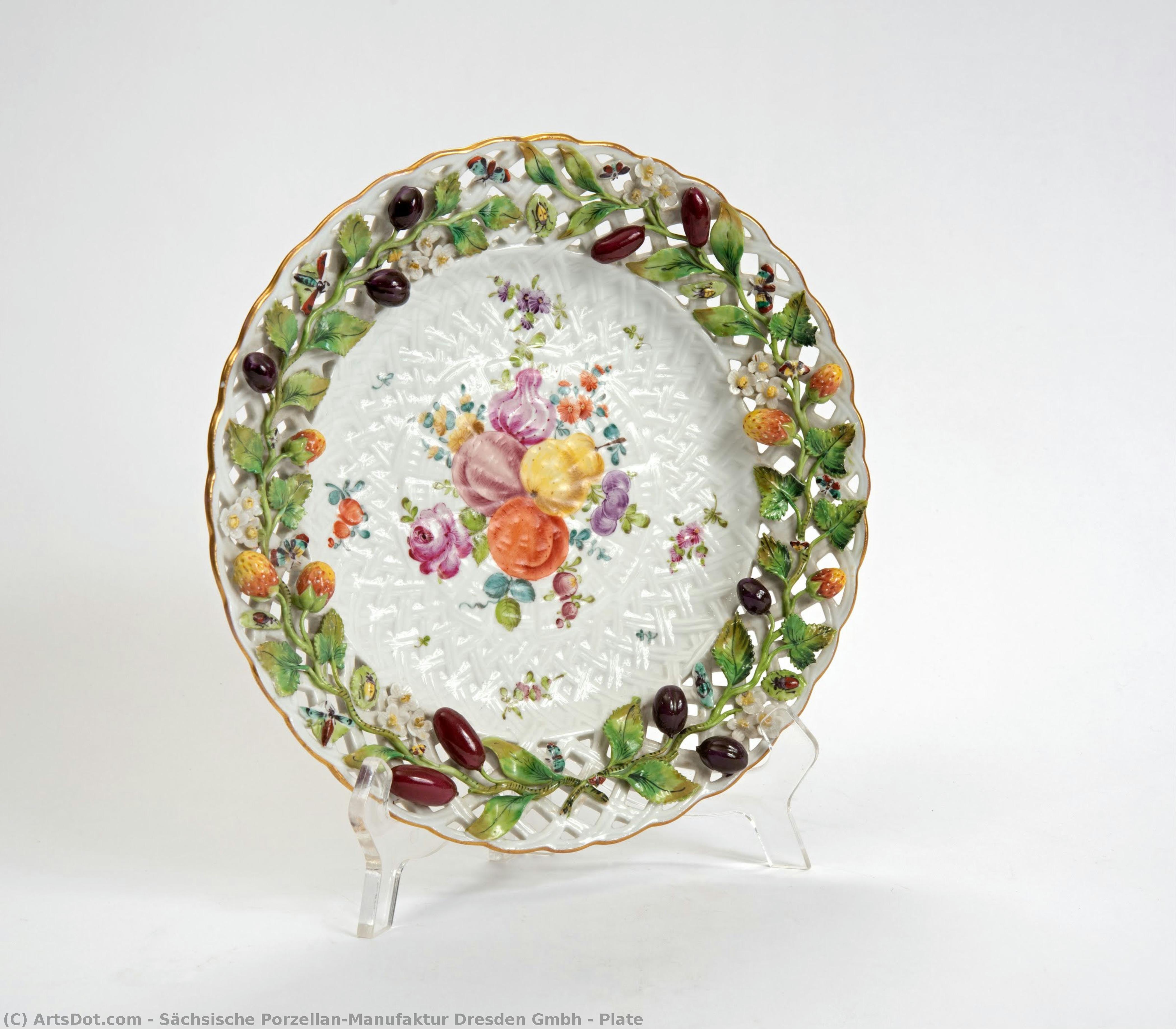
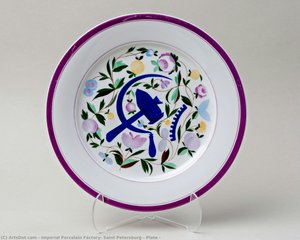
Plate


 Read More
Giclée / Art Print
Museum-quality giclée or canvas print with fast production and flexible finish options. ( Buy Hand Made Painting Buy Image)




































Pick from our preset sizes that match the artwork's original proportions.

You may enter your own dimensions to fit a specific frame or space. If your selected size does not match the original image's proportions, we will either crop the artwork or extend the image with a mirrored or solid-fill edge. A digital mockup will be sent for your approval before production begins.
Please note that the on-screen preview does not reflect the actual cropping or extension. Only the mockup will accurately show the final composition.
While custom sizes are available, we recommend selecting a dimension from the predefined list to preserve the original proportions.
Worldwide Delivery () in 2 weeks instead of standard 4/5 weeks. (28 August)

Free Worldwide Express Shipping

High-Quality Linen Canvas

Full Shipping Insurance

Customs Tax Refund Guarantee

True Color Matching Guarantee

60-Day Return Policy (Defects Only)

100% Money-Back Guarantee

Bulk Discount Offer
 Glass option is only available in size under 110 CM

Plate
Giclée / Art Print
Reproduction Size
-


Total Price
$ 63
Related Artworks



Artist Biography
A Legacy Forged in Porcelain: The Sächsische Porzellan-Manufaktur Dresden
The story of the Sächsische Porzellan-Manufaktur Dresden, or Saxon Porcelain Manufactory of Dresden, is not simply a chronicle of ceramic production; it’s a vibrant tapestry woven with threads of royal ambition, artistic innovation, and enduring craftsmanship. Founded in 1710 by Augustus the Strong, Elector of Saxony and King of Poland, the manufactory arose from his fervent desire to rival the porcelain artistry of the East – specifically, the coveted wares of China. This wasn’t merely a matter of aesthetic pursuit; it was a quest for alchemical mastery, as early European attempts to replicate hard-paste porcelain were fraught with difficulty. Augustus believed that unlocking the secrets of porcelain production would demonstrate his power and sophistication, elevating Saxony to new heights of cultural prominence. The initial years were marked by relentless experimentation led by Johann Friedrich Böttger, an alchemist in royal service. After decades of trial and error, Böttger successfully developed a European hard-paste porcelain formula around 1708, paving the way for the manufactory’s official establishment.From Royal Workshop to Artistic Hub
The early productions of the Manufactory were heavily influenced by Asian designs – delicate forms, vibrant colors, and intricate floral motifs. However, under the guidance of successive directors, a distinctly European aesthetic began to emerge. The reign of Augustus III saw a flourishing of Rococo style, with porcelain figures becoming increasingly elaborate and refined. Artists like Johann Kandler, appointed chief modeller in 1731, were instrumental in shaping this evolution. Kandler’s skill lay not only in his technical prowess but also in his ability to capture the nuances of human emotion and movement in sculpted form. He oversaw the creation of iconic series such as the “Swan Service” – a monumental dinner service commissioned by Count Heinrich von Brühl, renowned for its allegorical scenes and exquisite detail. The Manufactory wasn’t just producing objects; it was crafting narratives, embodying the opulence and intellectual curiosity of the era. The court became a vital patron, commissioning elaborate tablewares, decorative sculptures, and even entire room decorations in porcelain – transforming interiors into dazzling displays of artistic wealth.Navigating Change: From Rococo to Neoclassicism
The late 18th and early 19th centuries brought significant political upheaval to Saxony, including the Napoleonic Wars. Despite these challenges, the Manufactory continued to adapt and innovate. The shift in artistic taste towards Neoclassicism was reflected in its productions, with a greater emphasis on symmetry, classical forms, and mythological subjects. Figures became more restrained and elegant, drawing inspiration from ancient Greek and Roman sculpture. The influence of artists like Karl August Richter further refined the Manufactory’s style, introducing a new level of realism and technical precision. Throughout this period, the manufactory also began to cater to a wider clientele beyond the royal court, establishing itself as a leading producer of luxury porcelain for an increasingly affluent middle class. The development of decal printing techniques allowed for more complex and detailed decoration, making high-quality porcelain accessible to a broader market.Resilience and Reinvention in the Modern Era
The 20th century presented new obstacles – two World Wars, economic depressions, and the political complexities of East Germany. Despite these hardships, the Manufactory persevered, adapting its production methods and maintaining its commitment to quality craftsmanship. Following German reunification in 1990, the Sächsische Porzellan-Manufaktur Dresden underwent a period of significant restructuring and modernization. Today, it stands as one of the oldest continuously operating porcelain manufactories in Europe. The company continues to produce both historical reproductions – faithfully recreating iconic designs from its past – and contemporary pieces created by leading artists and designers. Its enduring legacy is a testament to the power of artistic vision, technical skill, and unwavering dedication to excellence. The Manufactory’s workshops remain a hub for traditional porcelain techniques, with highly skilled artisans passing down their knowledge through generations.A Continuing Symbol of Saxon Artistry
The Sächsische Porzellan-Manufaktur Dresden is more than just a producer of beautiful objects; it's a living embodiment of Saxon cultural heritage. Its creations are sought after by collectors and connoisseurs worldwide, representing the pinnacle of porcelain artistry. The Manufactory’s influence extends beyond the realm of ceramics, inspiring artists and designers across various disciplines. The commitment to preserving traditional techniques while embracing contemporary innovation ensures that its legacy will continue to flourish for generations to come.- Key Influences: Chinese porcelain, Rococo style, Neoclassicism.
- Notable Artists: Johann Friedrich Böttger, Johann Kandler, Karl August Richter.
- Signature Styles: Delicate floral motifs, elaborate figures, allegorical scenes, classical forms.