 Preview
 Send
Send Share
Share
 Details

 Download
 Similars
 X-Ray
X-Ray Diaporama
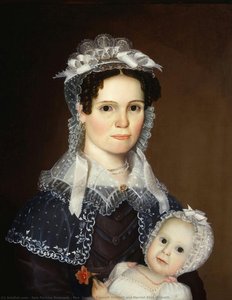
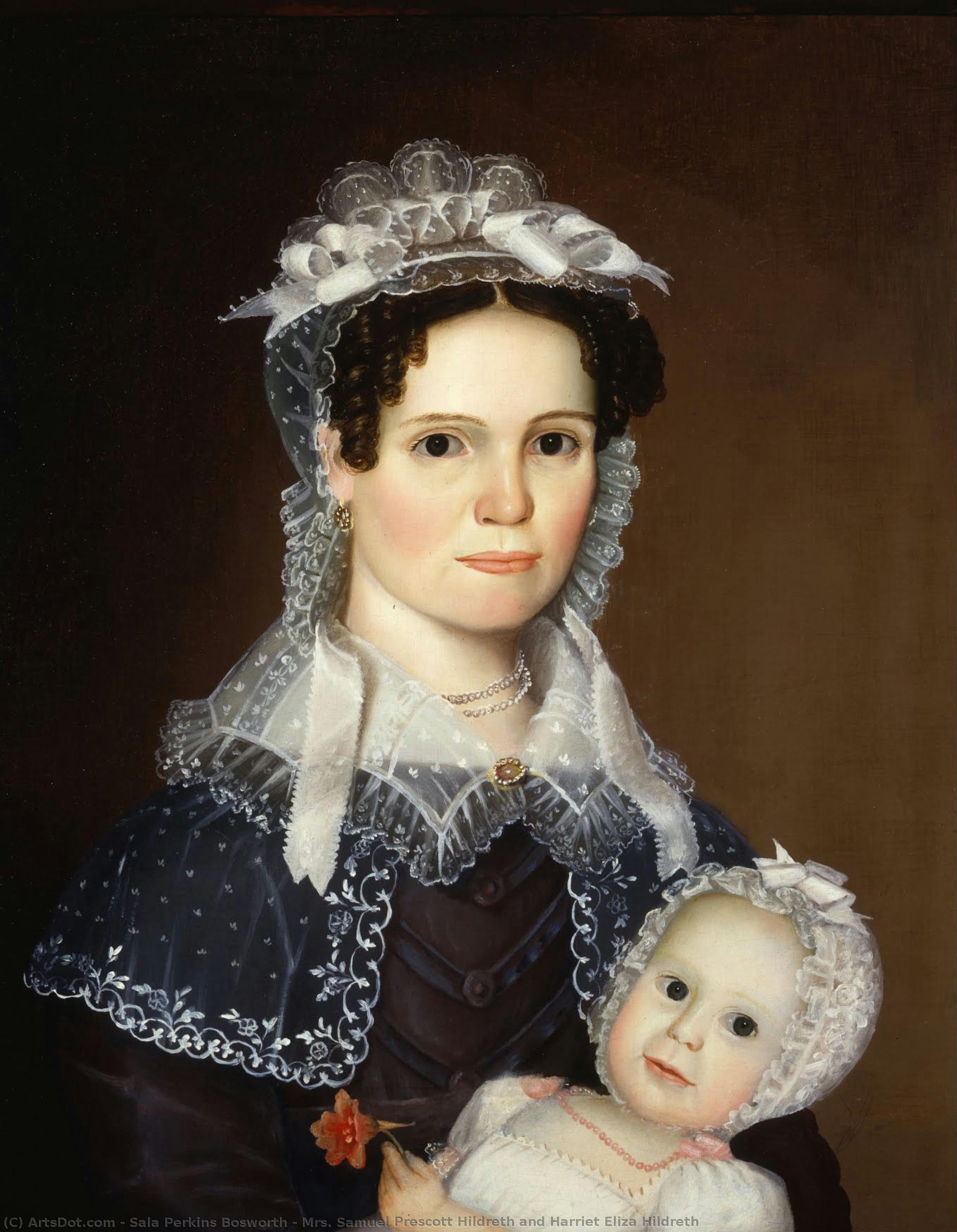
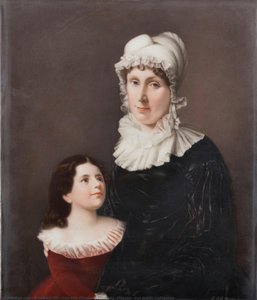
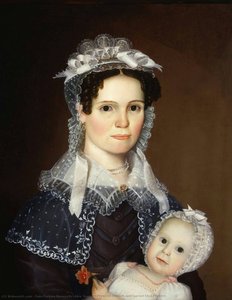
Mrs. Samuel Prescott Hildreth and Harriet Eliza Hildreth

 Read More
Giclée / Art Print
Museum-quality giclée or canvas print with fast production and flexible finish options. ( Buy Hand Made Painting Buy Image)




































Pick from our preset sizes that match the artwork's original proportions.

You may enter your own dimensions to fit a specific frame or space. If your selected size does not match the original image's proportions, we will either crop the artwork or extend the image with a mirrored or solid-fill edge. A digital mockup will be sent for your approval before production begins.
Please note that the on-screen preview does not reflect the actual cropping or extension. Only the mockup will accurately show the final composition.
While custom sizes are available, we recommend selecting a dimension from the predefined list to preserve the original proportions.
Worldwide Delivery () in 2 weeks instead of standard 4/5 weeks. (29 August)

Free Worldwide Express Shipping

High-Quality Linen Canvas

Full Shipping Insurance

Customs Tax Refund Guarantee

True Color Matching Guarantee

60-Day Return Policy (Defects Only)

100% Money-Back Guarantee

Bulk Discount Offer
 Glass option is only available in size under 110 CM

Mrs. Samuel Prescott Hildreth and Harriet Eliza Hildreth
Giclée / Art Print
Reproduction Size
-


Total Price
$ 63
Related Artworks







Artist Biography
Charles Gough: A Romantic Martyr of the Lake District
The story of Charles Gough is a haunting one, inextricably linked to the dramatic beauty and perilous landscapes of the English Lake District. Born in 1784, Gough’s life was tragically cut short in April 1805 during an attempt to scale Helvellyn, a formidable peak within this iconic region. While initially dismissed as a mere accident, his death quickly became imbued with romantic symbolism and fueled speculation about the circumstances surrounding his demise – transforming him into a poignant emblem of youthful ambition, reckless adventure, and the allure of the untamed wilderness. His untimely end resonated deeply with artists and writers of the burgeoning Romantic movement, solidifying his legacy as a martyr for the ideals of freedom, exploration, and the sublime.
Gough’s early life offered little indication of the dramatic fate that awaited him. He was described as a “venturesome person,” prone to taking risks and possessing an insatiable curiosity about the world around him. He had been contracted by a local artist to copy drawings, but his reputation for daring exploits – including a penchant for challenging difficult climbs – raised concerns among those who knew him. The planned ascent of Helvellyn was intended to be guided by a militia man, however, he was unexpectedly detained on parade that day, leaving Gough to undertake the perilous climb alone with his dog, Foxie. The details surrounding his death are shrouded in mystery and fueled by sensationalized accounts; some whispered of raven attacks, while others suggested a deliberate act of self-destruction – theories compounded by the discovery of his hat split in two at the scene.
Early Influences and Artistic Development
While Charles Gough’s artistic career was tragically brief, it reveals an intriguing connection to the broader artistic currents of his time. He initially trained in Lyon and later in Paris, absorbing influences from a variety of sources. His early work demonstrates a clear debt to Jean-Baptiste Greuze, a prominent French painter known for his emotionally charged genre scenes depicting domestic life and moral dilemmas. Like Greuze, Gough focused on capturing intense human experiences – particularly those involving youthful passion, vulnerability, and the complexities of relationships—though he lacked the academic recognition that characterized Greuze’s career.
The influence of Romanticism is palpable in Gough's work, even within its limited scope. The fascination with nature, the exploration of extreme emotions, and the celebration of individual experience – hallmarks of the movement – are all evident in his artistic choices. His decision to undertake a dangerous solo climb on Helvellyn speaks volumes about this inclination toward risk-taking and the pursuit of the sublime—a concept central to Romantic thought that sought to capture the awe-inspiring power and grandeur of nature.
The Mythologization of Death
Following Gough’s death, his story quickly transcended a simple account of an unfortunate accident. It became a potent symbol within the Romantic movement, meticulously crafted by poets and artists who sought to elevate his demise into a grand narrative of sacrifice and artistic martyrdom. The poet Thomas Clarkson, a contemporary of Gough, described him as “a venturesome person” whose headstrong nature had caused alarm among local shepherds. This description, coupled with the dramatic circumstances surrounding his death—the skeletal remains discovered near Red Tarn, the barking of Foxie, and the fragmented hat—created an irresistible image of a young artist consumed by passion and driven to extremes.
Artists like William Wordsworth and Samuel Taylor Coleridge seized upon Gough’s story, transforming it into a central theme in their poetry. Wordsworth's *The Prelude* references Gough’s death as a poignant illustration of the dangers inherent in pursuing romantic ideals without caution or guidance. The sensationalized accounts—the suggestion of raven attacks, the discovery of Foxie with her master’s skeleton—further fueled the mythos, solidifying Gough’s image as a tragic hero sacrificed to the allure of the wild and the pursuit of artistic inspiration.
Legacy and Historical Significance
Charles Gough's legacy is complex and layered. Initially overlooked in his own time, he was posthumously elevated to the status of a Romantic icon—a symbol of youthful idealism, reckless adventure, and the tragic consequences of pursuing one’s passions without restraint. His story served as a powerful allegory for the movement’s core values, highlighting the dangers of unchecked ambition and the seductive power of nature.
Today, Gough remains a fascinating enigma – a young artist whose brief life was cut short by an accident that quickly morphed into a legend. His death continues to resonate with audiences, prompting reflection on the Romantic ideals he embodied and the enduring appeal of tales of tragic heroism in the face of overwhelming odds. ArtsDot’s reproductions offer a tangible connection to this captivating story, allowing viewers to contemplate the life and untimely demise of a man who became, in essence, a symbol of the Romantic spirit itself.
Useful Links
sala perkins bosworth
1805 - 1890 , United States of America
Quick Facts
- Artistic Movement Or Style: Romanticism
- Artists Who Influenced This Artist: ['None],\n "Artists or movements influenced by this artist": [Jean-Baptiste Greuze']
- Date Of Birth: 1784
- Date Of Death: April 1805
- Full Name: Charles Gough
- Nationality: English
- Notable Artworks:
- Striding Edge
- Helvellyn
- Red Tarn
- Place Of Birth: Manchester, England