 Preview
 Send
Send Share
Share
 Details

 Download
 Similars
 X-Ray
X-Ray Diaporama
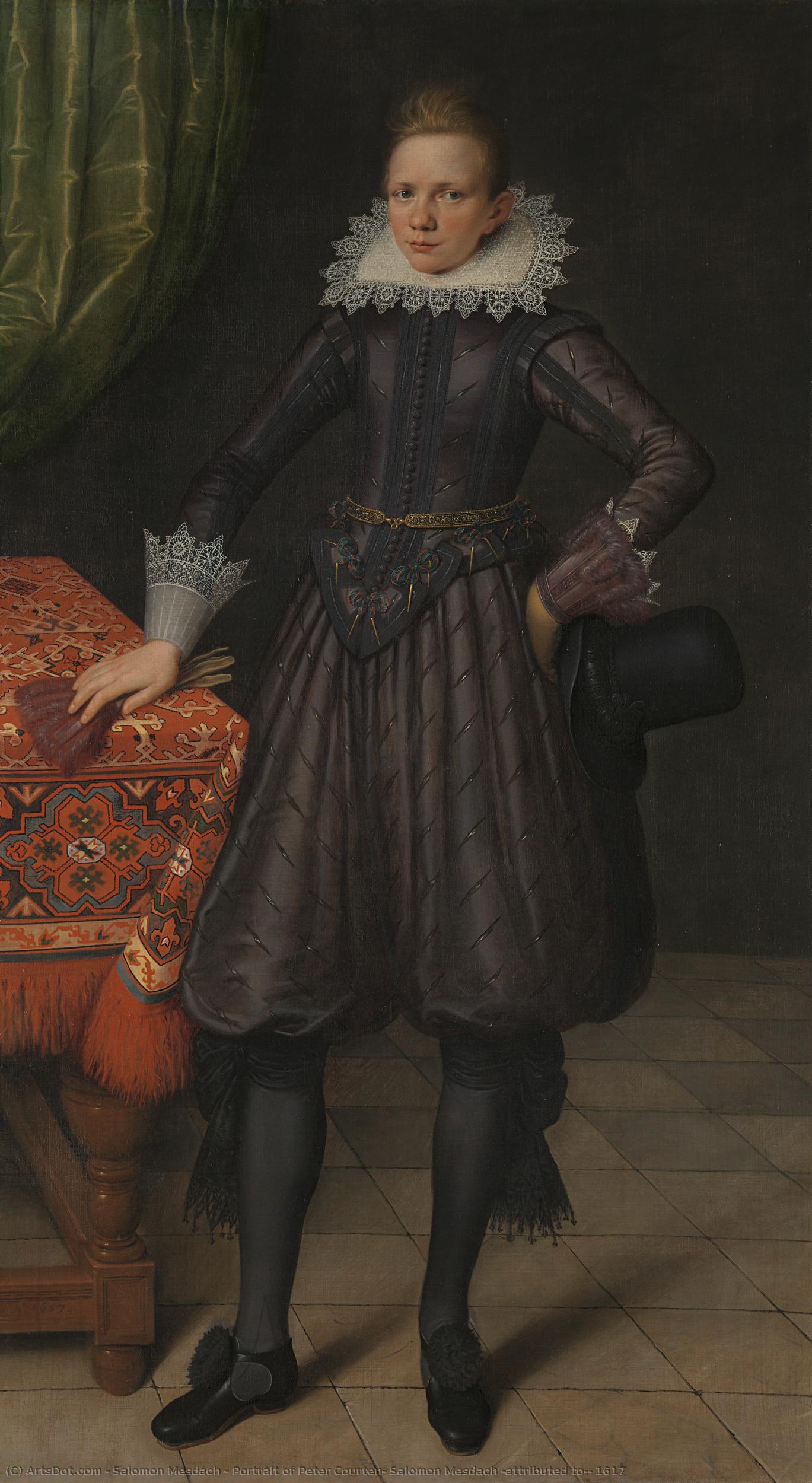
Portrait of Peter Courten, Salomon Mesdach (attributed to), 1617
 1617
1617 192.0 x 107.0 cm
 Read More
Purchase a high-resolution, enhanced digital image, far superior to the online preview.
Each file is meticulously prepared by our in-house specialists using advanced tools and expert manual retouching. We ensure every image has exceptional clarity, precise color accuracy, and fine detail.
The final file is delivered via email within 72 hours, optimized for immediate use in professional, editorial, and print environments. This is the same quality trusted by top-tier design studios, publishers, and galleries.
Digital Image
Download a high-resolution file for personal display, printing, and creative projects. ( Buy Print Buy Hand Made Painting)
Included in Every Digital Image Order
Expert Digital Delivery, Guaranteed
When you choose ArtsDot.com, you're not just getting an image - you're receiving a professionally enhanced digital artwork, crafted with precision and backed by a satisfaction guarantee. Here's everything that comes with your order, automatically:

Fast Email Delivery
Your high-resolution digital image file will be emailed to you within 72 hours of ordering - ready for immediate use.

AI-Enhanced Digital File
Your artwork is professionally optimized using advanced AI tools and manual editing, ensuring maximum detail, clarity, and color accuracy.

Free Lifetime Re-Delivery
Accidentally deleted or lost your file? No worries - we'll resend it to you anytime, free of charge.

No Import Fees - Ever
Enjoy your artwork instantly with zero customs, duties, or delivery fees - digital downloads are always tax-free.

Color Accuracy Guarantee
We ensure your digital image reflects the original colors as closely as possible using professional tools and color management.

60-Day Satisfaction Guarantee
If you're not satisfied with your digital image, we'll revise it or refund 100% within 60 days - no questions asked.

100% Money-Back Guarantee
Not satisfied? Get a full refund within 60 days of receiving your digital file - no questions asked.

Bulk Order Discounts
Buy 3 images, save 10% - Buy 5, save 15% - Buy 10+, save 20%. Great for creative projects, galleries, and agencies.
Related Artworks








Artist Biography
The Enigmatic Brush of Salomon Mesdach (Attributed To)
Salomon Mesdach remains a figure shrouded in the mists of art historical attribution, a name whispered alongside canvases brimming with Dutch Golden Age sensibilities yet lacking definitive biographical anchors. While concrete details regarding his life are scarce – birth and death dates remain largely unknown beyond an active period suggesting activity into the 19th century – the works attributed to him speak volumes about a painter deeply immersed in the traditions of genre painting, particularly those scenes depicting intimate domesticity and the quiet dignity of everyday life. He is often associated with the circle of painters working in or around The Hague, though establishing a firm connection proves elusive. This ambiguity adds an intriguing layer to his oeuvre; each canvas feels like a rediscovered fragment of a forgotten world, prompting speculation about his training, influences, and place within the broader artistic landscape.A Master of Interior Light and Narrative
The paintings consistently attributed to Mesdach are characterized by a remarkable sensitivity to light – not the dramatic chiaroscuro favored by some contemporaries, but rather a soft, diffused illumination that bathes interiors in a warm, inviting glow. This mastery allows him to render textures with exquisite detail: the sheen of polished pewter, the delicate folds of linen, the subtle gradations of color in a woman’s dress. More than mere technical skill, however, Mesdach demonstrates an exceptional ability to imbue these scenes with narrative depth. His subjects are rarely grand or overtly dramatic; instead, he focuses on moments of quiet contemplation – a mother reading to her children, a family sharing a meal, a solitary figure lost in thought. These are not staged tableaux but glimpses into the lived experiences of ordinary people, rendered with empathy and psychological insight. The compositions often feature carefully arranged objects that subtly hint at deeper meanings, inviting viewers to contemplate the lives unfolding within these domestic spaces.Influences and Artistic Lineage
Pinpointing Mesdach’s direct influences is a complex undertaking, given the lack of documented connections. However, scholars frequently note stylistic affinities with painters such as Pieter de Hooch and Jan Steen – masters renowned for their depictions of Dutch interiors and genre scenes. Like De Hooch, Mesdach exhibits a keen eye for architectural perspective and a talent for capturing the play of light on surfaces. The influence of Steen can be seen in the subtle humor and anecdotal details that occasionally surface in his work, though Mesdach generally avoids Steen’s more boisterous and overtly comedic tendencies.- The meticulous detail and realistic rendering suggest an awareness of the Leiden tradition
- A preference for harmonious color palettes points to a possible familiarity with the works of Gabriel Metsu.
- His focus on domestic interiors aligns him with the broader trend of Dutch Realism, which sought to depict the world as it was, without idealization or embellishment.