

 Preview
 Send
Send Share
Share
 Details

 Download
 Similars
 X-Ray
X-Ray Diaporama
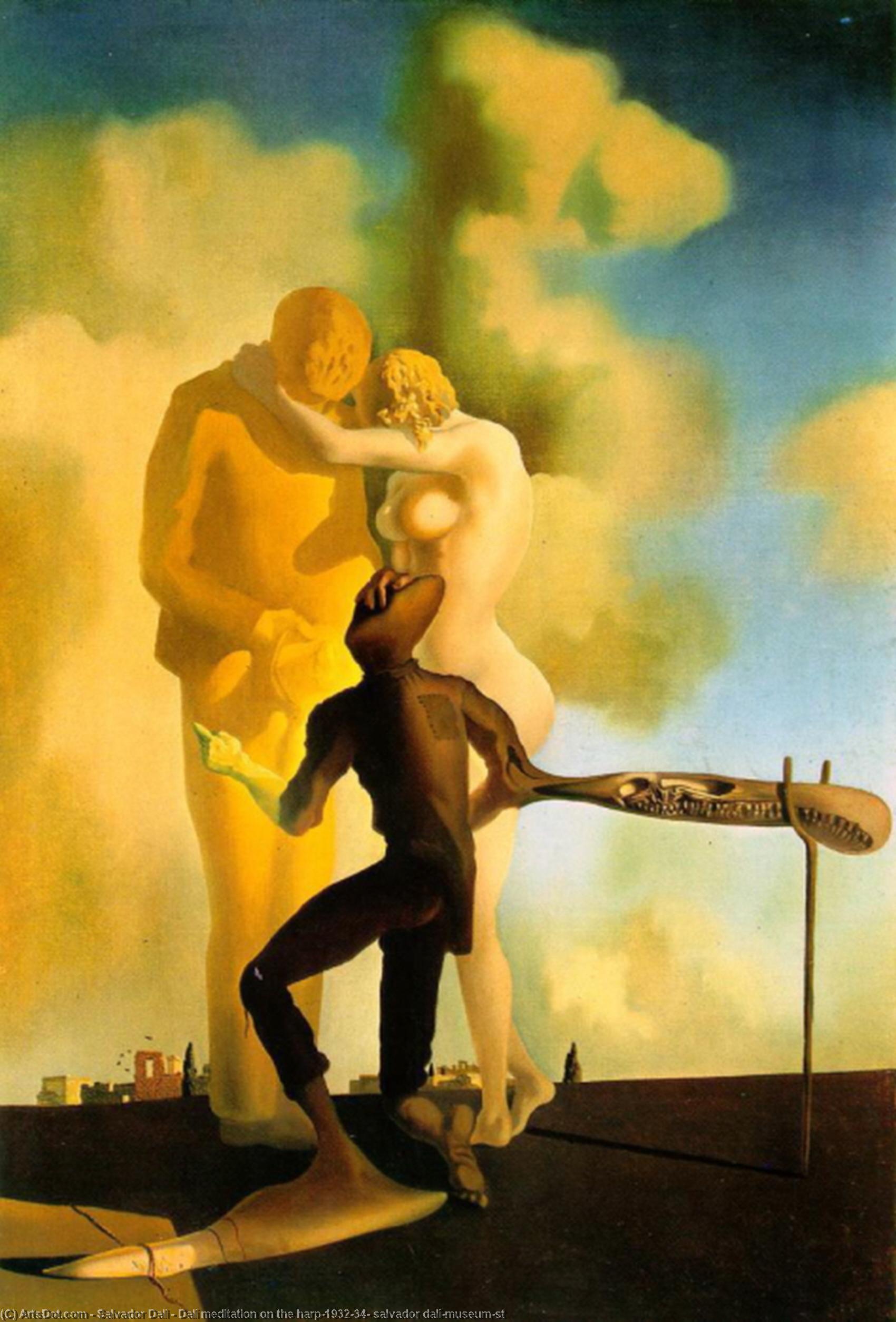
Dalí meditation on the harp,1932-34, salvador dalí-museum,st

 Read More
Purchase a high-resolution, enhanced digital image, far superior to the online preview.
Each file is meticulously prepared by our in-house specialists using advanced tools and expert manual retouching. We ensure every image has exceptional clarity, precise color accuracy, and fine detail.
The final file is delivered via email within 72 hours, optimized for immediate use in professional, editorial, and print environments. This is the same quality trusted by top-tier design studios, publishers, and galleries.
Digital Image
Download a high-resolution file for personal display, printing, and creative projects. ( Buy Print Buy Hand Made Painting)
Included in Every Digital Image Order
Expert Digital Delivery, Guaranteed
When you choose ArtsDot.com, you're not just getting an image - you're receiving a professionally enhanced digital artwork, crafted with precision and backed by a satisfaction guarantee. Here's everything that comes with your order, automatically:

Fast Email Delivery
Your high-resolution digital image file will be emailed to you within 72 hours of ordering - ready for immediate use.

AI-Enhanced Digital File
Your artwork is professionally optimized using advanced AI tools and manual editing, ensuring maximum detail, clarity, and color accuracy.

Free Lifetime Re-Delivery
Accidentally deleted or lost your file? No worries - we'll resend it to you anytime, free of charge.

No Import Fees - Ever
Enjoy your artwork instantly with zero customs, duties, or delivery fees - digital downloads are always tax-free.

Color Accuracy Guarantee
We ensure your digital image reflects the original colors as closely as possible using professional tools and color management.

60-Day Satisfaction Guarantee
If you're not satisfied with your digital image, we'll revise it or refund 100% within 60 days - no questions asked.

100% Money-Back Guarantee
Not satisfied? Get a full refund within 60 days of receiving your digital file - no questions asked.

Bulk Order Discounts
Buy 3 images, save 10% - Buy 5, save 15% - Buy 10+, save 20%. Great for creative projects, galleries, and agencies.
Collectible Description
Dalí Meditation on the Harp – A Surrealist Reverie
Salvador Dalí’s “Meditation on the Harp,” painted in 1934, stands as a quintessential example of his singular artistic vision—a mesmerizing blend of dreamlike landscapes and meticulously crafted symbolism that continues to captivate audiences today. This oil painting resides within the esteemed Reynolds Morse Foundation collection in Cleveland, offering visitors an unparalleled opportunity to experience one of Dalí’s most iconic works firsthand.The Landscape: Echoes of Catalonia
The canvas depicts a desolate Catalan landscape bathed in muted hues—primarily ochre and grey—creating an atmosphere of profound stillness and melancholy. Twisted rock formations dominate the foreground, resembling skeletal hands reaching upwards towards a hazy sky. These rocky protrusions aren’t merely geological features; they are imbued with Dalí's characteristic preoccupation with duality and transformation, mirroring the subconscious mind grappling with unresolved anxieties. The sparse vegetation adds to the sense of isolation, emphasizing the painting’s contemplative mood.The Harpist Figure: A Symbol of Memory and Reflection
Dominating the center of the composition is a solitary figure—a man holding a harp—positioned amidst this barren terrain. His posture exudes quiet contemplation; he appears lost in thought, gazing upwards as if attempting to commune with the heavens. The harp itself serves as a potent symbol – representing harmony, remembrance, and the melancholic beauty of fading memories. Dalí’s masterful rendering captures not just physical form but also an intangible essence of inner experience.Technique and Style: Precision Within Chaos
Dalí's technique is characterized by meticulous detail combined with an unsettling fluidity—a hallmark of Surrealism. He employs a glazing method, layering thin washes of color over textured surfaces to achieve remarkable luminosity and depth. The brushstrokes are deliberate yet subtly distorted, contributing to the painting’s dreamlike quality. This careful control contrasts sharply with the chaotic arrangement of elements within the landscape, creating a dynamic tension that underscores Dalí's exploration of irrationality and subconscious impulses.Historical Context: Surrealism at Its Zenith
“Meditation on the Harp” emerged during Dalí’s peak period as a Surrealist artist—a movement born from the fertile ground of psychoanalysis and fueled by a desire to liberate art from rational constraints. Influenced by Sigmund Freud's theories about dreams and the unconscious, Dalí sought to depict inner realities rather than external appearances. The painting reflects the broader Surrealist preoccupation with exploring hidden desires, anxieties, and fantasies—a reaction against the perceived limitations of Western artistic conventions.Emotional Resonance: A Portrait of Inner Turmoil
Ultimately, “Meditation on the Harp” transcends mere visual representation; it communicates a profound emotional resonance. It evokes feelings of solitude, introspection, and perhaps even grief – mirroring Dalí’s own personal struggles with loss and trauma. The painting invites viewers to contemplate themes of mortality, memory, and the elusive nature of consciousness—leaving them with an enduring impression of beauty tinged with melancholy.Related Artworks
Artist Biography
A Life Submerged in Dreams: The World of Salvador Dalí
Salvador Domingo Felipe Jacinto Dalí i Domènech, a name synonymous with surrealism, was born on May 11, 1904, in the sun-drenched town of Figueres, Spain. His existence was destined to be anything but ordinary, a life meticulously crafted as a performance, an exploration of the subconscious rendered visible through startling imagery and technical brilliance. The shadow of loss loomed early; his older brother, also named Salvador, had died just nine months before Dalí’s birth, a trauma that would permeate his art with themes of duality and replacement. This formative experience, coupled with a complex relationship with his stern yet pragmatic father and the indulgent affection of his mother, shaped a personality both flamboyant and deeply introspective. From a young age, Dalí demonstrated an exceptional artistic talent, nurtured through formal training at the San Fernando Academy of Fine Arts in Madrid. However, it was a pivotal encounter with modern painting – particularly the works of Impressionists and Renaissance masters – that ignited within him a fervent desire to break from tradition and forge his own unique path.
The Crucible of Paris and the Birth of a Surrealist Vision
A journey to Paris in 1926 proved transformative, immersing Dalí in the heart of the avant-garde movement. He found himself drawn to the rebellious spirit of Dadaism, its rejection of logic and embrace of absurdity resonating with his own burgeoning artistic inclinations. More importantly, it was in Paris that he fully embraced Surrealism, connecting with key figures like André Breton, Pablo Picasso – whom Dalí deeply revered – and Joan Miró. This encounter wasn’t merely an adoption of a style; Dalí revolutionized the movement itself. He developed what he termed the “paranoiac-critical method,” a self-induced state of paranoia designed to unlock the hidden imagery of the subconscious mind. This technique allowed him to translate dreams, anxieties, and deeply personal symbols onto canvas with startling clarity and meticulous detail. The result was a world populated by melting clocks, elongated shadows, distorted figures, and bizarre juxtapositions – hallmarks of his instantly recognizable style. The Persistence of Memory, completed in 1931, remains perhaps his most iconic work, encapsulating the Surrealist exploration of time’s fluidity, the fragility of memory, and the inevitability of decay.
Beyond the Canvas: A Prolific and Multifaceted Artist
Dalí's creative output extended far beyond painting. He was a remarkably prolific artist, venturing into sculpture, film – notably collaborations with Alfred Hitchcock in Spellbound and Walt Disney – graphic arts, jewelry design, and even stage sets. His fascination wasn’t limited to traditional artistic mediums; he explored the boundaries of commercial art, designing advertisements and window displays. Recurring motifs permeated his work: ants symbolizing decay, eggs representing pre-natal life and hope, crutches signifying support and fragility, drawers hinting at hidden secrets, and melting objects embodying the instability of reality. These symbols weren’t arbitrary; they were deeply personal, rooted in his own anxieties, desires, and memories. Works like Juliet's Tomb, a poignant exploration of loss, Mannequin (Barcelona Mannequin), reflecting an obsession with artificiality and identity, and Landscape with Flies, a disturbing depiction of mortality, demonstrate the breadth and depth of his thematic concerns. His meticulous technique, honed through years of practice, allowed him to render these fantastical visions with photographic realism, further amplifying their unsettling power.
Eccentricity, Legacy, and Enduring Influence
Throughout his life, Dalí cultivated a persona as flamboyant and eccentric as his art. He embraced self-promotion, understanding the power of spectacle in capturing public attention. His marriage to Gala Éluard in 1934 was pivotal, not only personally but artistically; she became his muse, business manager, and unwavering supporter. While his later years were marked by increasing commercial ventures and a sometimes controversial embrace of the Francoist regime, his artistic legacy remains immense. He died on January 23, 1989, leaving behind a body of work that continues to challenge, provoke, and inspire. The Salvador Dalí Museum in St. Petersburg, Florida, stands as a testament to his enduring appeal, housing an extensive collection that allows visitors to immerse themselves in the world of this extraordinary artist. Dalí transcended the boundaries of art, becoming a cultural icon whose influence can be seen in fashion, film, advertising, and popular culture. He remains one of the most recognizable and influential artists of the 20th century—a true visionary who dared to explore the depths of the subconscious and translate its mysteries onto canvas for all the world to see.
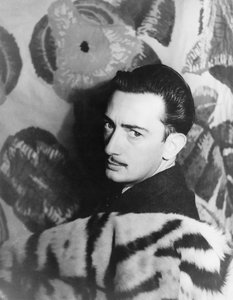
Salvador Dalí
1904 - 1989 , Spain
Quick Facts
- Artistic Movement Or Style: Surrealism
- Artists Or Movements Influenced By This Artist:
- Pop art
- Contemporary artists
- Artists Who Influenced This Artist:
- Cubism
- Dada
- Pablo Picasso
- Date Of Birth: May 11, 1904
- Date Of Death: January 23, 1989
- Full Name: Salvador Domingo Felipe Jacinto Dalí i Domènech
- Nationality: Spanish
- Notable Artworks:
- Persistence of Memory
- Juliet's Tomb
- Mannequin
- Landscape with Flies
- The Angelus of Gala
- Place Of Birth (City And Country): Figueres, Spain

