

 Preview
 Send
Send Share
Share
 Details

 Download
 Similars
 X-Ray
X-Ray Diaporama
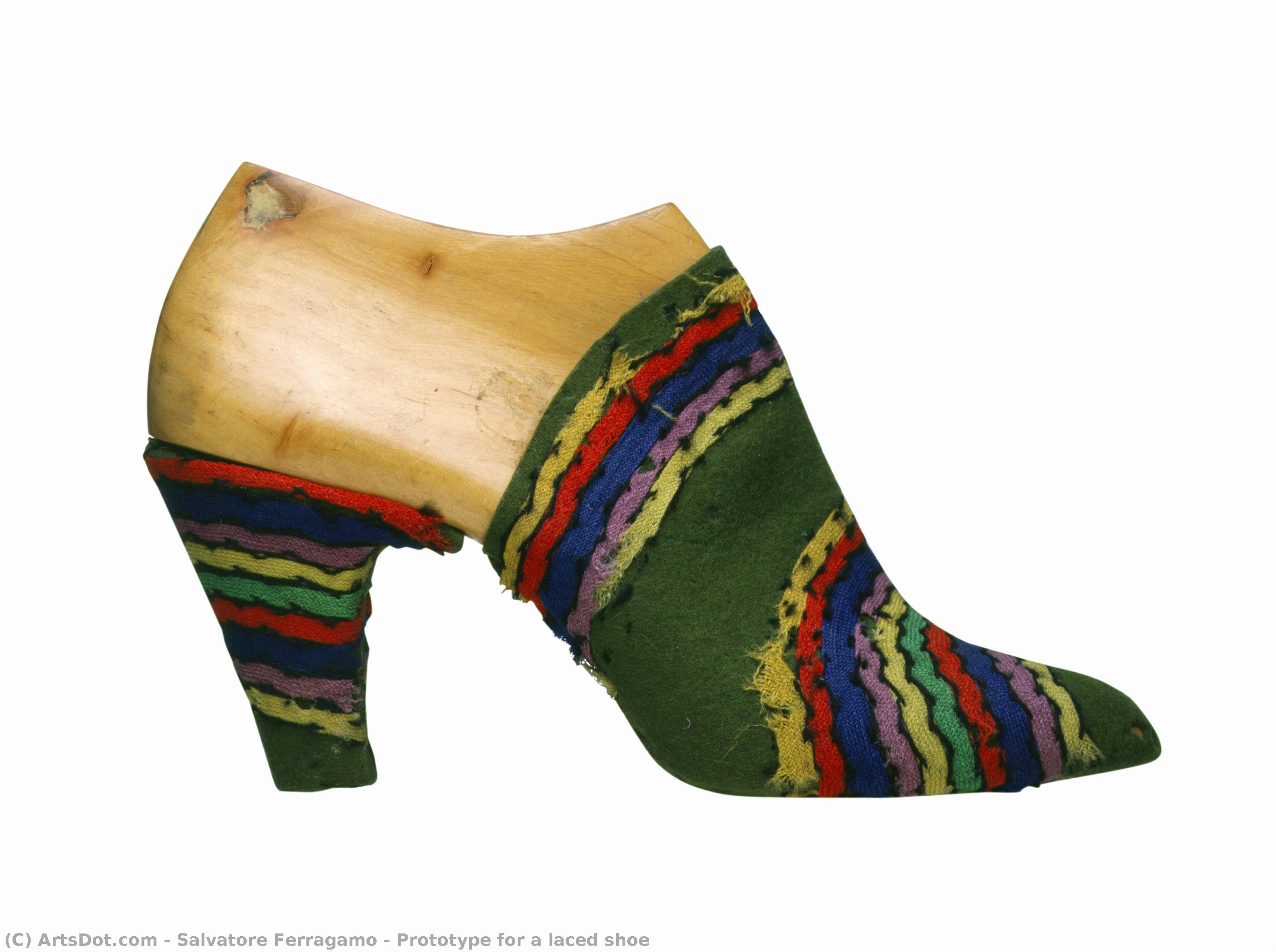
Prototype for a laced shoe


 Read More
Purchase a high-resolution, enhanced digital image, far superior to the online preview.
Each file is meticulously prepared by our in-house specialists using advanced tools and expert manual retouching. We ensure every image has exceptional clarity, precise color accuracy, and fine detail.
The final file is delivered via email within 72 hours, optimized for immediate use in professional, editorial, and print environments. This is the same quality trusted by top-tier design studios, publishers, and galleries.
Digital Image
Download a high-resolution file for personal display, printing, and creative projects. ( Buy Print Buy Hand Made Painting)
Included in Every Digital Image Order
Expert Digital Delivery, Guaranteed
When you choose ArtsDot.com, you're not just getting an image - you're receiving a professionally enhanced digital artwork, crafted with precision and backed by a satisfaction guarantee. Here's everything that comes with your order, automatically:

Fast Email Delivery
Your high-resolution digital image file will be emailed to you within 72 hours of ordering - ready for immediate use.

AI-Enhanced Digital File
Your artwork is professionally optimized using advanced AI tools and manual editing, ensuring maximum detail, clarity, and color accuracy.

Free Lifetime Re-Delivery
Accidentally deleted or lost your file? No worries - we'll resend it to you anytime, free of charge.

No Import Fees - Ever
Enjoy your artwork instantly with zero customs, duties, or delivery fees - digital downloads are always tax-free.

Color Accuracy Guarantee
We ensure your digital image reflects the original colors as closely as possible using professional tools and color management.

60-Day Satisfaction Guarantee
If you're not satisfied with your digital image, we'll revise it or refund 100% within 60 days - no questions asked.

100% Money-Back Guarantee
Not satisfied? Get a full refund within 60 days of receiving your digital file - no questions asked.

Bulk Order Discounts
Buy 3 images, save 10% - Buy 5, save 15% - Buy 10+, save 20%. Great for creative projects, galleries, and agencies.
Collectible Description
Prototype for a Laced Shoe – A Vision of Futurism in Leather
Salvatore Ferragamo’s “Prototype for a Laced Shoe,” created in 1938, transcends mere footwear; it embodies the spirit of Italian Futurism and represents a pivotal moment in the designer's artistic evolution. This unassuming brown suede shoe, adorned with a vibrant rainbow sock crafted from fabric—a bold juxtaposition against the muted tones of leather—is more than just an object of fashion; it’s a carefully considered statement about innovation and embracing the dynamism of the modern age.The Futurist Influence: Embracing Speed and Dynamism
Ferragamo, deeply influenced by the avant-garde movement championed by Filippo Tommaso Marinetti, sought to reject traditional craftsmanship in favor of geometric forms and expressive color palettes. Futurism rejected nostalgia for the past, celebrating speed, technology, and industrial progress—themes that resonated powerfully with Ferragamo’s desire to push boundaries within the realm of design. The shoe's simplified silhouette reflects this ethos, prioritizing streamlined lines and minimizing ornamentation. It deliberately eschews fussy embellishments, opting instead for a deliberate austerity that underscores its conceptual intent.Technique and Materiality: Precision Craftsmanship Meets Bold Color
The execution of “Prototype for a Laced Shoe” demonstrates Ferragamo’s mastery of leatherworking techniques combined with an unexpected infusion of color. The suede upper is meticulously sculpted to achieve a subtly curved profile, highlighting the shoe's form while maintaining a minimalist aesthetic. Skilled artisans painstakingly applied the dye, resulting in a rich brown hue that contrasts beautifully with the kaleidoscopic rainbow sock—a deliberate provocation against conventional notions of elegance. This chromatic contrast isn’t merely decorative; it symbolizes Ferragamo’s embrace of artistic experimentation and his willingness to challenge established conventions.Historical Context: Hollywood Glamour Amidst Artistic Revolution
Created during a period marked by significant cultural upheaval – the rise of Fascist Italy and the burgeoning influence of Hollywood glamour – “Prototype for a Laced Shoe” captures the zeitgeist of its time. Ferragamo’s studio was at the forefront of adapting Italian artistic sensibilities to the demands of international fashion, mirroring the broader trend toward embracing new ideas and aesthetics. The shoe's design speaks to the optimism and dynamism of the era, reflecting Ferragamo’s belief in the transformative power of art and innovation.Symbolism: Beyond Functionality – An Expression of Artistic Vision
More than just a comfortable shoe, “Prototype for a Laced Shoe” serves as a visual metaphor for Ferragamo's artistic philosophy. The rainbow sock represents vibrancy, imagination, and a rejection of rigid formalism—values antithetical to the conservative sensibilities of the time. By juxtaposing these elements, Ferragamo asserts that beauty can be found in unexpected combinations and that true artistry lies in challenging preconceived notions about form and function. It’s a testament to Ferragamo's conviction that design should inspire wonder and provoke contemplation.Emotional Impact: A Legacy of Elegance and Innovation
Today, “Prototype for a Laced Shoe” continues to captivate viewers with its understated elegance and bold conceptual underpinning. Its enduring appeal stems from Ferragamo’s ability to fuse technical precision with artistic vision—a feat that solidified his reputation as one of the most influential designers of the 20th century. Examining this remarkable piece reveals not only a masterful demonstration of craftsmanship but also a profound reflection on the role of art in shaping cultural narratives and celebrating the boundless possibilities of creative expression. It remains an emblem of Ferragamo’s unwavering commitment to pushing boundaries and redefining what constitutes beauty within the world of fashion.Related Artworks
Artist Biography
A Legacy Forged in Leather: The Life and Vision of Salvatore Ferragamo
Salvatore Ferragamo, a name synonymous with elegance, innovation, and the golden age of Hollywood glamour, was born into humble beginnings in 1898 in Bonito, Italy. Far from the glittering world he would come to define, young Salvatore’s early life was steeped in rural simplicity, yet it was here that his extraordinary journey began. The eleventh of fourteen children, he displayed an innate fascination with shoemaking, spending countless hours observing the local cobbler – a craft initially discouraged by his father who considered it a trade of low social standing. However, young Salvatore’s passion proved unyielding; at just nine years old, he crafted his first pair of shoes for his sister's First Communion, a testament to his burgeoning talent and determination. This act wasn’t merely the creation of footwear; it was the forging of a destiny. It signaled the birth of an artistic vision that would reshape the landscape of fashion.From Boston to Hollywood: A Transatlantic Ascent
Driven by ambition, Ferragamo emigrated to America in 1915, joining his brothers in Boston before eventually gravitating towards the burgeoning film industry of California. This move proved pivotal. He initially established a repair shop, but quickly recognized an unmet need for exquisitely crafted footwear tailored to the demands of the silver screen. Hollywood’s stars – Lillian Gish, Mary Pickford, and soon, countless others – became his devoted clientele. Ferragamo wasn't simply making shoes; he was crafting illusions, enhancing the on-screen personas that captivated a nation. He understood the power of visual storytelling and how footwear could contribute to a character’s narrative. This understanding led him to study anatomy at the University of Southern California, believing that true comfort and elegance stemmed from a deep comprehension of the foot's structure. His innovative use of steel shanks for arch support revolutionized shoe construction, prioritizing both aesthetics and well-being – a hallmark of his design philosophy.Returning Home: Florentine Renaissance and Artistic Flourishing
In 1927, Ferragamo returned to his native Italy, settling in Florence—a city steeped in artistic tradition and craftsmanship. He established a workshop that quickly became a laboratory for innovation. Despite facing financial hardship during the Great Depression, filing for bankruptcy in 1933, he persevered, driven by an unwavering belief in his vision. Re-establishing his business in 1938 within the historic Palazzo Spini Feroni, Ferragamo embarked on a period of prolific creativity. He fearlessly experimented with unconventional materials – cork, fish skin, even metal – pushing the boundaries of what was considered possible in shoemaking. This willingness to challenge convention became his signature. His designs weren’t merely functional objects; they were sculptural works of art, reflecting a deep appreciation for history and an audacious spirit of modernity. The iconic wedge heel, born from wartime material shortages, stands as a testament to his resourcefulness and ingenuity, earning him the prestigious Neiman Marcus Award in 1947.A Lasting Impression: Legacy and Influence
Salvatore Ferragamo’s impact extends far beyond the realm of footwear. He founded Salvatore Ferragamo S.p.A., a luxury goods empire that continues to thrive today, operating hundreds of boutiques worldwide. While celebrated for his designs for Hollywood icons like Marilyn Monroe – he created her signature stiletto heel – and Audrey Hepburn, his influence resonates in contemporary fashion. His commitment to anatomical comfort, innovative materials, and sculptural forms paved the way for generations of designers. The Ferragamo Museum in Florence serves as a living tribute to his legacy, showcasing not only his groundbreaking shoe designs but also his broader artistic interests, including collections like La Collezione Bonello (Malta) and the Palumbo-Fossati Collection (Venice). His work transcends mere fashion; it is a celebration of artistry, innovation, and the enduring power of Italian craftsmanship. Though he passed away in 1960, Salvatore Ferragamo’s spirit continues to inspire, reminding us that true style lies not just in what we wear, but in the story it tells.Notable Works & Collections
- Pollicino: A vibrant Pop Art shoe sculpture showcasing bold color and playful design.
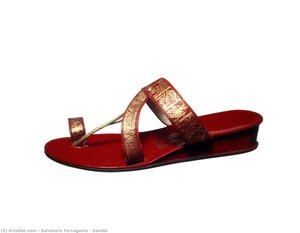
- Sandal (1952): An iconic example of luxurious craftsmanship and geometric design, embodying the elegance of the era.
- Prototipo di sandalo (1938): A stunning antique shoe demonstrating intricate embroidery and artisanal skill.
- La Collezione Bonello (Malta): A curated collection featuring works by masters like Caravaggio and Alberto Morrocco, reflecting Ferragamo’s appreciation for fine art.
- The Palumbo-Fossati Collection (Venice, Italy): A renowned assembly of European paintings spanning centuries, highlighting Ferragamo's broader cultural interests.

Salvatore Ferragamo
1898 - 1960 , Italy
Quick Facts
- Artistic Movement Or Style: Fashion design
- Artists Or Movements Influenced By This Artist: Shoe designers
- Date Of Birth: June 5, 1898
- Date Of Death: August 7, 1960
- Full Name: Salvatore Ferragamo
- Nationality: Italian
- Notable Artworks:
- Pollicino
- Sandal
- Prototipo di sandalo.
- Place Of Birth: Bonito, Italy

