

 Send
Send Share
Share
 Details

 Download
 Similars
 Diaporama
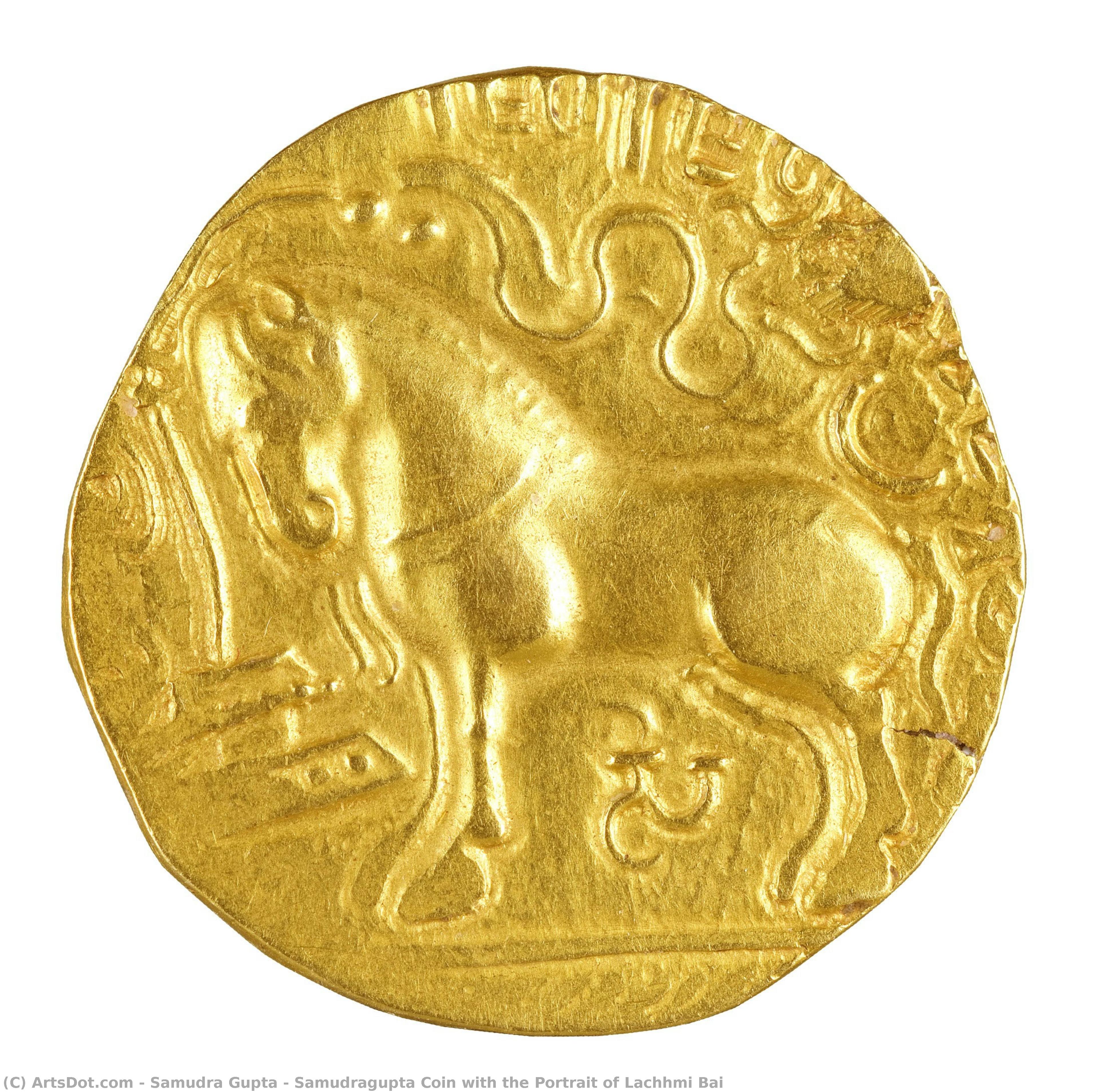
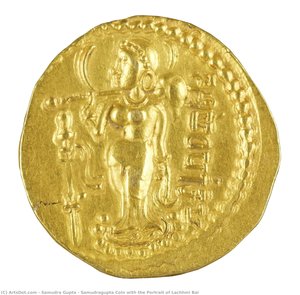
Samudragupta Coin with the Portrait of Lachhmi Bai


 Read More
Purchase a high-resolution, enhanced digital image, far superior to the online preview.
Each file is meticulously prepared by our in-house specialists using advanced tools and expert manual retouching. We ensure every image has exceptional clarity, precise color accuracy, and fine detail.
The final file is delivered via email within 72 hours, optimized for immediate use in professional, editorial, and print environments. This is the same quality trusted by top-tier design studios, publishers, and galleries.
Digital Image
Download a high-resolution file for personal display, printing, and creative projects. ( Buy Print Buy Hand Made Painting)
Included in Every Digital Image Order
Expert Digital Delivery, Guaranteed
When you choose ArtsDot.com, you're not just getting an image - you're receiving a professionally enhanced digital artwork, crafted with precision and backed by a satisfaction guarantee. Here's everything that comes with your order, automatically:

Fast Email Delivery
Your high-resolution digital image file will be emailed to you within 72 hours of ordering - ready for immediate use.

AI-Enhanced Digital File
Your artwork is professionally optimized using advanced AI tools and manual editing, ensuring maximum detail, clarity, and color accuracy.

Free Lifetime Re-Delivery
Accidentally deleted or lost your file? No worries - we'll resend it to you anytime, free of charge.

No Import Fees - Ever
Enjoy your artwork instantly with zero customs, duties, or delivery fees - digital downloads are always tax-free.

Color Accuracy Guarantee
We ensure your digital image reflects the original colors as closely as possible using professional tools and color management.

60-Day Satisfaction Guarantee
If you're not satisfied with your digital image, we'll revise it or refund 100% within 60 days - no questions asked.

100% Money-Back Guarantee
Not satisfied? Get a full refund within 60 days of receiving your digital file - no questions asked.

Bulk Order Discounts
Buy 3 images, save 10% - Buy 5, save 15% - Buy 10+, save 20%. Great for creative projects, galleries, and agencies.
Collectible Description
The Echoes of Empire: Samudragupta's Golden Narrative
To gaze upon this magnificent piece is to hold a fragment of history itself, a tangible whisper from the zenith of ancient Indian power. This depiction, inspired by the coinage associated with Samudragupta, transcends mere numismatics; it is a miniature masterpiece of imperial propaganda and profound artistry. While the coin itself served as a declaration of dominion, its enduring visual quality allows us today to connect with the sophisticated aesthetic sensibilities of the Gupta era. The gold medium lends an inherent luminosity, catching the light and seeming to pulse with the glory of the empire it represents.
A Study in Motion: Symbolism on Gold
The central focus draws the eye immediately to the depiction of the horse. It is not a static portrait but one captured mid-stride—a powerful embodiment of kinetic energy and unstoppable momentum. In the iconography of ancient India, the horse has always been more than an animal; it symbolizes victory, swiftness, and the conquering spirit. Paired with the regal context suggested by Samudragupta’s reign, this galloping form speaks volumes about military prowess and the vast reach of his influence. The intricate detailing etched into the gold surface suggests a mastery of metallurgy combined with profound symbolic understanding.
Artistic Technique and Craftsmanship
The technique employed in creating such an artifact—or its exquisite reproduction—is breathtakingly complex. The high polish and the deep relief carving speak to the skill of master artisans who worked under the patronage of emperors. The contrast between the rich, warm tones of the gold against the stark white background is deliberate, maximizing visual impact. This careful juxtaposition ensures that every curve of the horse’s musculature and every minute detail of the coin's border are presented with crystalline clarity, inviting close contemplation from any admirer of fine decorative arts.
Historical Resonance for the Modern Collector
For the collector or designer seeking an object imbued with narrative weight, this piece offers unparalleled depth. It connects the modern interior space to the grandeur of classical Indian civilization. Owning a reproduction inspired by Samudragupta’s coinage is not merely decorating; it is curating a dialogue across millennia. It evokes the majesty of Chandragupta I's legacy and the subsequent golden age that followed, offering an aura of timeless authority and cultural richness to any room.
Related Artworks
Artist Biography
The Imperial Vision of Samudra Gupta: A Legacy Etched in Coinage
Samudra Gupta, a name resonating through the annals of ancient India, stands as a testament to power, artistry, and strategic brilliance. Born in Patna, within the heart of what would become a flourishing Gupta empire, his life unfolded not merely as a reign but as an epoch-defining narrative. While direct paintings or sculptures attributable solely to Samudra Gupta remain elusive – a common fate for rulers of antiquity whose focus lay on patronage rather than personal artistic creation – his legacy is powerfully and uniquely preserved through the exquisite coin portraits commissioned during his rule. These are not simply representations of a king; they are carefully constructed statements of imperial authority, religious devotion, and cultural sophistication. He was the son of Chandragupta I and Kumaradevi, inheriting a kingdom poised for expansion and transforming it into an empire that dominated much of the Indian subcontinent.A Ruler as Patron: The Art of Self-Representation
Samudra Gupta’s artistic influence wasn't wielded through brushstrokes but through the meticulous control of his image. He understood the potent symbolism embedded within coinage, transforming a functional object into a powerful tool for propaganda and self-glorification. Unlike earlier rulers who often employed generic iconography, Samudra Gupta’s coins showcase remarkably consistent and detailed portraits of himself. These depictions are not idealized in the manner of divine representations; instead, they present a strikingly realistic portrayal of the emperor – strong jawline, determined gaze, and often adorned with royal regalia. The reverse sides of these coins frequently feature symbolic imagery reflecting his military victories, religious beliefs, and the extent of his dominion. The Ashvamedha horse sacrifice, a cornerstone of ancient Indian imperial legitimacy, is prominently depicted on many issues, visually proclaiming his sovereignty. This deliberate artistic strategy served to solidify his power base and project an image of unwavering authority across his vast empire.Military Conquests & Cultural Flourishing: The Context of Creation
To understand Samudra Gupta’s art, one must appreciate the context of his extraordinary life. He was a formidable military leader who embarked on a series of campaigns that dramatically expanded the Gupta Empire. His conquests weren't simply about territorial acquisition; they were carefully planned to consolidate power and eliminate rivals. The Allahabad Pillar inscription provides detailed accounts of these victories, revealing a ruler who skillfully combined strategic warfare with diplomatic maneuvering. This period of expansion wasn’t solely defined by military prowess. Samudra Gupta was also a patron of the arts, fostering a cultural renaissance within his empire. Poetry, music, and religious scholarship flourished under his reign, creating an environment where artistic expression thrived. The coins, therefore, are not isolated artifacts but rather reflections of this broader cultural blossoming – testaments to a ruler who valued both power and refinement.Influences & Artistic Style: A Synthesis of Tradition
While Samudra Gupta’s coin portraits represent a distinct artistic style, they weren't created in isolation. They draw upon established traditions of ancient Indian art, particularly the Kushan coinage which featured realistic portraiture and symbolic imagery. However, he moved beyond mere imitation, imbuing his coins with a unique sense of imperial grandeur and personal authority. The emphasis on realism, coupled with the consistent depiction of royal regalia, sets his coinage apart from earlier examples.- Kushan Coinage: Provided a foundation for realistic portraiture.
- Mauryan Art: Influenced the use of symbolic imagery to convey power and authority.
- Local Artistic Traditions: Incorporated regional styles, reflecting the diverse nature of his empire.
Historical Significance & Enduring Legacy
Samudra Gupta’s reign marked a pivotal moment in Indian history. He laid the foundation for the Golden Age of the Gupta Empire, a period characterized by unprecedented cultural and economic prosperity. His son, Chandragupta II, continued his expansionist policies, further solidifying the empire's dominance. However, it is Samudra Gupta who is often credited with initiating this era of greatness. The coins he commissioned serve as invaluable historical sources, providing insights into his military campaigns, religious beliefs, and artistic sensibilities. More than just currency, they are powerful artifacts that offer a glimpse into the mind of an emperor – a ruler who understood the art of self-representation and used it to shape his legacy for centuries to come. His influence continues to be felt today, inspiring artists, historians, and leaders alike with his vision of power, artistry, and cultural refinement.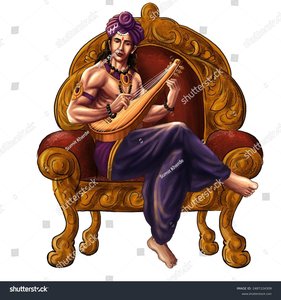
samudra gupta
India
Quick Facts
- Artistic Movement Or Style: Historical Realism
- Full Name: Samudra Gupta
- Nationality: Indian
- Notable Artworks:
- Coin Portraits
- Imagery of Gupta Empire
- Place Of Birth: Patna, India

