 Preview
 Send
Send Share
Share
 Details

 Download
 Similars
 X-Ray
X-Ray Diaporama
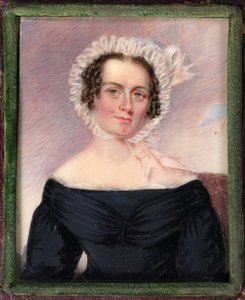
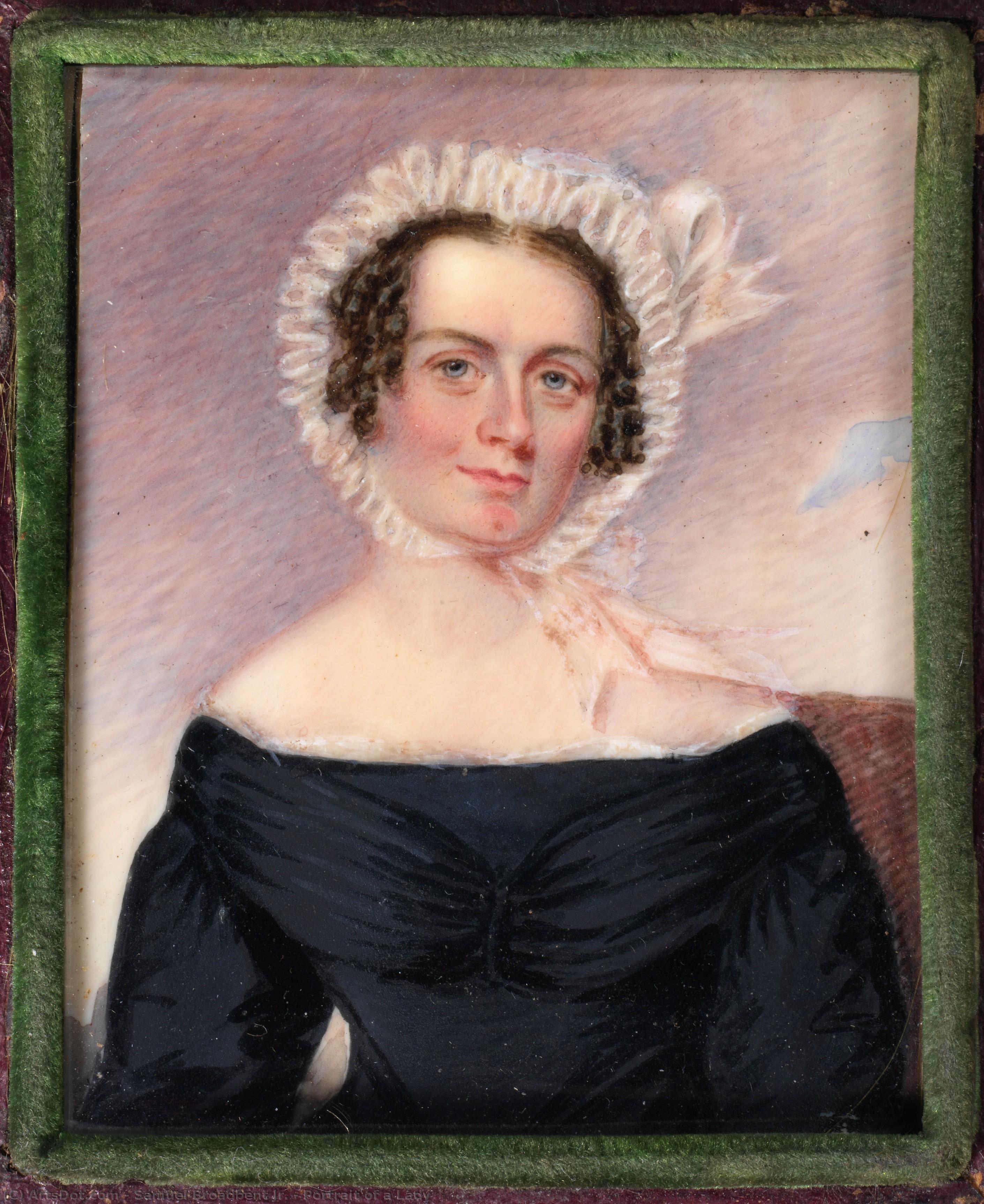
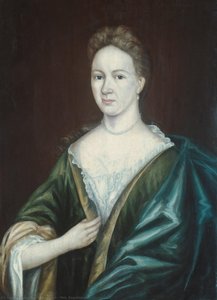
Portrait of a Lady
 1837
1837 6.0 x 5.0 cm
 Read More
Giclée / Art Print
Museum-quality giclée or canvas print with fast production and flexible finish options. ( Buy Hand Made Painting Buy Image)




































Pick from our preset sizes that match the artwork's original proportions.

You may enter your own dimensions to fit a specific frame or space. If your selected size does not match the original image's proportions, we will either crop the artwork or extend the image with a mirrored or solid-fill edge. A digital mockup will be sent for your approval before production begins.
Please note that the on-screen preview does not reflect the actual cropping or extension. Only the mockup will accurately show the final composition.
While custom sizes are available, we recommend selecting a dimension from the predefined list to preserve the original proportions.
Worldwide Delivery () in 2 weeks instead of standard 4/5 weeks. (21 August)

Free Worldwide Express Shipping

High-Quality Linen Canvas

Full Shipping Insurance

Customs Tax Refund Guarantee

True Color Matching Guarantee

60-Day Return Policy (Defects Only)

100% Money-Back Guarantee

Bulk Discount Offer
 Glass option is only available in size under 110 CM

Portrait of a Lady
Giclée / Art Print
Reproduction Size
-


Total Price
$ 63
Related Artworks
Artist Biography
Samuel Broadbent Jr.: Bridging Art and Innovation in 19th-Century America
Samuel Broadbent Jr., born in Wethersfield, Connecticut, in 1810, stands as a fascinating figure bridging the worlds of fine art and early photography. His life’s trajectory—beginning with a traditional apprenticeship in portrait painting and miniaturature, followed by a pioneering embrace of daguerreotype technology—reflects a remarkable adaptability and a keen eye for capturing the essence of his era. Broadbent's legacy isn't simply that of a skilled photographer; he was an innovator who skillfully blended artistic sensibilities with the burgeoning science of image-making, offering intimate portraits that remain remarkably evocative today.
Broadbent’s early life was deeply rooted in the artistic traditions of his family. Following in the footsteps of his father, Samuel Broadbent Sr., a respected painter and physician, he received his initial training in Hartford, Connecticut, mastering the techniques of portraiture and miniature painting – skills that would later inform his photographic work. This foundation instilled within him an understanding of composition, light, and shadow, as well as a meticulous attention to detail—qualities crucial for both artistic painting and the exacting process of daguerreotype creation. The influence of his father’s medical practice also likely fostered a keen observational skill, essential for accurately representing human subjects.
The Rise of a Daguerreotypist
A pivotal moment in Broadbent's career arrived in 1840, thanks to the introduction of photography by Samuel Morse. This revolutionary technology captivated the artist’s imagination and presented an entirely new medium for artistic expression. Recognizing its potential, Broadbent quickly immersed himself in the intricacies of daguerreotyping, embarking on a journey that would take him across the American South during the 1840s. He traveled extensively, establishing temporary studios in cities like Macon, Georgia; Charleston, South Carolina; and Wilmington, Delaware, documenting prominent figures – including, most famously, President Abraham Lincoln and his wife, Mary Todd Lincoln—in stunningly detailed portraits.
Broadbent’s photographic practice wasn't merely a commercial endeavor. He meticulously crafted each image, often employing elaborate backgrounds painted by hand to complement the sitter. These backgrounds frequently featured lush landscapes or ornate window frames, adding layers of visual interest and reflecting the artistic sensibilities inherited from his painting training. The use of these carefully constructed settings transformed the daguerreotype into more than just a likeness; it became a miniature tableau vivant, capturing not only the subject’s appearance but also their social status and personal style. His work in this period demonstrates a sophisticated understanding of visual storytelling.
Technique and Style
Broadbent's photographic style was characterized by its remarkable realism and attention to detail. He skillfully manipulated the daguerreotype process, utilizing techniques such as toning to enhance the image’s depth and richness. His portraits are distinguished by their intimate quality—a sense of immediacy that draws the viewer into the scene. The use of carefully chosen backgrounds, often painted with a pointillist technique reminiscent of his painting training, created a harmonious balance between the subject and its surroundings. He was particularly adept at capturing subtle nuances in expression, conveying a remarkable range of emotions through his subjects’ eyes.
Beyond daguerreotypes, Broadbent experimented with other photographic processes, including ambrotypes and tintypes, demonstrating his versatility and willingness to adapt to evolving technologies. His continued engagement with painting throughout his career is also noteworthy; he even produced a portrait of Philadelphia artist Thomas Sully in 1869, showcasing the enduring influence of his artistic background.
Legacy and Recognition
Samuel Broadbent Jr.’s contributions to American art and photography are significant. His portraits, particularly those of Abraham Lincoln and Mary Todd Lincoln, have become iconic representations of a pivotal moment in American history. His work is now held in prestigious collections such as the J. Paul Getty Museum and the Amon Carter Museum of American Art, testament to his enduring artistic merit.
Furthermore, Broadbent’s story highlights the interconnectedness of art forms during the 19th century. He wasn't simply a photographer; he was an artist who embraced new technologies while retaining a deep appreciation for traditional techniques. His legacy continues to inspire artists and photographers today, reminding us of the power of innovation and the enduring appeal of capturing the human spirit through image-making.
Useful Links:
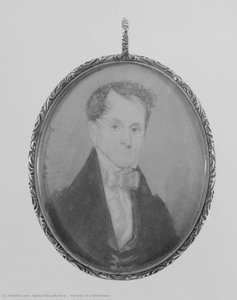
- Portrait of a Gentleman (1838 miniature portrait)
- Portrait of a Lady
Further Resources:
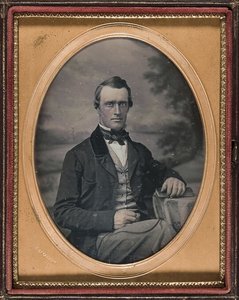
Samuel Broadbent Jr.
1810 - 1880 , United States of America
Quick Facts
- Artistic Movement Or Style: Portraiture & Daguerreotype
- Artists Or Movements Influenced By This Artist: ['19th-century American art']
- Artists Who Influenced This Artist: ['Father, Samuel Broadbent Sr.']
- Date Of Birth: 1810
- Date Of Death: 1880
- Full Name: Samuel Broadbent Jr.
- Nationality: American
- Notable Artworks:
- Portrait of a Gentleman
- Portrait of a Lady
- Place Of Birth: Wethersfield, USA