

 Preview
 Send
Send Share
Share
 Details

 Download
 Similars
 X-Ray
X-Ray Diaporama
 Stats
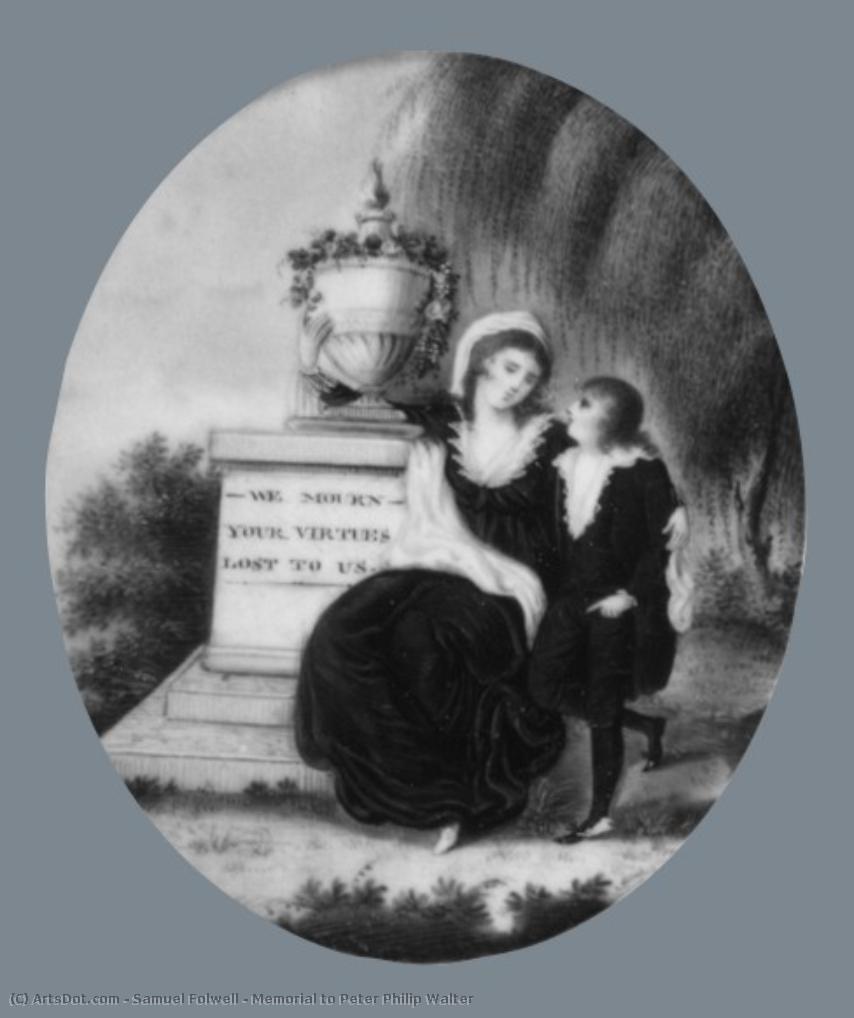
StatsMemorial to Peter Philip Walter
 1805
1805 5.0 x 4.0 cm
 Read More
Purchase a high-resolution, enhanced digital image, far superior to the online preview.
Each file is meticulously prepared by our in-house specialists using advanced tools and expert manual retouching. We ensure every image has exceptional clarity, precise color accuracy, and fine detail.
The final file is delivered via email within 72 hours, optimized for immediate use in professional, editorial, and print environments. This is the same quality trusted by top-tier design studios, publishers, and galleries.
Digital Image
Download a high-resolution file for personal display, printing, and creative projects. ( Switch to Print Buy Hand Made Painting)
Included in Every Digital Image Order
Expert Digital Delivery, Guaranteed
When you choose ArtsDot.com, you're not just getting an image - you're receiving a professionally enhanced digital artwork, crafted with precision and backed by a satisfaction guarantee. Here's everything that comes with your order, automatically:

Fast Email Delivery
Your high-resolution digital image file will be emailed to you within 72 hours of ordering - ready for immediate use.

AI-Enhanced Digital File
Your artwork is professionally optimized using advanced AI tools and manual editing, ensuring maximum detail, clarity, and color accuracy.

Free Lifetime Re-Delivery
Accidentally deleted or lost your file? No worries - we'll resend it to you anytime, free of charge.

No Import Fees - Ever
Enjoy your artwork instantly with zero customs, duties, or delivery fees - digital downloads are always tax-free.

Color Accuracy Guarantee
We ensure your digital image reflects the original colors as closely as possible using professional tools and color management.

100-Day Satisfaction Guarantee
If you're not satisfied with your digital image, we'll revise it or refund 100% within 100 days - no questions asked.

100% Money-Back Guarantee
Not satisfied? Get a full refund within 100 days of receiving your digital file - no questions asked.

Bulk Order Discounts
Buy 3 images, save 10% - Buy 5, save 15% - Buy 10+, save 20%. Great for creative projects, galleries, and agencies.
Related Artworks





Artist Biography
Samuel Folwell: Weaver of Grief and Philadelphia’s Artistic Heart
Samuel Folwell (1764–1813) stands as a poignant figure in American art history, primarily recognized for his deeply moving “mouning art”—a unique genre born from the profound grief experienced during the late 18th and early 19th centuries. More than simply portraits of the departed, Folwell’s works are intricate explorations of loss, memory, and the enduring power of love, meticulously crafted through a combination of silk embroidery and delicate watercolor detailing. His legacy resides not just in individual pieces but also in his pioneering role as an educator, shaping the artistic talents of young women in Philadelphia during a transformative period.Born in Philadelphia, Folwell’s early life remains somewhat shrouded in mystery, though he established himself as a skilled artist by the late 1780s. His career gained significant momentum through his association with Elizabeth Gebler Folwell, his wife and a formidable figure in the burgeoning world of American art education. Together, they founded an influential embroidery school that quickly became renowned throughout the region. This wasn’t merely a craft school; it was a carefully curated environment where young women were taught not just technical skills but also artistic principles – composition, color theory, and the expressive potential of needlework.
Folwell's distinctive style emerged from this educational framework. He would typically begin by sketching elaborate scenes—often depicting historical figures, biblical narratives, or classical mythology—with a remarkable attention to detail. These sketches, rendered in watercolor on silk, served as the foundation for his students’ embroideries. Crucially, Folwell himself would often complete the piece, adding finishing touches such as skies, drapery, and inscriptions that elevated the work beyond simple decoration. This collaborative process ensured a consistent artistic vision while simultaneously nurturing the creative abilities of his pupils. The resulting works are characterized by their exquisite craftsmanship, vibrant colors, and deeply personal expressions of remembrance.
The core of Folwell’s oeuvre lies in his “hair memorials”—a particularly striking aspect of his practice. These pieces incorporated actual hair clippings from deceased loved ones, meticulously woven into the embroidery alongside silk threads and other embellishments. This wasn't a macabre display but rather a tangible representation of connection—a way to keep the memory of the departed alive through tactile remembrance. The inclusion of mementos – buttons, ribbons, or small tokens – further enriched these memorials, transforming them into layered narratives of loss and affection. The Metropolitan Museum of Art holds one such example, “Embroidered Picture,” a testament to Folwell’s skill and the enduring fascination with this unique artistic form. The piece itself is a stunning example of Neoclassical design, showcasing Folwell's ability to blend historical references with deeply personal sentiment.
Notable Works and Museum Collections
- “Memorial to Peter Philip Walter” (Metropolitan Museum of Art): This piece exemplifies Folwell’s signature style, combining a detailed watercolor sketch with intricate silk embroidery and the inclusion of hair from the deceased.
- “Embroidered Picture” (The Metropolitan Museum of Art): A prime example of Folwell's artistry, this work showcases his ability to blend historical subject matter with deeply personal emotion through meticulous detail and vibrant color.
- Several other works are held by Winterthur Museum, Garden, and Library, as well as the Yale University Art Gallery, demonstrating the widespread recognition of Folwell’s talent and the lasting impact of his art.
The inclusion of these pieces in prestigious institutions like the Metropolitan Museum of Art speaks volumes about the quality and historical significance of Folwell's work. These museums recognize not only the technical skill involved but also the unique cultural context surrounding mourning art during the early 19th century.
A Legacy of Education and Artistic Innovation
Beyond his artistic output, Samuel Folwell’s most enduring legacy lies in his role as an educator. His embroidery school in Philadelphia was a pioneering institution that provided young women with access to art training—a rare opportunity during a time when such opportunities were largely restricted. His approach emphasized not just technical proficiency but also creative expression and the development of individual artistic voices. The school’s success contributed significantly to the flourishing of American needlework artistry, fostering a generation of skilled embroiderers who went on to create works admired throughout the country.
Folwell's influence extended beyond his immediate students; he helped establish a precedent for incorporating personal mementos into artistic creations – a practice that would later become increasingly prevalent in Victorian mourning art. His work represents a fascinating intersection of grief, memory, and artistic innovation, solidifying his place as a significant figure in American art history.
Historical Context: Mourning Art and the 19th Century
Samuel Folwell’s work is inextricably linked to the broader cultural context of mourning art during the late 18th and early 19th centuries. Following the Napoleonic Wars, a profound sense of loss permeated American society, fueled by outbreaks of yellow fever and other epidemics. Mourning rituals became increasingly elaborate, with families commissioning artworks—portraits, miniatures, and embroidery pieces—to commemorate deceased loved ones. These works served as tangible reminders of those lost, allowing families to maintain a connection through memory and remembrance. The inclusion of hair clippings and personal mementos in these memorials reflected a desire to preserve the physical presence of the departed, transforming grief into an artistic expression.
Folwell’s work stands as a remarkable example of this trend, capturing the emotional intensity and artistic innovation of a period defined by both profound loss and a burgeoning appreciation for beauty and craftsmanship. His legacy continues to resonate today, reminding us of the enduring power of art to transform grief into something meaningful and lasting.

Samuel Folwell
1764 - 1813 , United States of America
Quick Facts
- Artistic Movement Or Style: Mourning art
- Date Of Birth: 1764 Philadelphia, USA
- Date Of Death: 1813
- Full Name: Samuel Folwell
- Nationality: American
- Notable Artworks: ['Memorial to Peter Walter']
- Place Of Birth: Philadelphia, USA