 Preview
 Send
Send Share
Share
 Details

 Download
 Similars
 X-Ray
X-Ray Diaporama
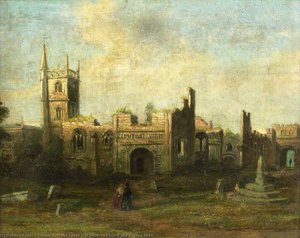
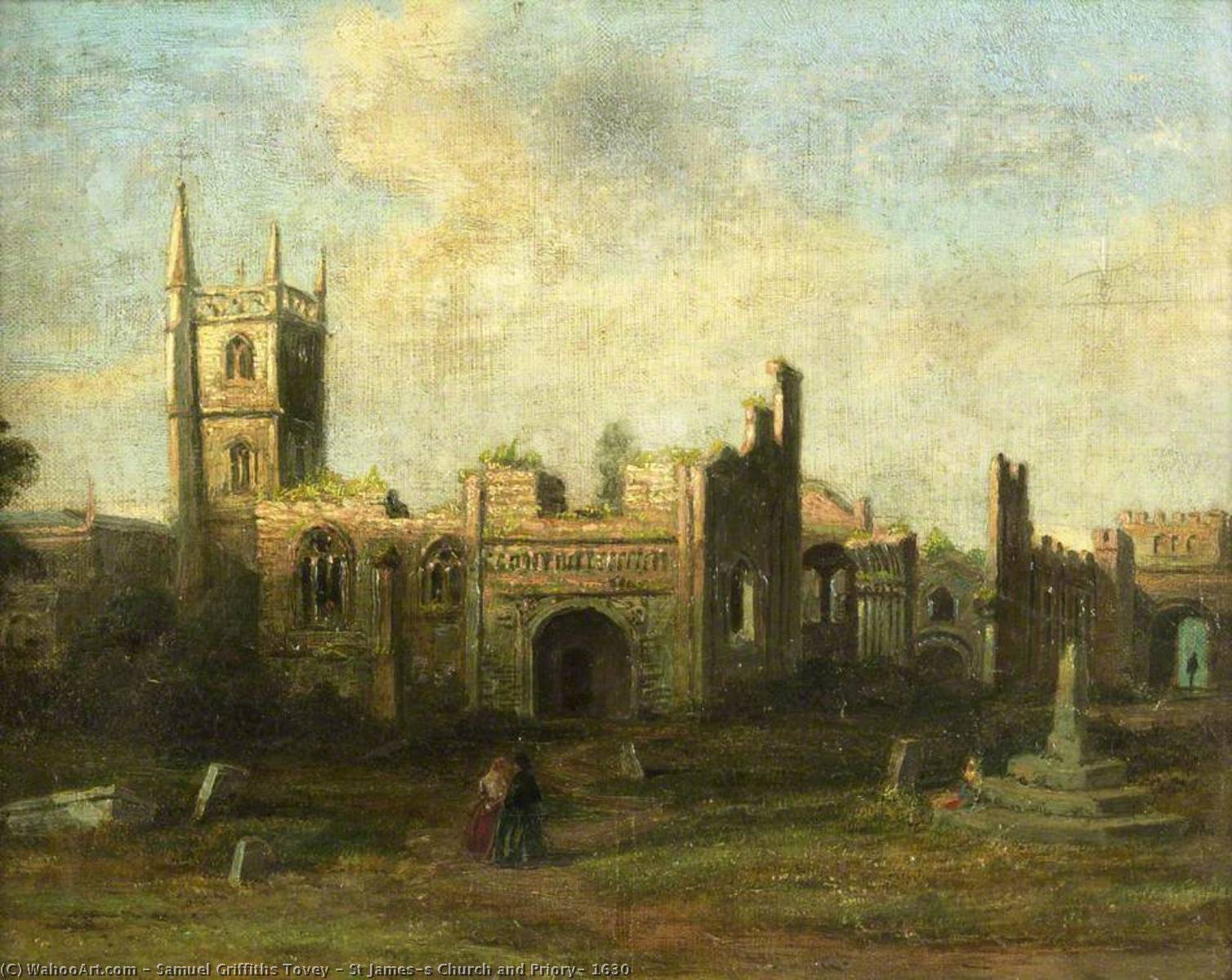
St James's Church and Priory, 1630
 24.0 x 31.0 cm
 Bristol Museum - Art Gallery
 Read More
Hand Made Oil Reproduction
Hand-painted oil on canvas in your size and frame, made to order by our artists. ( Buy Print Buy Image)




































Pick from our preset sizes that match the artwork's original proportions.

You may enter your own dimensions to fit a specific frame or space. If your selected size does not match the original image's proportions, we will either crop the artwork or extend the painting with additional hand-painted elements. A digital mockup will be sent for your approval before production begins.
Please note that the on-screen preview does not reflect the actual cropping or extension. Only the mockup will accurately show the final composition.
While custom sizes are available, we recommend selecting a dimension from the predefined list to preserve the original proportions.
After order, ArtsDot.com team will email client for instructions and provide a mockup preview
Worldwide Delivery () in 3/4 weeks instead of standard 5 weeks. (24 August). No compromise on quality.

Free Worldwide Express Shipping

High-Quality Linen Canvas

Full Shipping Insurance

Customs Tax Refund Guarantee

True Color Matching Guarantee

60-Day Return Policy (Defects Only)

100% Money-Back Guarantee

Bulk Discount Offer
 Glass option is only available in size under 110 CM

St James's Church and Priory, 1630
Reproduction Medium
Reproduction Size
-


Total Price
$ 263
Related Artworks



Artist Biography
Samuel Griffiths Tovey: A Bristol Visionary
Samuel Griffiths Tovey (1808-1873) emerged from the vibrant artistic milieu of Bristol, England, leaving behind a legacy of meticulously rendered landscapes and portraits that capture the spirit of Victorian Britain. His work stands as testament to his unwavering dedication to observation and skillful execution, cementing his place within the annals of British art history.Early Life & Artistic Training
Born in Bristol in 1808, Tovey’s formative years were steeped in the industrial dynamism of the city – a backdrop that would profoundly influence his artistic sensibilities. Details about his family background remain scarce, yet he received an education focused on drawing and painting, primarily through private instruction. This early training instilled in him a foundational understanding of perspective, tonal gradation, and anatomical accuracy—skills that would become hallmarks of his oeuvre. Notably, he studied under John Ruskin, the celebrated Victorian critic and artist, whose emphasis on moral seriousness and detailed realism served as an intellectual catalyst for Tovey’s artistic pursuits.Bristol Landscapes: Capturing the City's Essence
Tovey’s fame rests principally upon his breathtaking depictions of Bristol itself. He possessed an extraordinary ability to distill the essence of the city into canvases brimming with atmospheric detail and nuanced color palettes. His landscapes—particularly those depicting Clifton Suspension Bridge, St Mary Redcliffe Church, and Ashton Court Estate—are celebrated for their luminous quality and masterful rendering of light and shadow. Unlike many artists of his time who favored idealized representations, Tovey prioritized truthful depiction, meticulously documenting the textures of stone, foliage, and water with remarkable precision. He employed a technique characterized by subtle tonal variations and meticulous brushwork, creating images that convey not merely visual beauty but also an emotional resonance rooted in genuine experience.Portraits: Reflecting Victorian Dignity
Beyond landscapes, Tovey excelled as a portrait painter, producing works that captured the dignity and character of prominent Bristolians. His portraits—often commissioned by wealthy industrialists and civic leaders—are distinguished by their psychological depth and subtle expressions of emotion. He skillfully utilized chiaroscuro – the dramatic interplay of light and dark – to sculpt faces with remarkable sensitivity, conveying not just physical likeness but also inner temperament. Tovey’s portraits exemplify the Victorian ideal of refined sensibility and intellectual curiosity, reflecting the values of his era.Influences & Artistic Style
Tovey's artistic style was undeniably shaped by Ruskin’s teachings and the broader currents of Romanticism. However, he forged a distinctive path, blending Romantic idealism with meticulous realism—a combination that resulted in an unparalleled level of visual fidelity. He meticulously studied topographical maps and geological specimens to inform his landscapes, demonstrating a commitment to scientific observation alongside artistic creativity. Furthermore, Tovey’s use of glazing techniques – applying thin layers of translucent pigment over underlying colors – enhanced the luminosity and depth of his paintings, creating images that shimmer with atmospheric vibrancy.Legacy & Historical Significance
Samuel Griffiths Tovey died in 1873, leaving behind a substantial body of work that continues to inspire admiration for its artistic merit and historical importance. His landscapes remain treasured representations of Bristol’s Victorian grandeur, while his portraits offer invaluable insights into the social and cultural landscape of the period. More broadly, Tovey's unwavering devotion to observation and skillful technique serves as an enduring exemplar of British art practice—a testament to the transformative power of artistic vision and disciplined execution. His paintings are housed in numerous museums across Britain and beyond, ensuring that his contribution to Victorian art history will endure for generations to come.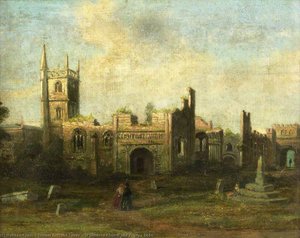
samuel griffiths tovey
1808 - 1873
Quick Facts
- Artistic Movement Or Style: Romantic Landscape Painting
- Artists Or Movements Influenced By This Artist: ['Hudson Lowe']
- Artists Who Influenced This Artist: ['John Constable']
- Date Of Birth: 1808
- Date Of Death: 1873
- Full Name: Samuel Griffiths Tovey
- Nationality: British
- Notable Artworks:
- Bristol High Cross
- Cheltenham Pump Room
- Place Of Birth: Bristol, England