 Preview
 Send
Send Share
Share
 Details

 Download
 Similars
 X-Ray
X-Ray Diaporama
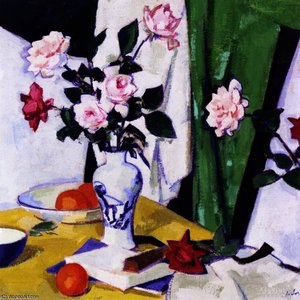
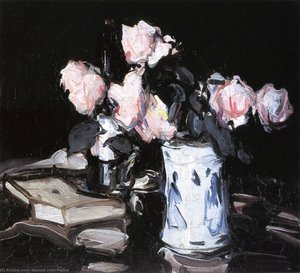
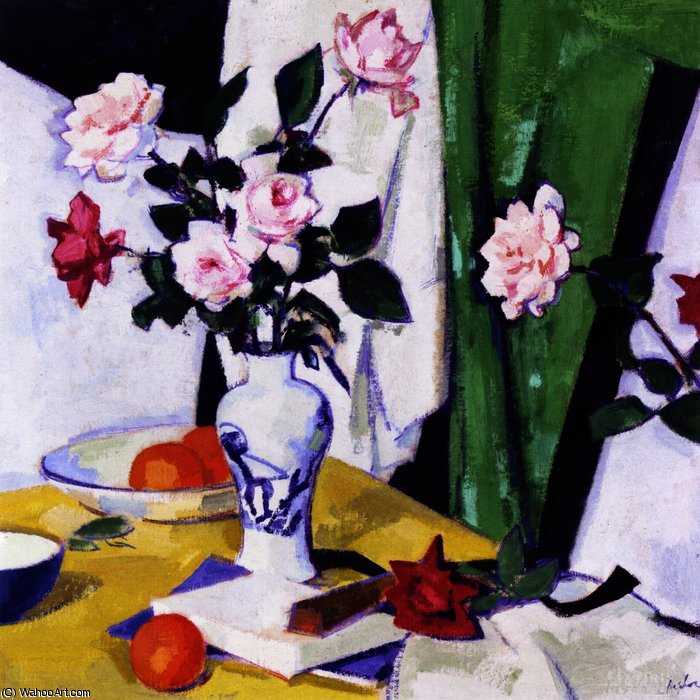
Still LIfe with Pink and Red Roses in a Chinese Vase
 Oil On Canvas
- WallArt
- Post-Impressionism
 1920
1920 64.0 x 64.0 cm
 Read More
Hand Made Oil Reproduction
Hand-painted oil on canvas in your size and frame, made to order by our artists. ( Buy Print Buy Image)




P118B $10

P118H $10

P118W $10

P438Z $10

P508JH $12

P508YH $12

P805H $10

P805Z $10

P919BZ $10

P919G $10

P919XJ $10

P959ZH $10

P968JZ $12

W106C $8

W218G $10

W218JH $8

W218Y $10

W307PJ $10

W316G $10

W316PJ $8

W316Y $10

W398PJ $8

W4111J $10

W500HY $15

W500JH $15

W692G $12

W849H $8

W940BG $15

W953PJ $8




Pick from our preset sizes that match the artwork's original proportions.

You may enter your own dimensions to fit a specific frame or space. If your selected size does not match the original image's proportions, we will either crop the artwork or extend the painting with additional hand-painted elements. A digital mockup will be sent for your approval before production begins.
Please note that the on-screen preview does not reflect the actual cropping or extension. Only the mockup will accurately show the final composition.
While custom sizes are available, we recommend selecting a dimension from the predefined list to preserve the original proportions.
After order, ArtsDot.com team will email client for instructions and provide a mockup preview
Worldwide Delivery () in 3/4 weeks instead of standard 5 weeks. (26 August). No compromise on quality.

Free Worldwide Express Shipping

High-Quality Linen Canvas

Full Shipping Insurance

Customs Tax Refund Guarantee

True Color Matching Guarantee

60-Day Return Policy (Defects Only)

100% Money-Back Guarantee

Bulk Discount Offer
 Glass option is only available in size under 110 CM

Still LIfe with Pink and Red Roses in a Chinese Vase
Reproduction Medium
Reproduction Size
-


Total Price
$ 263
Artwork Description
A Symphony in Bloom: Exploring Peploe's Still Life
To gaze upon Samuel John Peploe’s Still Life with Pink and Red Roses in a Chinese Vase is to step directly into the vibrant, sun-drenched palette of early 20th-century Scottish artistry. This painting, executed in 1920, transcends the mere depiction of flowers and fruit; it is a carefully orchestrated meditation on beauty, transience, and the enduring power of color. Peploe, a master who navigated the currents of Post-Impressionism while retaining a distinctly British sensibility, captures a moment of opulent domesticity that feels both intimately personal and grandly composed.
Composition and Technique: The Art of Arrangement
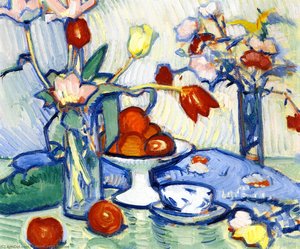
The eye is immediately drawn to the centerpiece: the exquisite Chinese vase overflowing with lush pink and red roses. These blooms are not simply placed; they seem to spill forth, their velvety petals catching an imagined light that Peploe renders with remarkable skill. Surrounding this focal point, the table becomes a rich tapestry of textures—the smooth gleam of apples, the warm tones of oranges, and the intellectual weight suggested by stacked books. The composition is a masterclass in balance; every object, from the smaller bowls to the scattered potted plants, contributes to a harmonious visual rhythm. Peploe’s technique, characterized by bold brushstrokes and vivid color application, gives the scene an undeniable depth. One can almost feel the thick impasto under the paint, a testament to his physical engagement with the canvas.
Historical Echoes and Artistic Lineage
While this piece stands as a vibrant example of Peploe’s mature style, it subtly echoes the concerns of other great still life painters. The arrangement recalls the careful studies in color found in works by artists like Felix Vallotton, yet it carries the unique warmth associated with the Scottish Colourist movement. Having trained partly in Paris, Peploe absorbed the lessons of French vibrancy while filtering them through his own lens—a palette that sings with saturated hues and confident application. This connection to broader European art movements gives the piece an academic weight, making it a conversation starter for any discerning collector.
Symbolism and Emotional Resonance
Still life paintings have always been profound meditations on time itself. The roses, in particular, carry centuries of symbolic weight—representing love, passion, and fleeting beauty. Paired with the ripe fruit, which speaks to harvest and abundance, the painting invites contemplation on the passage of time. It is a celebration of life at its peak, yet within that perfection lies the gentle acknowledgment of decay, lending the work a poignant, beautiful melancholy. Owning a reproduction of this piece allows one to bring not just decoration into a space, but a feeling—a sense of vibrant, enduring beauty captured forever on canvas.
Bringing the Masterpiece Home
For those seeking to infuse their drawing rooms or collector's spaces with the sophisticated glow of early 20th-century mastery, this reproduction offers an unparalleled opportunity. Our commitment is to replicate not just the image, but the very spirit of Samuel John Peploe’s hand. The resulting oil on canvas will possess the museum-quality depth and luminous color that defined his career, allowing you to enjoy a piece that feels both historically significant and vibrantly contemporary.
Related Artworks
Artist Biography
A Scottish Master of Colour and Light
Samuel John Peploe, born in Edinburgh in 1871, occupies a pivotal position within early 20th-century British art as one of the celebrated Scottish Colourists. His path to artistic renown was somewhat unconventional; initially destined for a legal career, he swiftly abandoned apprenticeship for the allure of paint and canvas. This decisive turn led him to formal study at the Edinburgh School of Art, but it was his time in Paris that proved truly transformative. The Parisian art scene, brimming with innovation and challenging established norms, ignited within Peploe a passion for exploring new artistic boundaries. He immersed himself in the Académie Julian and Colarossi, sharing studio space with fellow artist Robert Brough, absorbing the burgeoning Post-Impressionist movement. While initially drawn to the dramatic chiaroscuro of Dutch masters like Rembrandt and Frans Hals, it was the vibrant palette and expressive brushwork of French artists that ultimately shaped his artistic vision.The Formation of a Distinctive Style
Peploe’s artistic development wasn't immediate; he began by exploring traditional landscapes and portraits. However, a crucial shift occurred during painting trips to northern France with J.D. Fergusson, another future Scottish Colourist. These excursions exposed him to the intense sunlight of the French countryside, inspiring an experimentation with bold colour that would become his hallmark. He began distilling forms, simplifying compositions, and prioritizing the emotional impact of hue and tone over meticulous detail. This period saw a move towards still life as a favoured subject – a genre he elevated through masterful arrangements and a uniquely personal approach. His early still lifes often featured dark backgrounds against which objects seemed to glow, reminiscent of Spanish masters but infused with a distinctly modern sensibility. The influence of Édouard Manet is particularly evident in his fluid brushwork and the interplay of light and shadow, while Paul Cézanne’s structural approach to composition also began to subtly inform his work. Returning to Scotland in 1912, Peploe faced initial resistance from established dealers hesitant to embrace his evolving style, a challenge he met by organizing his own exhibition – a testament to his artistic conviction.Iona, Cassis and the Essence of Colour
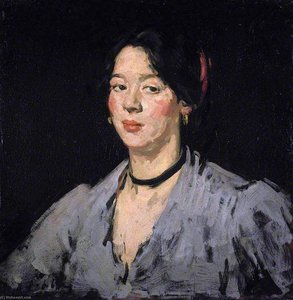
The years following his return to Scotland solidified Peploe’s reputation as a leading figure in British art. Regular painting trips with Francis Cadell, another Scottish Colourist, to the remote island of Iona proved particularly fruitful. The stark beauty of Iona’s landscape and its intense light provided endless inspiration, refining his ability to capture atmosphere and emotion through colour. Later journeys to Cassis on the French Riviera introduced a Mediterranean vibrancy into his palette. These landscapes, often painted *en plein air*, are characterized by their bold simplicity and expressive brushstrokes. While he never fully embraced abstraction, Peploe’s work consistently pushed the boundaries of representation, prioritizing the subjective experience of colour and light over strict adherence to realism. His still lifes continued to evolve, becoming increasingly vibrant and dynamic, with compositions that were both carefully considered and seemingly spontaneous. He possessed a remarkable ability to imbue everyday objects – flowers, fruit, ceramics – with a sense of life and energy. Mrs. Peploe, painted in 1907, exemplifies this period, showcasing his post-impressionist style and vibrant use of colour in portraiture.Legacy and Lasting Influence
Samuel John Peploe’s impact on Scottish art is undeniable. As one of the Scottish Colourists, he helped liberate British painting from its conservative traditions, paving the way for future generations to explore new forms of expression. His work continues to captivate audiences with its vibrant colours, masterful compositions, and evocative atmosphere. Paintings like *Still Life with Pink and Red Roses in a Chinese Vase* demonstrate his mastery of still life, while works such as *The Green Blouse* showcase his ability to capture light and form. His paintings have achieved significant prices at auction – notably “Still Life with Coffee Pot” which sold for £937,250 in 2011 – demonstrating the enduring appeal and value of his art. Beyond financial recognition, Peploe’s influence extends into contemporary literature; his works are referenced in novels by Alexander McCall Smith and Rosamunde Pilcher, further cementing his place in Scottish cultural consciousness. The Kirkcaldy Museum and Art Gallery holds the largest public collection of his paintings outside the National Galleries of Scotland, ensuring that his legacy remains accessible to a wide audience. He died in Edinburgh in 1935, leaving behind a body of work that continues to inspire and delight art lovers worldwide – a testament to his enduring vision and mastery of colour and light. His son, Denis Peploe, also followed in his father’s footsteps as an artist, continuing the family tradition. Peploe's paintings are not merely representations; they are celebrations of life, beauty, and the power of colour to evoke emotion.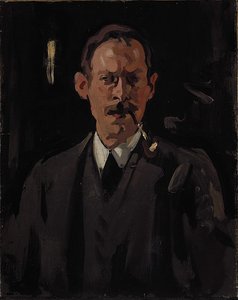
Samuel John Peploe
1871 - 1935 , United Kingdom
Quick Facts
- Artistic Movement Or Style: Post-Impressionism, Colourist
- Artists Or Movements Influenced By This Artist: ['Scottish Colourists']
- Artists Who Influenced This Artist:
- Rembrandt
- Frans Hals
- Manet
- Cézanne
- Date Of Birth: 1871
- Date Of Death: 1935
- Full Name: Samuel John Peploe
- Nationality: Scottish
- Notable Artworks:
- Mrs. Peploe
- Still Life with Roses
- The Green Blouse
- Place Of Birth: Edinburgh, UK
Related Articles
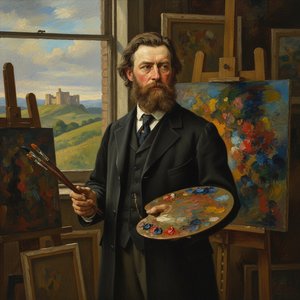
George Paul Chalmers: Rediscovering the Angus Rembrandt & Scottish Colourist Roots
Explore the captivating world of George Paul Chalmers (1833-1878), a pivotal Scottish painter. Discover his landscapes, portraits & connection to the Aesthetic Movement and Colourists. Learn about this 'Angus Rembrandt's' legacy with ArtsDot.

The Enduring Legacy of Oil on Canvas: Technique, History & Aesthetic Impact
Explore the rich history & techniques of oil painting – from Renaissance masters to Impressionism. Discover pigments, layering methods, and why this timeless medium endures. Expert insights for artists & art enthusiasts.
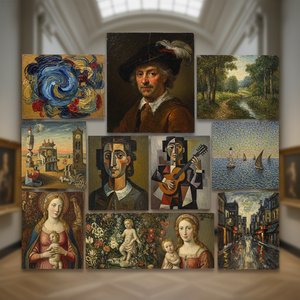
Oil on Board Masters: 10 Paintings That Redefined Art | ArtsDot
Explore 10 legendary 'Oil on Board' masterpieces by Van Gogh, Monet & more! Discover art history, iconic styles like Impressionism, and find museum-quality reproductions to elevate your home decor. Explore the full collection online at ArtsDot.com.

Oil on Canvas: A Historical & Technical Exploration of a Timeless Artistic Medium
Explore the rich history & enduring techniques of oil painting on canvas. Discover the science behind its longevity, conservation practices, and contemporary relevance. Expert insights for art enthusiasts.
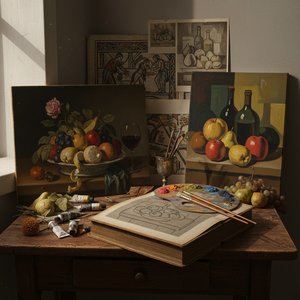
Silent Narratives: Exploring the Enduring Appeal of Still Life Painting Across Centuries
Explore the rich history of still life painting with ArtsDot. Discover Dutch Masters, decode vanitas symbolism & learn about collecting timeless art. Expert insights and museum-quality reproductions.