

 Preview
 Send
Send Share
Share
 Details

 Download
 Similars
 X-Ray
X-Ray Diaporama
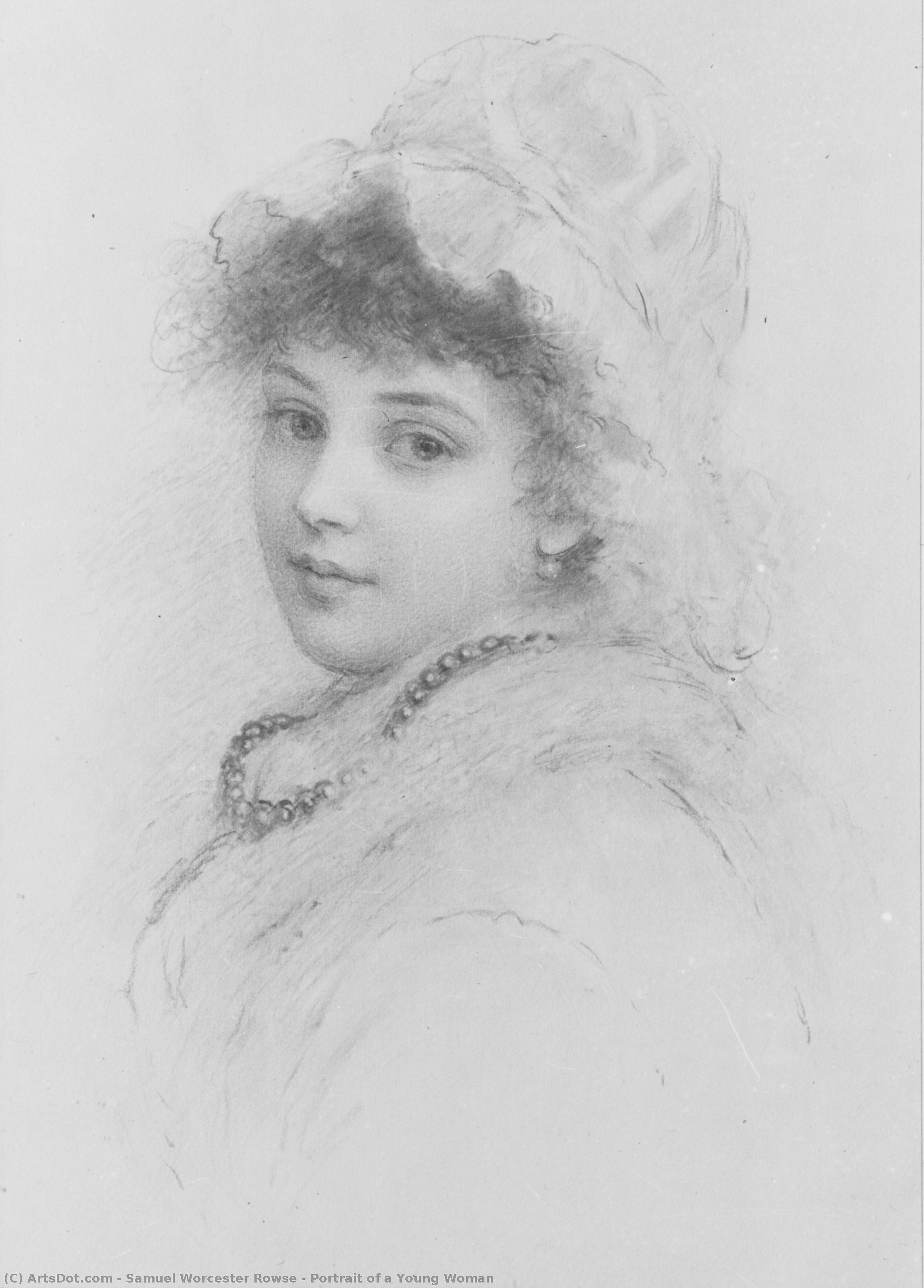
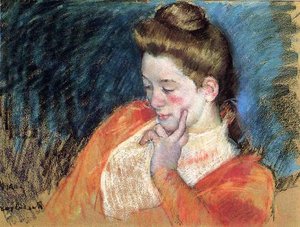
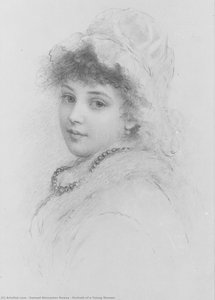
Portrait of a Young Woman
 Contemporary Realism
 59.0 x 42.0 cm
 Read More
Purchase a high-resolution, enhanced digital image, far superior to the online preview.
Each file is meticulously prepared by our in-house specialists using advanced tools and expert manual retouching. We ensure every image has exceptional clarity, precise color accuracy, and fine detail.
The final file is delivered via email within 72 hours, optimized for immediate use in professional, editorial, and print environments. This is the same quality trusted by top-tier design studios, publishers, and galleries.
Digital Image
Download a high-resolution file for personal display, printing, and creative projects. ( Buy Print Buy Hand Made Painting)
Included in Every Digital Image Order
Expert Digital Delivery, Guaranteed
When you choose ArtsDot.com, you're not just getting an image - you're receiving a professionally enhanced digital artwork, crafted with precision and backed by a satisfaction guarantee. Here's everything that comes with your order, automatically:

Fast Email Delivery
Your high-resolution digital image file will be emailed to you within 72 hours of ordering - ready for immediate use.

AI-Enhanced Digital File
Your artwork is professionally optimized using advanced AI tools and manual editing, ensuring maximum detail, clarity, and color accuracy.

Free Lifetime Re-Delivery
Accidentally deleted or lost your file? No worries - we'll resend it to you anytime, free of charge.

No Import Fees - Ever
Enjoy your artwork instantly with zero customs, duties, or delivery fees - digital downloads are always tax-free.

Color Accuracy Guarantee
We ensure your digital image reflects the original colors as closely as possible using professional tools and color management.

60-Day Satisfaction Guarantee
If you're not satisfied with your digital image, we'll revise it or refund 100% within 60 days - no questions asked.

100% Money-Back Guarantee
Not satisfied? Get a full refund within 60 days of receiving your digital file - no questions asked.

Bulk Order Discounts
Buy 3 images, save 10% - Buy 5, save 15% - Buy 10+, save 20%. Great for creative projects, galleries, and agencies.
Collectible Description
Related Artworks


Artist Biography
The Quiet Observer: The Life and Legacy of Samuel Worcester Rowse
In the vibrant tapestry of nineteenth-century American art, few figures captured the intellectual and spiritual pulse of the era as intimately as Samuel Worcester Rowse. Born in the coastal town of Bath, Maine, on January 29, 1822, Rowse emerged not merely as a technician of line and shadow, but as a visual chronicler of the Transcendentalist movement. His journey from a young engraver in Maine to a celebrated figure in the Boston art scene is a testament to a life dedicated to the pursuit of truth through observation. While his hands were skilled in the precise discipline of lithography, his eyes were always searching for the profound essence within the mundane, seeking to translate the philosophical weight of his contemporaries into enduring visual legacies.
Rowse’s artistic foundation was deeply rooted in tradition and familial mentorship. Receiving his earliest lessons from his father, a fellow painter, he developed an early reverence for the craft. This initial spark was fanned into a flame during his studies at the Boston School of Fine Arts, where he encountered the transformative influences of George Bridgman and William Morris Hunt. From these masters, Rowse inherited a sophisticated command of tonal gradations and a disciplined approach to composition. Unlike many of his peers who utilized drawing as a mere precursor to oil painting, Rowse found his ultimate expression in the immediacy of charcoal, pastel, and lithography. His preference for these media allowed him to capture a certain raw, atmospheric quality—a soft, tactile depth that mirrored the contemplative nature of the subjects he so frequently encountered.
Capturing the Transcendentalist Spirit
The true immortality of Rowse’s work lies in his profound connection to the giants of American thought: Ralph Waldo Emerson and Henry David Thoreau. His relationship with these thinkers was far more than professional; it was deeply personal. In the summer of 1854, while boarding with the Emerson family, Rowse had the rare opportunity to sketch Thoreau, producing a likeness so striking that it was lauded by Thoreau’s own family. These portraits were not mere anatomical studies but psychological windows. Through nuanced shading and an expert use of light, Rowse rendered the contemplative gazes and inner intensities of these men, turning their faces into icons of the American intellect.
Beyond the intimate study of character, Rowse utilized his lithographic skill to engage with the pressing social dramas of his time. One of his most historically significant achievements was his lithograph, The Resurrection of Henry Box Brown at Philadelphia. This powerful work depicted the miraculous escape of an enslaved man who traveled from Virginia to Pennsylvania hidden inside a wooden crate. The print became a vital tool for anti-slavery activists, serving as both a piece of visual journalism and a fundraising instrument for the Underground Railroad. In this capacity, Rowse’s art transcended the studio, becoming a participant in the moral struggles that defined the American Civil War era.
A Legacy of Light and Line
As his career progressed, Rowse continued to expand his repertoire, moving between the meticulous demands of lithography and the expressive freedom of genre scenes and landscapes. His work often reflected the spirit of Victorian America, capturing the quiet dignity of everyday life and the rugged beauty of the American landscape. Even as he traveled abroad—notably to London in 1872, where he encountered the influential critic John Ruskin—his artistic core remained anchored in the observant, subtle style he had perfected in Boston.
The significance of Samuel Worcester Rowse extends far beyond the technical mastery of his charcoal and pastel works. He remains a vital link between the visual arts and the literary movements that shaped a nation's identity. To look upon a Rowse portrait is to witness the intersection of art and philosophy, where the stroke of a lithographic crayon meets the profound meditations of the Transcendentalist era. His life’s work stands as a permanent record of an age of discovery, capturing the faces and the landscapes that defined the American soul.
samuel worcester rowse
1822 - 1901 , United States of America
Quick Facts
- Artistic Movement Or Style: Portrait-crayon
- Date Of Birth: January 29, 1822
- Date Of Death: May 24, 1901
- Full Name: Samuel Worcester Rowse
- Nationality: American
- Notable Artworks: ['Portrait of a Young Woman']
- Place Of Birth: Bath, United States of America

