

 Preview
 Send
Send Share
Share
 Details

 Download
 Similars
 X-Ray
X-Ray Diaporama
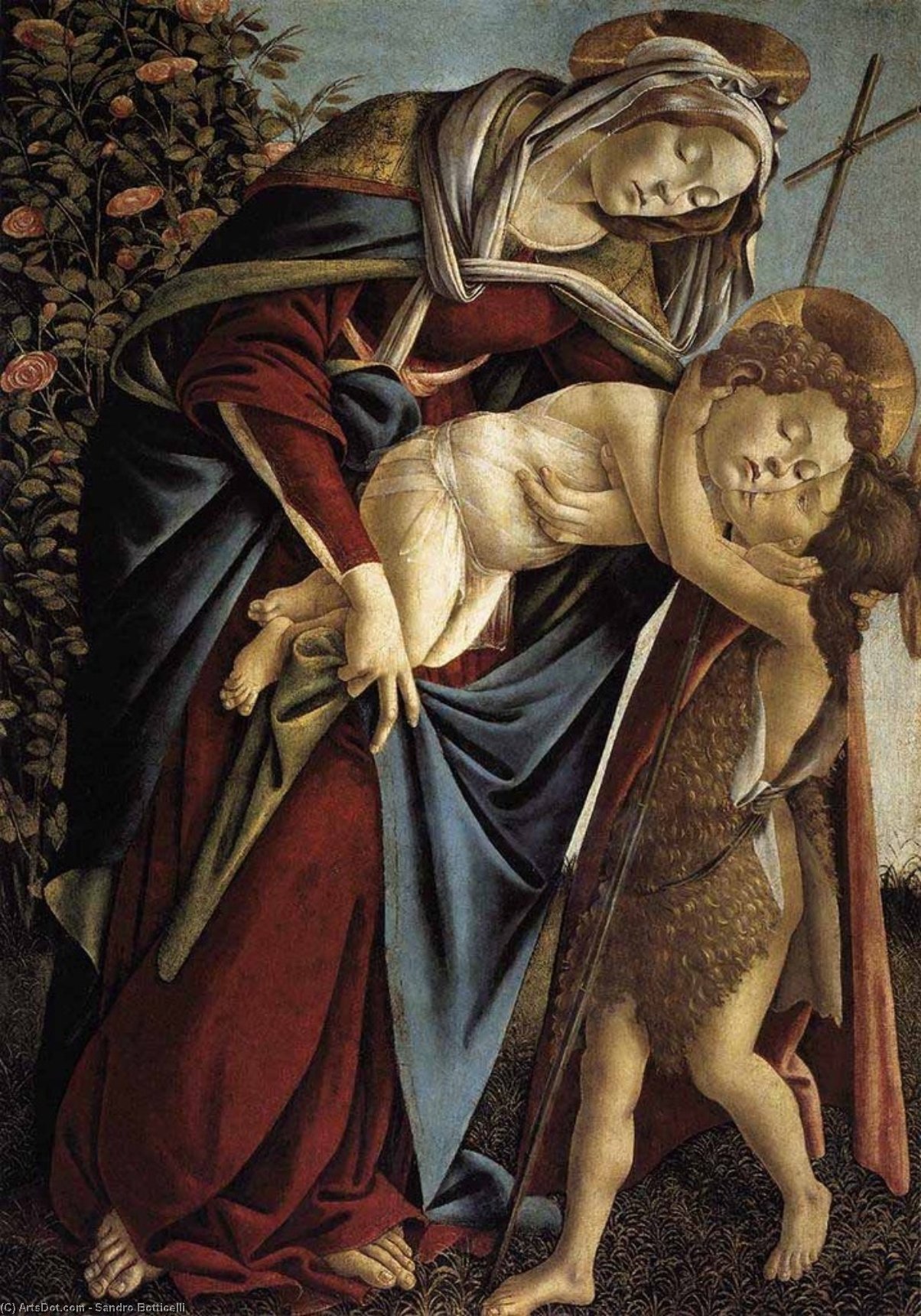
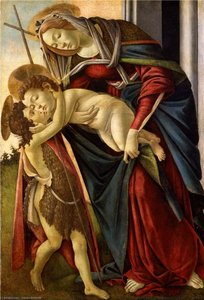
Madonna and Child and the Young St John the Baptist
 Oil
Oil- WallArt
- Early Renaissance
 1490
1490- Renaissance
 134.0 x 92.0 cm
 Read More
Purchase a high-resolution, enhanced digital image, far superior to the online preview.
Each file is meticulously prepared by our in-house specialists using advanced tools and expert manual retouching. We ensure every image has exceptional clarity, precise color accuracy, and fine detail.
The final file is delivered via email within 72 hours, optimized for immediate use in professional, editorial, and print environments. This is the same quality trusted by top-tier design studios, publishers, and galleries.
Digital Image
Download a high-resolution file for personal display, printing, and creative projects. ( Buy Print Buy Hand Made Painting)
Included in Every Digital Image Order
Expert Digital Delivery, Guaranteed
When you choose ArtsDot.com, you're not just getting an image - you're receiving a professionally enhanced digital artwork, crafted with precision and backed by a satisfaction guarantee. Here's everything that comes with your order, automatically:

Fast Email Delivery
Your high-resolution digital image file will be emailed to you within 72 hours of ordering - ready for immediate use.

AI-Enhanced Digital File
Your artwork is professionally optimized using advanced AI tools and manual editing, ensuring maximum detail, clarity, and color accuracy.

Free Lifetime Re-Delivery
Accidentally deleted or lost your file? No worries - we'll resend it to you anytime, free of charge.

No Import Fees - Ever
Enjoy your artwork instantly with zero customs, duties, or delivery fees - digital downloads are always tax-free.

Color Accuracy Guarantee
We ensure your digital image reflects the original colors as closely as possible using professional tools and color management.

60-Day Satisfaction Guarantee
If you're not satisfied with your digital image, we'll revise it or refund 100% within 60 days - no questions asked.

100% Money-Back Guarantee
Not satisfied? Get a full refund within 60 days of receiving your digital file - no questions asked.

Bulk Order Discounts
Buy 3 images, save 10% - Buy 5, save 15% - Buy 10+, save 20%. Great for creative projects, galleries, and agencies.
Collectible Description
A Tender Moment Frozen in Time: Sandro Botticelli’s Madonna and Child
Sandro Botticelli's Madonna and Child with the Young St John the Baptist, painted around 1490, is more than just a depiction of the Virgin Mary, Christ Child, and infant Saint John; it’s a profound meditation on grace, innocence, and the divine. Housed within the serene walls of the Galleria Palatina in Italy, this tempera-on-panel artwork offers a glimpse into the heart of the Early Renaissance, showcasing Botticelli's mastery of line, color, and his unique ability to imbue even the most sacred subjects with an ethereal beauty.
The painting immediately draws the eye to the central figures: Mary, adorned in a flowing blue dress meticulously trimmed with gold – a deliberate choice that elevates her status and symbolizes her divine connection. Her posture is one of gentle attentiveness as she cradles the Christ Child, radiating warmth and tenderness. Beside them stands St John the Baptist, already hinting at his future role as a prophet, holding a lamb—a potent symbol of sacrifice and innocence. The composition isn’t merely static; there's a subtle dynamism in their poses, suggesting a shared moment of quiet contemplation.
The Composition: A Symphony of Detail
Botticelli’s genius lies not just in the central figures but also in the intricate details that populate the scene. Observe the carefully rendered background—a landscape dominated by trees, creating a sense of depth and naturalism rarely seen in earlier religious paintings. These aren't merely decorative elements; they contribute to the painting’s overall atmosphere of serenity and peace. Scattered throughout the composition are three birds: one hovering above Mary’s head, another flying towards her, and a third perched at the bottom left corner. Each bird carries symbolic weight – doves often represent purity and the Holy Spirit, while the flight patterns add a layer of movement and narrative to the scene.
Beyond the primary figures, subtle details enrich the composition. Note the presence of several individuals in the periphery—a man on the left, two on the right, and another near the top-right corner. These figures, though less prominent, contribute to a sense of community and earthly context, grounding the divine narrative within a human setting. The careful placement of these secondary elements demonstrates Botticelli’s meticulous attention to detail and his ability to create a richly layered visual experience.
A Renaissance Masterpiece: Style and Symbolism
Botticelli's style in this work is distinctly Renaissance, yet retains traces of the Late Gothic tradition. The figures are elongated and graceful, with flowing drapery that emphasizes their elegance. His use of color is delicate and luminous, particularly evident in the shimmering gold trim on Mary’s dress. Botticelli was known for his ability to capture emotion through gesture and expression—the tenderness between mother and child is palpable, inviting viewers into this intimate moment.
The painting is laden with symbolism. The lamb represents innocence and sacrifice, while St John's holding a goldfinch alludes to his future role as the herald of Christ’s passion. The overall composition evokes a sense of harmony and balance—a reflection of Renaissance ideals of beauty and order. It’s a testament to Botticelli’s ability to seamlessly blend religious narrative with artistic innovation.
Bringing Botticelli Home: High-Quality Reproductions
For those captivated by the beauty and profound symbolism of Madonna and Child with the Young St John the Baptist, ArtsDot offers exquisite handmade oil painting reproductions that faithfully capture the essence of this iconic masterpiece. Each reproduction is created using traditional techniques and high-quality materials, ensuring a stunning likeness to the original while retaining its own unique character. Owning a Botticelli reproduction is not just acquiring art; it’s bringing a timeless treasure into your home.
To learn more about Sandro Botticelli's life and work, we encourage you to explore resources such as Wikipedia (/art/list/?Filter=madonna+child+the+young+st+john+the+baptist,madonna,child,young,john,baptist&) and the ArtsDot database (/art/list/?Filter=8YDEUV/$File/Sandro-Botticelli-Madonna-and-Child-and-the-Young-St-John-the-Baptist.JPG). You can also delve into his other notable works, such as *Portrait of a Young Man* and explore the broader context of Renaissance art through resources like Wikipedia (https://en.wikipedia.org/wiki/List_of_works_by_Sandro_Botticelli) and the ArtsDot database (/art/list/?Filter=portrait+of+a+young+man,portrait,young,botticelli,pitti+palace,pitti,palace&).
Related Artworks
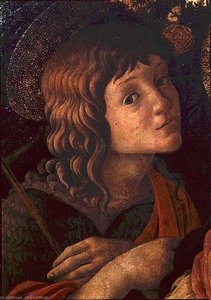
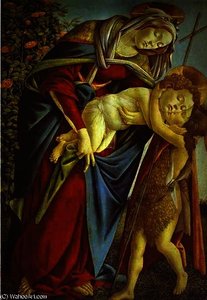
Artist Biography
Early Life and Florentine Beginnings
Sandro Botticelli, born Alessandro di Mariano di Vanni Filipepi around 1445 in Florence, Italy, emerged during a period of extraordinary cultural ferment—the Early Renaissance. His life was deeply rooted in the city’s artistic and social fabric; he never strayed far from his neighborhood of Ognissanti, a testament to both familial ties and the vibrant creative ecosystem that nurtured him. His father, Mariano Filipepi, initially a goldsmith and later a tanner, provided an early exposure to craftsmanship and meticulous detail—qualities that would profoundly influence Botticelli’s artistic approach. Though initial reports suggested training as a goldsmith, he soon found his calling under the tutelage of Fra Filippo Lippi, a leading painter of the time. This apprenticeship proved pivotal, immersing him in the techniques and aesthetics of the Florentine school while also connecting him to influential patrons like the Medici family.
A Style Defined by Grace and Myth
Botticelli’s artistic style is instantly recognizable for its lyrical beauty, characterized by elegant linearity, flowing contours, and a delicate use of color. He masterfully bridged the gap between the late Gothic traditions and the burgeoning Renaissance aesthetic, absorbing influences from masters like Fra Angelico and Paolo Uccello yet forging a uniquely personal vision. His figures possess an ethereal quality, often depicted with elongated proportions and graceful poses that convey both serenity and a subtle melancholy. A defining feature of his work is the frequent incorporation of classical mythology—a reflection of the humanist interests sweeping through Renaissance Florence. He didn’t merely illustrate these ancient tales; he imbued them with new layers of meaning, exploring themes of love, beauty, and spiritual longing.
Botticelli's technique was innovative for its time. He often employed a silverpoint drawing method underpainting his canvases, contributing to the luminosity and delicate detail seen in his finished works. His use of tempera paint allowed for precise rendering and vibrant colors, while his later experiments with oil paints broadened his expressive possibilities.
Iconic Masterpieces and Artistic Development
Botticelli’s legacy rests upon a handful of iconic paintings that continue to captivate audiences centuries later. The Birth of Venus, completed around 1486, stands as perhaps his most celebrated work—an allegorical depiction of the goddess emerging from a seashell, embodying Renaissance ideals of beauty and harmony. Its graceful composition, delicate color palette, and evocative symbolism have made it an enduring symbol of the era. Equally renowned is Primavera, created around 1482, a complex and enigmatic painting celebrating spring and love, populated with symbolic figures drawn from classical mythology. These works showcase Botticelli’s mastery of composition, his ability to create atmospheric depth, and his profound understanding of human emotion.
His artistic journey unfolded in distinct phases. The early 1470s saw him focusing on religious subjects, honing his technical skills and establishing a reputation for skillful execution. The 1480s marked the peak of his creative powers, with the creation of his most famous mythological paintings. However, the late 1490s witnessed a shift in his style, influenced by the fervent preaching of Girolamo Savonarola—a Dominican friar who condemned what he saw as the decadence and moral corruption of Florence. This period resulted in more austere and emotionally charged works, reflecting a growing spiritual intensity.
Legacy and Rediscovery
Following his death in 1510, Botticelli’s reputation gradually faded into obscurity. For nearly three centuries, his work was largely forgotten, overshadowed by the achievements of High Renaissance masters like Leonardo da Vinci and Michelangelo. However, a remarkable rediscovery occurred in the late 19th century with the rise of the Pre-Raphaelite Brotherhood—a group of English artists who rejected academic conventions and sought inspiration in the art of the early Italian Renaissance. They were captivated by Botticelli’s linear grace, vibrant colors, and poetic sensibility, recognizing him as a kindred spirit.
This renewed appreciation sparked a widespread reassessment of his work, establishing him as one of the most important artists of the Early Renaissance. Today, Botticelli is celebrated for his unique artistic vision, his masterful technique, and his enduring ability to evoke beauty, emotion, and spiritual contemplation. His influence can be seen in subsequent generations of artists who have sought to capture the same sense of grace and elegance in their own work. He remains a symbol of Florentine artistic achievement and a testament to the power of Renaissance humanism.
Major Works
- The Birth of Venus (c. 1486): An iconic depiction embodying Renaissance ideals of beauty.
- Primavera (c. 1482): A complex allegorical painting celebrating spring and love.
- Adoration of the Magi (1475-1476): Demonstrates early mastery of composition and perspective.
- Mystic Nativity (1501): Reflects a shift towards spiritual themes in his later career.
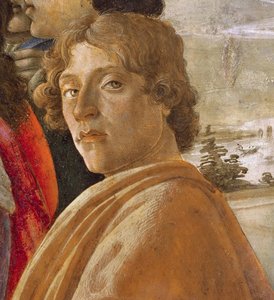
Sandro Botticelli
1445 - 1510 , Italy
Quick Facts
- Artistic Movement Or Style: Early Renaissance
- Artists Or Movements Influenced By This Artist: ['Pre-Raphaelites']
- Artists Who Influenced This Artist:
- Fra Angelico
- Paolo Uccello
- Date Of Birth: c. 1445
- Date Of Death: 1510
- Full Name: Alessandro di Mariano Filipepi
- Nationality: Italian
- Notable Artworks:
- Birth of Venus
- Primavera
- Adoration of the Magi
- Mystic Nativity
- Place Of Birth: Florence, Italy


