

 Preview
 Send
Send Share
Share
 Details

 Download
 Similars
 X-Ray
X-Ray Diaporama
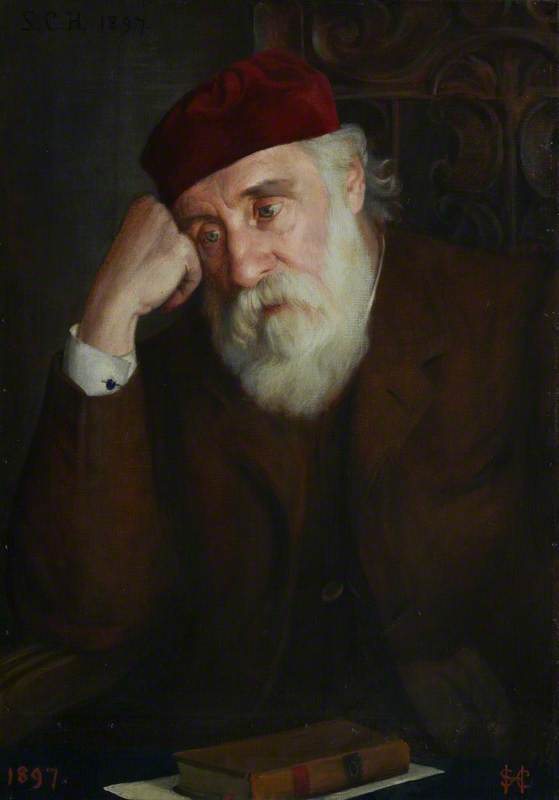
George Macdonald (1824–1905), Poet and Novelist
 1897
1897 75.0 x 55.0 cm
 Read More
Purchase a high-resolution, enhanced digital image, far superior to the online preview.
Each file is meticulously prepared by our in-house specialists using advanced tools and expert manual retouching. We ensure every image has exceptional clarity, precise color accuracy, and fine detail.
The final file is delivered via email within 72 hours, optimized for immediate use in professional, editorial, and print environments. This is the same quality trusted by top-tier design studios, publishers, and galleries.
Digital Image
Download a high-resolution file for personal display, printing, and creative projects. ( Buy Print Buy Hand Made Painting)
Included in Every Digital Image Order
Expert Digital Delivery, Guaranteed
When you choose ArtsDot.com, you're not just getting an image - you're receiving a professionally enhanced digital artwork, crafted with precision and backed by a satisfaction guarantee. Here's everything that comes with your order, automatically:

Fast Email Delivery
Your high-resolution digital image file will be emailed to you within 72 hours of ordering - ready for immediate use.

AI-Enhanced Digital File
Your artwork is professionally optimized using advanced AI tools and manual editing, ensuring maximum detail, clarity, and color accuracy.

Free Lifetime Re-Delivery
Accidentally deleted or lost your file? No worries - we'll resend it to you anytime, free of charge.

No Import Fees - Ever
Enjoy your artwork instantly with zero customs, duties, or delivery fees - digital downloads are always tax-free.

Color Accuracy Guarantee
We ensure your digital image reflects the original colors as closely as possible using professional tools and color management.

60-Day Satisfaction Guarantee
If you're not satisfied with your digital image, we'll revise it or refund 100% within 60 days - no questions asked.

100% Money-Back Guarantee
Not satisfied? Get a full refund within 60 days of receiving your digital file - no questions asked.

Bulk Order Discounts
Buy 3 images, save 10% - Buy 5, save 15% - Buy 10+, save 20%. Great for creative projects, galleries, and agencies.
Related Artworks








Artist Biography
Edvard Munch: A Soul Exposed
Edvard Munch (December 12, 1863 – January 23, 1944) stands as one of the most profoundly influential and emotionally resonant figures in modern art. Born in Løten, Norway, into a family marked by illness and loss, Munch’s life was inextricably linked to themes of anxiety, mortality, and the human condition. His work, characterized by its intensely subjective color palettes, distorted forms, and raw emotional honesty, profoundly impacted both Symbolism and Expressionism, establishing him as a pioneer in exploring the inner landscape of the psyche. His legacy continues to resonate today, offering viewers a visceral connection to the complexities of human experience.Early Life and Influences: A Cradle of Sorrow
Munch’s childhood was shadowed by tragedy and illness. The early deaths of his mother and sister from tuberculosis deeply affected him, instilling within him a lifelong preoccupation with mortality and suffering. His father, a devout Lutheran, instilled in him a sense of unease and skepticism towards traditional religious beliefs. These formative experiences fueled an artistic drive to capture not just the outward appearance of reality but also the underlying currents of emotion and psychological turmoil. He received limited formal training, yet his innate talent blossomed through self-study and exposure to the vibrant bohemian culture of Kristiania (Oslo). Crucially, he encountered figures like Christian Krohg and Henrik Ibsen, whose ideas about individualism and emotional expression profoundly shaped his artistic vision. The influence of French Impressionism, particularly the work of Gauguin and Toulouse-Lautrec, provided him with new techniques for color and composition, while the Symbolist movement offered a framework for exploring subjective experience and spiritual themes.The Emergence of a Distinctive Style: ‘The Scream’ and Beyond
Munch's artistic style evolved dramatically throughout his career, but certain recurring motifs—anguish, isolation, and the grotesque—remain central to his work. His breakthrough came with *The Scream* (1893), an iconic image that has become synonymous with existential dread. The painting’s swirling colors and distorted figure capture a moment of overwhelming anxiety, reflecting Munch's own struggles with mental health and the perceived alienation of modern life. However, *The Scream* is just one facet of his extensive oeuvre. He produced a vast body of work encompassing paintings, prints, drawings, and sculptures, each imbued with a similar intensity of emotion. Key works such as *Madonna*, *Despair*, *Vessel of Melancholy*, and the *Frieze of Life* (a series of fourteen large-scale paintings depicting stages of life) demonstrate his exploration of themes like love, jealousy, death, and the passage of time. His use of color—often vibrant yet unsettling—and distorted forms served not to represent reality but to convey inner states of being.Symbolism, Expressionism, and Lasting Impact
Munch’s work is often categorized within both Symbolism and Expressionism, though he resisted rigid categorization. He was a key figure in the early development of Symbolism, embracing its focus on subjective experience and spiritual themes. Simultaneously, his intensely personal and emotionally charged style anticipated many of the characteristics of Expressionism, which emerged later in the 20th century. Artists like Kirchner and Heckel were deeply influenced by Munch’s exploration of psychological states and his willingness to confront difficult emotions head-on. Munch's influence extends far beyond these movements; he paved the way for artists who sought to express their inner worlds through art, demonstrating that the most powerful art often arises from a deep engagement with personal experience. His work continues to be studied and admired for its honesty, vulnerability, and profound insight into the human condition.A Legacy of Anguish and Beauty
Despite facing periods of mental instability and professional setbacks, Edvard Munch remained a prolific artist until his death in 1944. His work was initially met with criticism and rejection but gradually gained recognition as a masterpiece of modern art. Today, his paintings are displayed in museums around the world, and *The Scream* remains one of the most recognizable images in Western culture. Munch’s legacy is not simply that of an artist who created powerful and disturbing images; it's that of a visionary who dared to expose the darkest corners of the human soul while simultaneously revealing its capacity for beauty and resilience. His art serves as a poignant reminder of our shared vulnerability and the enduring power of emotional expression.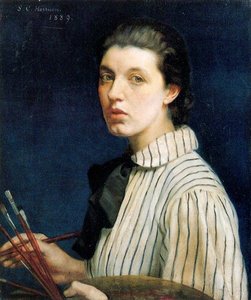
sarah cecilia harrison
1863 - 1941
Quick Facts
- Artistic Movement Or Style: Expressionism, Symbolism
- Artists Or Movements Influenced By This Artist: ['German Expressionism']
- Artists Who Influenced This Artist:
- Vincent van Gogh
- Paul Gauguin
- Date Of Birth: December 12, 1863
- Date Of Death: January 23, 1944
- Full Name: Edvard Munch
- Nationality: Norwegian
- Notable Artworks:
- The Scream
- Madonna
- Vierge
- Despair
- Place Of Birth: Løten, Norway

