 Preview
 Send
Send Share
Share
 Details

 Download
 Similars
 X-Ray
X-Ray Diaporama
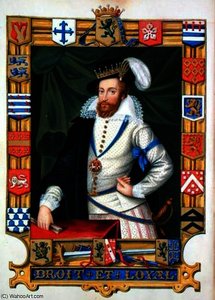
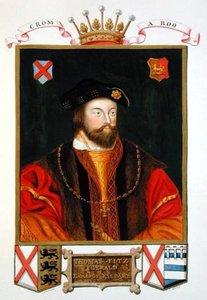
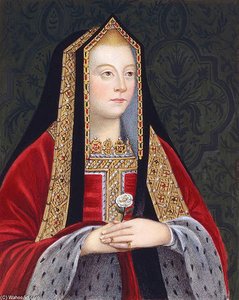
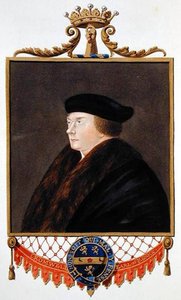
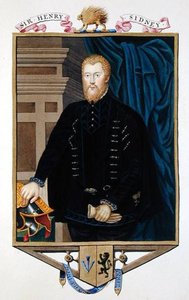
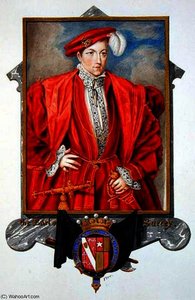
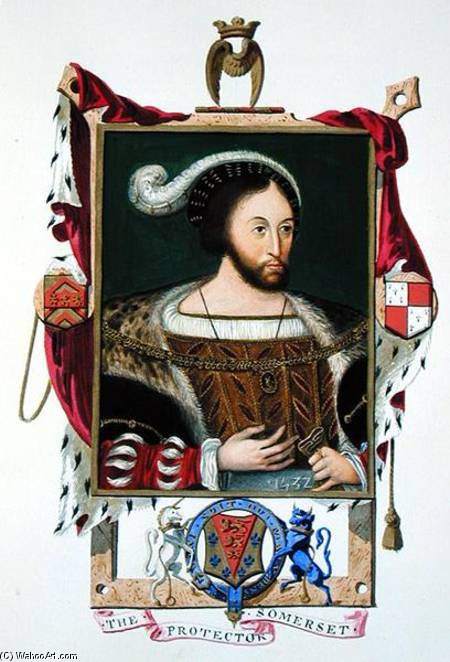
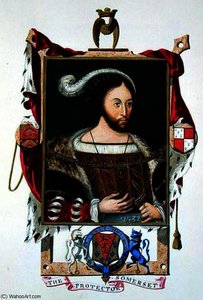
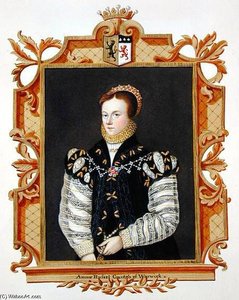
Portrait Of Edward Seymour Lord Protector Of Edward Vi And Duke Of Somerset From 'memoir


 Read More
Hand Made Oil Reproduction
Hand-painted oil on canvas in your size and frame, made to order by our artists. ( Buy Print Buy Image)




































Pick from our preset sizes that match the artwork's original proportions.

You may enter your own dimensions to fit a specific frame or space. If your selected size does not match the original image's proportions, we will either crop the artwork or extend the painting with additional hand-painted elements. A digital mockup will be sent for your approval before production begins.
Please note that the on-screen preview does not reflect the actual cropping or extension. Only the mockup will accurately show the final composition.
While custom sizes are available, we recommend selecting a dimension from the predefined list to preserve the original proportions.
After order, ArtsDot.com team will email client for instructions and provide a mockup preview
Worldwide Delivery () in 3/4 weeks instead of standard 5 weeks. (16 August). No compromise on quality.

Free Worldwide Express Shipping

High-Quality Linen Canvas

Full Shipping Insurance

Customs Tax Refund Guarantee

True Color Matching Guarantee

60-Day Return Policy (Defects Only)

100% Money-Back Guarantee

Bulk Discount Offer
 Glass option is only available in size under 110 CM

Portrait Of Edward Seymour Lord Protector Of Edward Vi And Duke Of Somerset From 'memoir
Reproduction Medium
Reproduction Size
-


Total Price
$ 263
Related Artworks
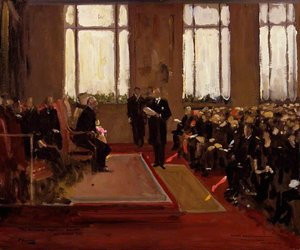
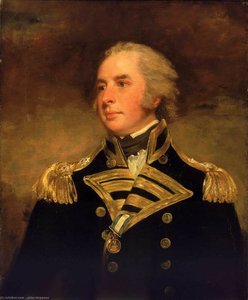
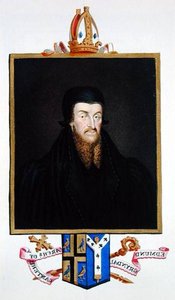
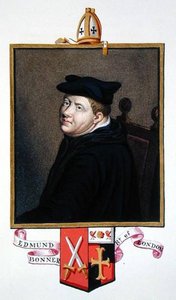
Artist Biography
A Custodian of the Tudor Legacy
In the shifting landscape of British art history, few figures have performed a service as vital and as delicate as Sarah, Countess of Essex. Rather than seeking the fleeting glory of original composition, she dedicated her life to a profound act of preservation, acting as a bridge between the vanished splendor of the Elizabethan era and the burgeoning scholarly interests of the nineteenth century. Her work was not merely an exercise in imitation but a monumental effort to rescue the visual essence of the Tudor court from the encroaching shadows of time and decay.Her artistic journey was deeply intertwined with her social standing, which granted her unparalleled access to historical resources and a deep appreciation for the humanist traditions of her age. Through her meticulous efforts, the faces of the sixteenth century—often lost to the deterioration of original canvases—were brought back into the light. She approached each subject with a scholar's eye, driven by a desire to ensure that the vibrant, political, and religious tapestry of England's golden age remained visible to future generations.
The Art of Meticulous Replication
The technique employed by the Countess was characterized by an extraordinary level of patience and a devotion to scientific accuracy. Eschewing the stylistic innovations of her contemporaries, she focused her energies on an exacting method of transferring the very soul of the masters onto watercolor paper. Using both watercolor and gouache, she painstakingly replicated the pigments and delicate brushstrokes of iconic artists such as Hans Holbein the Younger and Quentin Metsys. This process was a labor of love and precision, where every stroke served to safeguard fragments of history.Her reproductions are distinguished by an incredible attention to detail, particularly in her integration of historical symbolism. A true student of the past, she often incorporated:
- The intricate coat of arms belonging to each subject;
- Carefully researched heraldic devices that provided genealogical context;
- A level of anatomical precision that honored the realism of the original Tudor masters.
A Lasting Historical Testament
The true magnitude of Essex's contribution is most profoundly realized in the publication of the Memoirs of the Court of Queen Elizabeth. Through this monumental project, her portraits found a wider audience, serving as an essential visual record for historians and art enthusiasts alike. In many instances, her surviving copies remain the only extant evidence of original paintings that have since been lost to neglect or the ravages of time. Her work stands as a testament to the power of art to act as a vessel for collective memory.Ultimately, the legacy of Sarah, Countess of Essex, is found not in the creation of new worlds, but in the preservation of old ones. By championing a return to realism and honoring the masters of the past, she ensured that the faces of the Tudor era would continue to inspire and inform. She remains a singular figure whose dedication allowed the ephemeral beauty of the sixteenth century to endure within the pages of history.
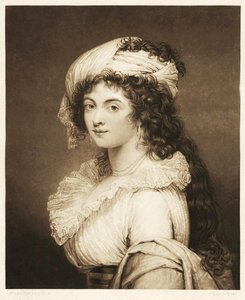
Sarah Countess of Essex
1761 - 1838
Quick Facts
- Artistic Movement Or Style: Watercolor copies
- Artists Or Movements Influenced By This Artist: ['Rococo']
- Date Of Birth: 1759
- Date Of Death: 1838
- Full Name: Sarah Countess of Essex
- Nationality: English
- Notable Artworks:
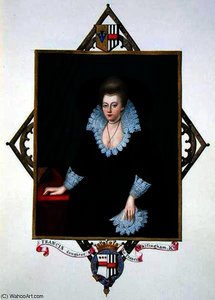
- Portrait of Frances Walsingham from 'Memoirs of the Court of Queen Elizabeth'
- Portrait Of Edmund Bonner
- Portrait Of Charles Howard
- Place Of Birth: England
Related Articles
Edward Hopper's Masterpieces: 25 Iconic Paintings & Their Enduring Legacy | ArtsDot
Explore 25 iconic Edward Hopper paintings & their stories. Discover American realism, urban loneliness, and timeless beauty through his masterpieces. Find museum-quality art reproductions & curated decor ideas at ArtsDot.com.
Sarah Churchill, Countess of Essex: A Patron's Influence on 18th-Century Art & Identity
Explore the fascinating world of Sarah Churchill, Countess of Essex, a pivotal figure in 18th-century art patronage. Discover her influence on Rococo aesthetics and portraiture, and learn about commissioning artworks as a statement of power & identity.
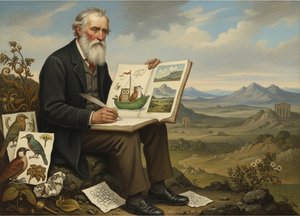
Edward Lear: A Life Beyond Nonsense – Landscape, Illustration & the Poetics of Isolation
Explore the life of Edward Lear beyond his nonsense poems. Discover his stunning landscape paintings, travel illustrations & the poignant themes of isolation in this expert art history analysis.
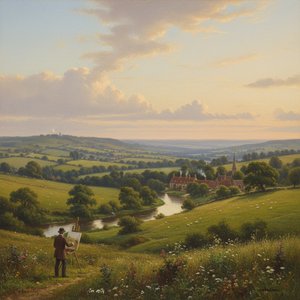
Edward Wilkins Waite: A Victorian Vision of Surrey's Serene Landscapes & Artistic Legacy
Explore the serene landscapes of Edward Wilkins Waite (1854-1924), a prolific Victorian painter celebrated for his depictions of Surrey's countryside. Discover his artistic influences, career highlights & collecting guide.

Edward Hicks’ ‘Peaceable Kingdom’: American Folk Art & the Shaping of a National Identity
Explore the profound symbolism & historical context of Edward Hicks’ ‘Peaceable Kingdom.’ Discover how this iconic American folk art masterpiece reflects Quaker values and shaped a nation's identity. Learn more at ArtsDot.