 Preview
 Send
Send Share
Share
 Details

 Download
 Similars
 X-Ray
X-Ray Diaporama
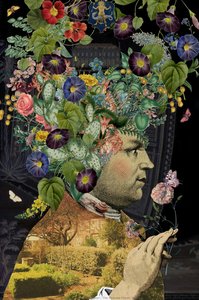
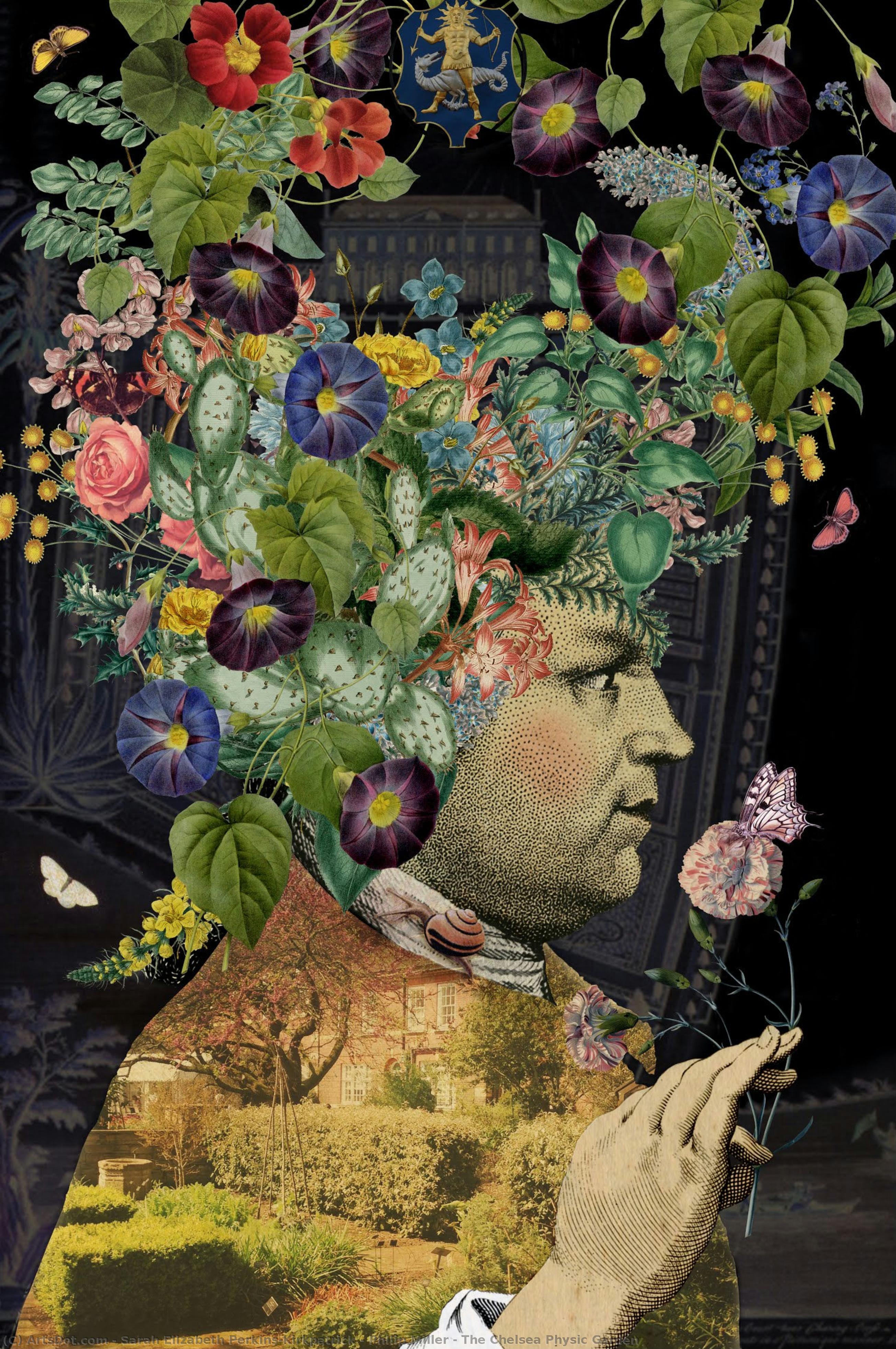
Philip Miller - The Chelsea Physic Garden


 Read More
Giclée / Art Print
Museum-quality giclée or canvas print with fast production and flexible finish options. ( Buy Hand Made Painting Buy Image)




































Pick from our preset sizes that match the artwork's original proportions.

You may enter your own dimensions to fit a specific frame or space. If your selected size does not match the original image's proportions, we will either crop the artwork or extend the image with a mirrored or solid-fill edge. A digital mockup will be sent for your approval before production begins.
Please note that the on-screen preview does not reflect the actual cropping or extension. Only the mockup will accurately show the final composition.
While custom sizes are available, we recommend selecting a dimension from the predefined list to preserve the original proportions.
Worldwide Delivery () in 2 weeks instead of standard 4/5 weeks. (30 August)

Free Worldwide Express Shipping

High-Quality Linen Canvas

Full Shipping Insurance

Customs Tax Refund Guarantee

True Color Matching Guarantee

60-Day Return Policy (Defects Only)

100% Money-Back Guarantee

Bulk Discount Offer
 Glass option is only available in size under 110 CM

Philip Miller - The Chelsea Physic Garden
Giclée / Art Print
Reproduction Size
-


Total Price
$ 63
Related Artworks









Artist Biography
The Architect of Atmosphere: The Scientific Artistry of Sarah Perkins-Kirkpatrick
In the delicate intersection where empirical data meets the visceral reality of our changing world, we find the profound contributions of Sarah Elizabeth Perkins-Kirkpatrick. While her medium is not oil or canvas, but rather the complex, swirling patterns of atmospheric physics and climate modeling, her work possesses a narrative depth that rivals the most evocative landscapes. Born in Canberra, Australia, in 1980, Perkins-Kirkpatrick has dedicated her life to decoding the invisible forces of our planet. Her journey is one of translating the silent, often overlooked shifts in global temperatures into stories that demand human attention, bridging the gap between the cold precision of science and the urgent pulse of community survival.
Her intellectual foundation was laid at the University of New South Wales, where she pursued her undergraduate studies before earning a doctorate in 2010. This period of rigorous academic formation instilled in her a profound respect for the meticulousness required to study the Earth's most volatile systems. As she moved through prestigious institutions such as CSIRO Marine and Atmospheric Research and later the Australian National University, her focus sharpened onto the phenomenon of heatwaves—events that are not merely meteorological anomalies but profound disruptions to the biological and social fabric of our civilization. Through her eyes, a heatwave is more than a rise in temperature; it is a complex composition of pressure, humidity, and human impact.
A Masterpiece of Attribution and Impact
The true significance of Perkins-Kirkpatrick’s work lies in her pioneering role in climate attribution. In the realm of scientific discovery, this is akin to a forensic artist reconstructing a scene from fragmented clues. She has mastered the ability to isolate specific anthropogenic influences within extreme weather events, providing the evidence needed to link human activity directly to devastating climatic consequences. Her landmark research, published in the prestigious Nature journal, serves as a definitive piece of scientific storytelling. By demonstrating how emissions from projects like the Scarborough gas field contributed to lethal heatwaves and increased mortality rates, she challenged the ambiguity that often shields industrial impact from public scrutiny.
This ability to assign responsibility through data has elevated her work from mere observation to a form of global advocacy. Her achievements have been met with significant academic acclaim, including:
- The NSW Young Tall Poppy Prize (2013), recognizing her early brilliance and potential to influence the Australian landscape.
- The Dorothy Hill Award (2021), a prestigious honor from the Australian Academy of Science that celebrates her exceptional contributions to science communication.
- The Director's Prize from the ARC Centre of Excellence for Climate System Science, highlighting her technical mastery in climate modeling.
Bridging the Divide: The Legacy of Communication
Beyond the laboratory and the peer-reviewed journal, Perkins-Kirkpatrick is a tireless champion of science literacy. She understands that data alone cannot move hearts; it requires a voice that can resonate within the halls of policy and the kitchens of everyday citizens. Through her leadership roles in initiatives like Monash University’s Hyperlocal Climate Communicators Project and her work with the World Meteorological Organization, she has become an essential conduit for truth in an era of misinformation. She does not merely present facts; she builds frameworks for understanding risk, helping society visualize a future shaped by the choices made today.
Her legacy is being written in the way we perceive the very air we breathe and the heat we endure. By weaving together the threads of atmospheric science, human health, and social responsibility, Sarah Perkins-Kirkpatrick has created a body of work that is as much about survival as it is about discovery. She remains a vital figure in the global effort to navigate the climate crisis, reminding us that while the patterns of our planet are changing, our ability to understand and respond to them remains our most powerful tool for preservation.
sarah elizabeth perkins-kirkpatrick
1980 - , Australia
Quick Facts
- Artistic Movement Or Style: Climate Science
- Artists Or Movements Influenced By This Artist: ['Mary Elizabeth Winstead']
- Artists Who Influenced This Artist: ['Philip Miller']
- Date Of Birth: 1980
- Full Name: Sarah Elizabeth Perkins-Kirkpatrick
- Nationality: Australian
- Notable Artworks: ['Heatwave Research']
- Place Of Birth: Canberra, Australia