

 Preview
 Send
Send Share
Share
 Details

 Download
 Similars
 X-Ray
X-Ray Diaporama
 Stats
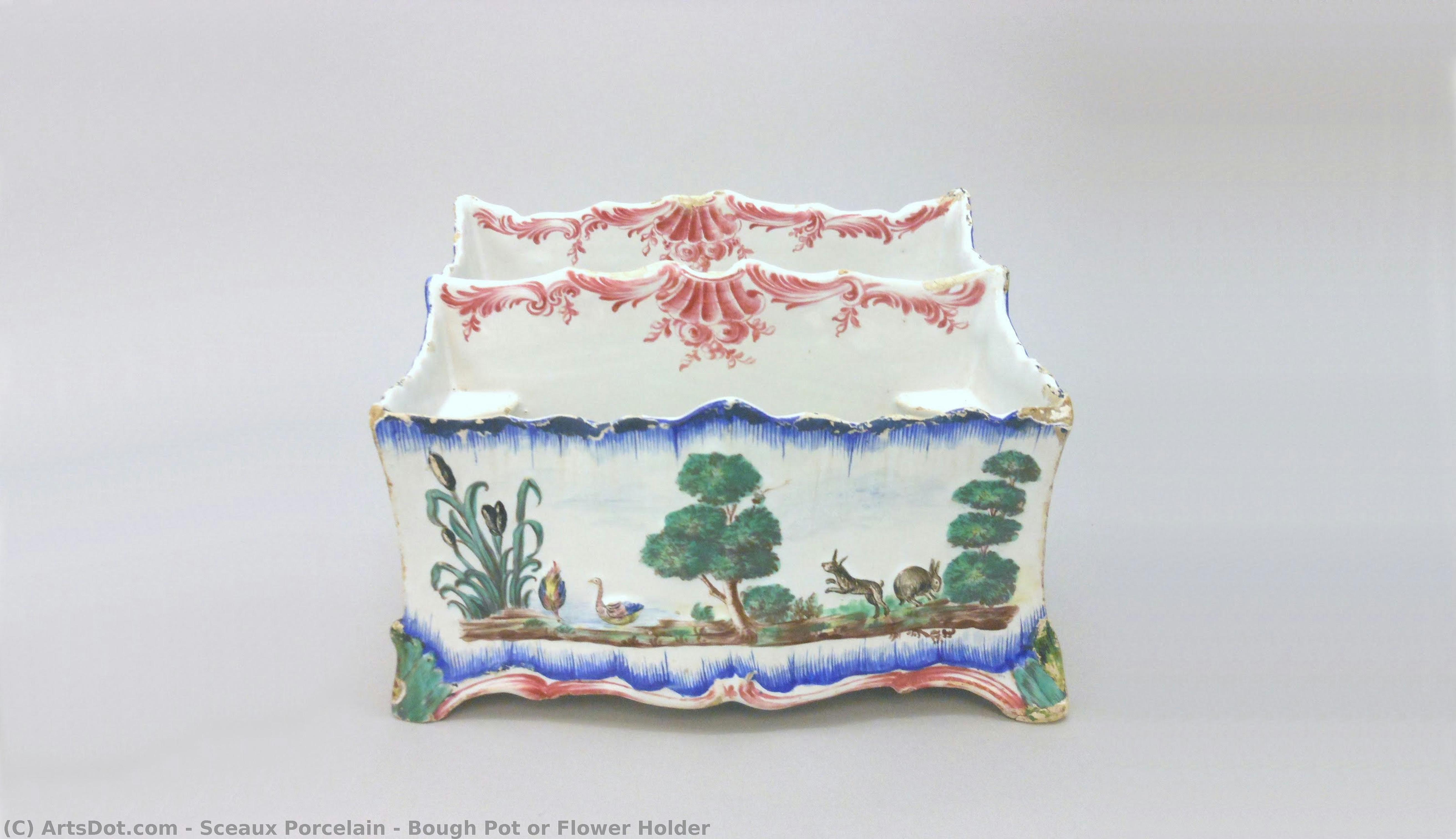
StatsBough Pot or Flower Holder
 1772
1772 14.0 x 17.0 cm
 Gardiner Museum of Ceramic Art
 Read More
Purchase a high-resolution, enhanced digital image, far superior to the online preview.
Each file is meticulously prepared by our in-house specialists using advanced tools and expert manual retouching. We ensure every image has exceptional clarity, precise color accuracy, and fine detail.
The final file is delivered via email within 72 hours, optimized for immediate use in professional, editorial, and print environments. This is the same quality trusted by top-tier design studios, publishers, and galleries.
Digital Image
Download a high-resolution file for personal display, printing, and creative projects. ( Switch to Print Buy Hand Made Painting)
Included in Every Digital Image Order
Expert Digital Delivery, Guaranteed
When you choose ArtsDot.com, you're not just getting an image - you're receiving a professionally enhanced digital artwork, crafted with precision and backed by a satisfaction guarantee. Here's everything that comes with your order, automatically:

Fast Email Delivery
Your high-resolution digital image file will be emailed to you within 72 hours of ordering - ready for immediate use.

AI-Enhanced Digital File
Your artwork is professionally optimized using advanced AI tools and manual editing, ensuring maximum detail, clarity, and color accuracy.

Free Lifetime Re-Delivery
Accidentally deleted or lost your file? No worries - we'll resend it to you anytime, free of charge.

No Import Fees - Ever
Enjoy your artwork instantly with zero customs, duties, or delivery fees - digital downloads are always tax-free.

Color Accuracy Guarantee
We ensure your digital image reflects the original colors as closely as possible using professional tools and color management.

100-Day Satisfaction Guarantee
If you're not satisfied with your digital image, we'll revise it or refund 100% within 100 days - no questions asked.

100% Money-Back Guarantee
Not satisfied? Get a full refund within 100 days of receiving your digital file - no questions asked.

Bulk Order Discounts
Buy 3 images, save 10% - Buy 5, save 15% - Buy 10+, save 20%. Great for creative projects, galleries, and agencies.
Related Artworks







Artist Biography
Sceaux Porcelain: A Legacy of Rococo Elegance
Sceaux porcelain stands as a testament to the artistic fervor of 18th-century France, specifically during the reign of Louis XV. Established in 1748 by Louis François de Bey and Jacques Chapelle—a partnership that would redefine French ceramic artistry—the Sceaux Manufactory quickly gained renown for its exquisite tin-glazed earthenware and porcelain creations. Unlike the rigid constraints imposed upon Vincennes, the royal porcelain factory established in 1745, Sceaux embraced a more liberal aesthetic, drawing inspiration from the opulent rococo style prevalent throughout Europe. This stylistic choice profoundly shaped the decorative motifs adorning their pieces—lush landscapes populated by idealized figures alongside meticulously rendered floral arrangements and avian depictions—reflecting the aristocratic tastes of the era.- Origins & Patronage: The founding of Sceaux was driven by Louis François de Bey’s ambition to establish a rival porcelain factory, fueled by royal patronage from Anne Louise Bénédicte du Maine, wife of Louis Auguste de Bourbon, Duke of Maine. This alliance ensured access to skilled artisans and fostered innovation within the workshop.
- Jacques Chapelle: Jacques Chapelle joined forces with Bey in 1748, bringing invaluable experience honed at Rue de Charenton—the Meissen factory—and elevating Sceaux’s artistic standards. Chapelle's leadership proved crucial in attracting talent and establishing a distinctive visual language.
- Rococo Influence: The rococo style dominated Sceaux’s output from 1750 onwards, mirroring trends seen at Chantilly and Mennecy. Artists skillfully employed curvilinear forms, pastel hues, and elaborate ornamentation to convey beauty and refinement—themes central to aristocratic sensibilities.
Technique & Artistic Style
Sceaux porcelain’s distinctive character stemmed from its masterful technique. Unlike the stiff paste porcelain favored by Vincennes, Sceaux utilized a softer clay body, allowing for greater plasticity during molding and facilitating intricate decoration. The process began with applying a layer of slip—a watery mixture of clay—to create a base for subsequent painting. Skilled enamelists then meticulously applied layers of colored glazes using brushes and stencils, achieving remarkable color fidelity and luminosity. Gilding—the application of thin sheets of gold—added shimmering accents to surfaces, enhancing the visual impact of floral garlands, landscapes, and mythological scenes. The meticulous attention to detail—evident in every brushstroke and glaze tint—underscored Sceaux’s commitment to artistic excellence.- Slip Application: A thin layer of slip was applied to the porcelain surface before painting, ensuring a stable base for subsequent enamel decoration.
- Enamel Painting: Artists employed brushes and stencils to apply multiple layers of colored glazes—often incorporating enamels—creating vibrant hues and capturing subtle tonal variations.
- Gilding Techniques: Gold leaf was delicately applied to surfaces using burnishing tools, adding luxurious embellishments and highlighting decorative elements.
Notable Works & Decorative Motifs
Sceaux porcelain’s artistic output encompassed a breathtaking range of subjects—landscapes depicting idealized pastoral scenes, portraits capturing aristocratic grandeur, and floral compositions celebrating the beauty of nature. Recurring motifs included garlands of flowers—roses, lilies, violets—fruit baskets overflowing with luscious produce, and birds perched atop branches—symbolizing fertility and grace. The Sceaux Manufactory’s artists skillfully rendered these elements with astonishing precision, reflecting the prevailing artistic conventions of their time. Pieces like “Plate With A Male Figure In Landscape” exemplify this dedication to realism combined with decorative splendor. Similarly, "Bough Pot Or Flower Holder" showcases the meticulous depiction of botanical forms—a testament to Sceaux's reputation for floral artistry.Historical Significance & Legacy
Despite facing challenges posed by Vincennes’s monopoly and stylistic restrictions imposed by Louis XV’s reign, Sceaux persevered as a beacon of artistic innovation. The factory’s embrace of rococo aesthetics—coupled with its commitment to technical excellence—established it as one of France's foremost ceramic centers during the mid-18th century. Its influence extended beyond the confines of Paris, inspiring artisans across Europe and contributing to the broader dissemination of rococo ideals. Today, Sceaux porcelain remains a treasured exemplar of French decorative arts—a captivating reminder of an era defined by elegance, refinement, and artistic brilliance. The Musée du Domaine départemental de Sceaux houses impressive collections showcasing this legacy.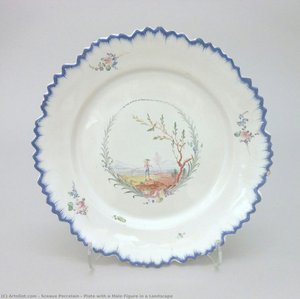
sceaux porcelain
1748 - 1794 , France
Quick Facts
- Artistic Movement Or Style: Rococo
- Artists Or Movements Influenced By This Artist: ['Sèvres']
- Artists Who Influenced This Artist: ['Jacques Chapelle']
- Date Of Death: 1794
- Full Name: sceaux porcelain
- Nationality: French
- Notable Artworks:
- Plate with a Male Figure in a Landscape
- Bough Pot or Flower Holder
- Place Of Birth: France