 Preview
 Send
Send Share
Share
 Details

 Download
 Similars
 X-Ray
X-Ray Diaporama
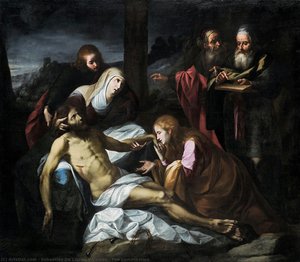
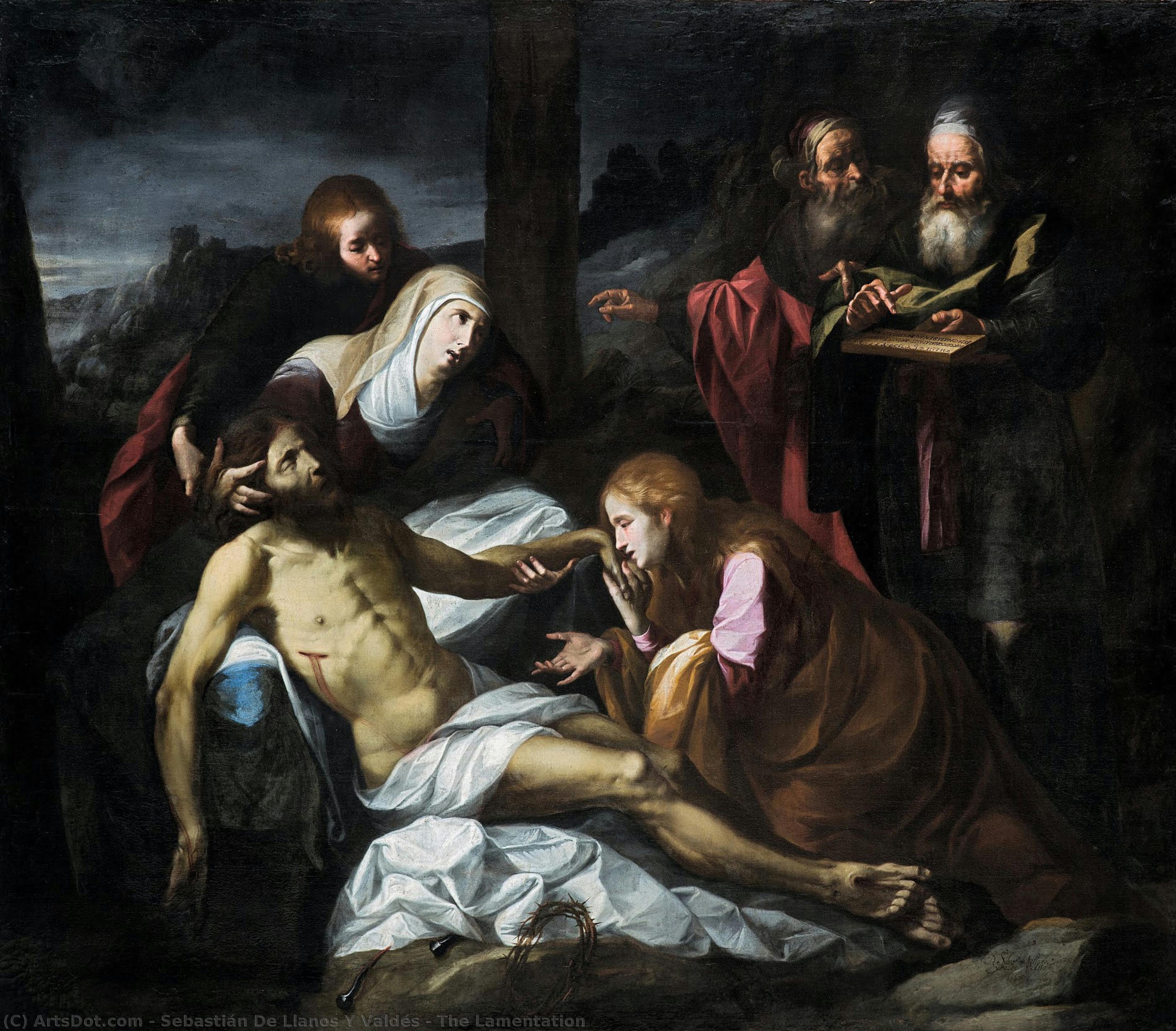
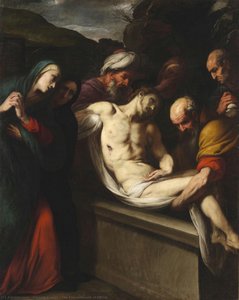
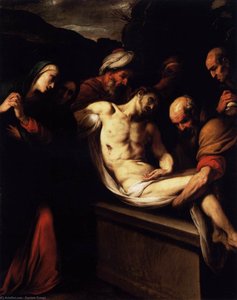
The Lamentation
 1667
1667 195.0 x 235.0 cm
 Museo de Arte de Ponce
 Read More
Hand Made Oil Reproduction
Hand-painted oil on canvas in your size and frame, made to order by our artists. ( Buy Print Buy Image)




































Pick from our preset sizes that match the artwork's original proportions.

You may enter your own dimensions to fit a specific frame or space. If your selected size does not match the original image's proportions, we will either crop the artwork or extend the painting with additional hand-painted elements. A digital mockup will be sent for your approval before production begins.
Please note that the on-screen preview does not reflect the actual cropping or extension. Only the mockup will accurately show the final composition.
While custom sizes are available, we recommend selecting a dimension from the predefined list to preserve the original proportions.
After order, ArtsDot.com team will email client for instructions and provide a mockup preview
Worldwide Delivery () in 3/4 weeks instead of standard 5 weeks. (22 August). No compromise on quality.

Free Worldwide Express Shipping

High-Quality Linen Canvas

Full Shipping Insurance

Customs Tax Refund Guarantee

True Color Matching Guarantee

60-Day Return Policy (Defects Only)

100% Money-Back Guarantee

Bulk Discount Offer
 Glass option is only available in size under 110 CM

The Lamentation
Reproduction Medium
Reproduction Size
-


Total Price
$ 263
Artwork Description
Related Artworks




Artist Biography
The Shadowed Palette: Exploring the Life and Art of Jean-Baptiste Bellet
Jean-Baptiste Bellet (1677 – 1677), a name tragically etched in the annals of French art history, remains an enigma—a fleeting presence whose work, though remarkably accomplished, was largely obscured by circumstance and ultimately lost to time. Born into a modest family in Paris, Bellet’s life unfolded with a swiftness that mirrored the intensity of his artistic vision. Little is definitively known about his early years; records are sparse, hinting at a childhood marked by both hardship and an innate appreciation for beauty—a seed that would blossom into a remarkable career. His origins suggest a lineage steeped in craftsmanship, possibly connected to the burgeoning world of Parisian artisans, though no formal training has been conclusively identified. This lack of documented instruction is itself a poignant element of his story – a testament to the independent spirit and self-taught mastery that characterized his approach. Bellet’s artistic journey began with a fervent dedication to capturing the nuances of light and shadow, a fascination that would become the hallmark of his distinctive style. Unlike many artists of his era who sought patronage through established salons or grand commissions, Bellet operated largely outside these conventional channels. He initially gained recognition for his portraits, quickly establishing a reputation for an uncanny ability to render the psychological depth of his subjects—their anxieties, hopes, and vulnerabilities laid bare with startling realism. His portraits weren’t merely likenesses; they were windows into the souls of those he depicted, imbued with a subtle emotional resonance that distinguished him from the more formal and idealized representations prevalent at the time. His early works, primarily executed in oil on canvas, demonstrate an immediate command of technique—a mastery of brushwork, color mixing, and chiaroscuro (the dramatic contrast between light and dark) that belied his lack of formal training. Bellet’s artistic development was profoundly shaped by the prevailing intellectual currents of 17th-century France – particularly the influence of Caravaggio and Rembrandt. These masters, renowned for their masterful use of tenebrism and their ability to evoke profound emotion through light and shadow, served as silent mentors, guiding Bellet's exploration of these techniques. However, Bellet didn’t simply imitate his predecessors; he synthesized their lessons into a uniquely personal style—characterized by an almost obsessive attention to detail, a subtle use of color, and a remarkable sensitivity to the play of light on surfaces. His compositions were often intimate and contemplative, frequently featuring solitary figures engaged in quiet activities – reading, writing, or simply gazing out at the world. These scenes, rendered with meticulous precision and imbued with a palpable sense of melancholy, resonated deeply with viewers who recognized in them a reflection of their own inner lives. Despite his considerable talent and growing acclaim, Bellet’s career was tragically cut short by a devastating personal tragedy. In 1677, he lost his wife, Marie-Thérèse, to childbirth—a loss that shattered him profoundly. Unable to bear the pain of separation, Bellet succumbed to despair and took his own life just weeks later. His death remains shrouded in mystery; some accounts suggest a deliberate act of self-destruction, while others speculate about a possible mental breakdown brought on by grief. The circumstances surrounding his demise are as enigmatic as his art—a poignant reminder of the fragility of genius and the devastating impact of personal loss. The remarkable thing about Bellet’s legacy is that almost all of his work was destroyed shortly after his death. A wealthy collector, eager to acquire a collection of portraits, purchased several of Bellet's paintings but, finding them lacking in the grandeur he expected, had them systematically slashed and burned. This act of destruction robbed the art world of a truly exceptional talent—a master whose unique vision deserved to be celebrated. Remarkably, only a handful of his works have survived – primarily sketches and preparatory drawings that offer tantalizing glimpses into his creative process. These fragments, however, speak volumes about his extraordinary skill and artistic sensibility. Today, Bellet is increasingly recognized as one of the most important, yet tragically overlooked, portraitists of the late 17th century—a testament to the enduring power of art to transcend time and circumstance. His work serves as a poignant reminder that genius can be fleeting, and that the preservation of cultural heritage is an ongoing responsibility.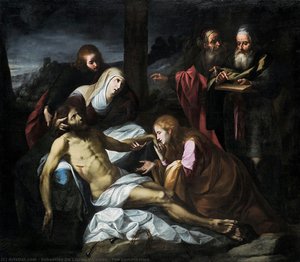
sebastián de llanos y valdés
1677 , Spain