 Preview
 Send
Send Share
Share
 Details

 Download
 Similars
 X-Ray
X-Ray Diaporama
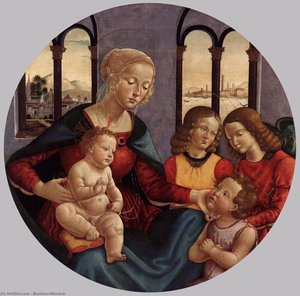
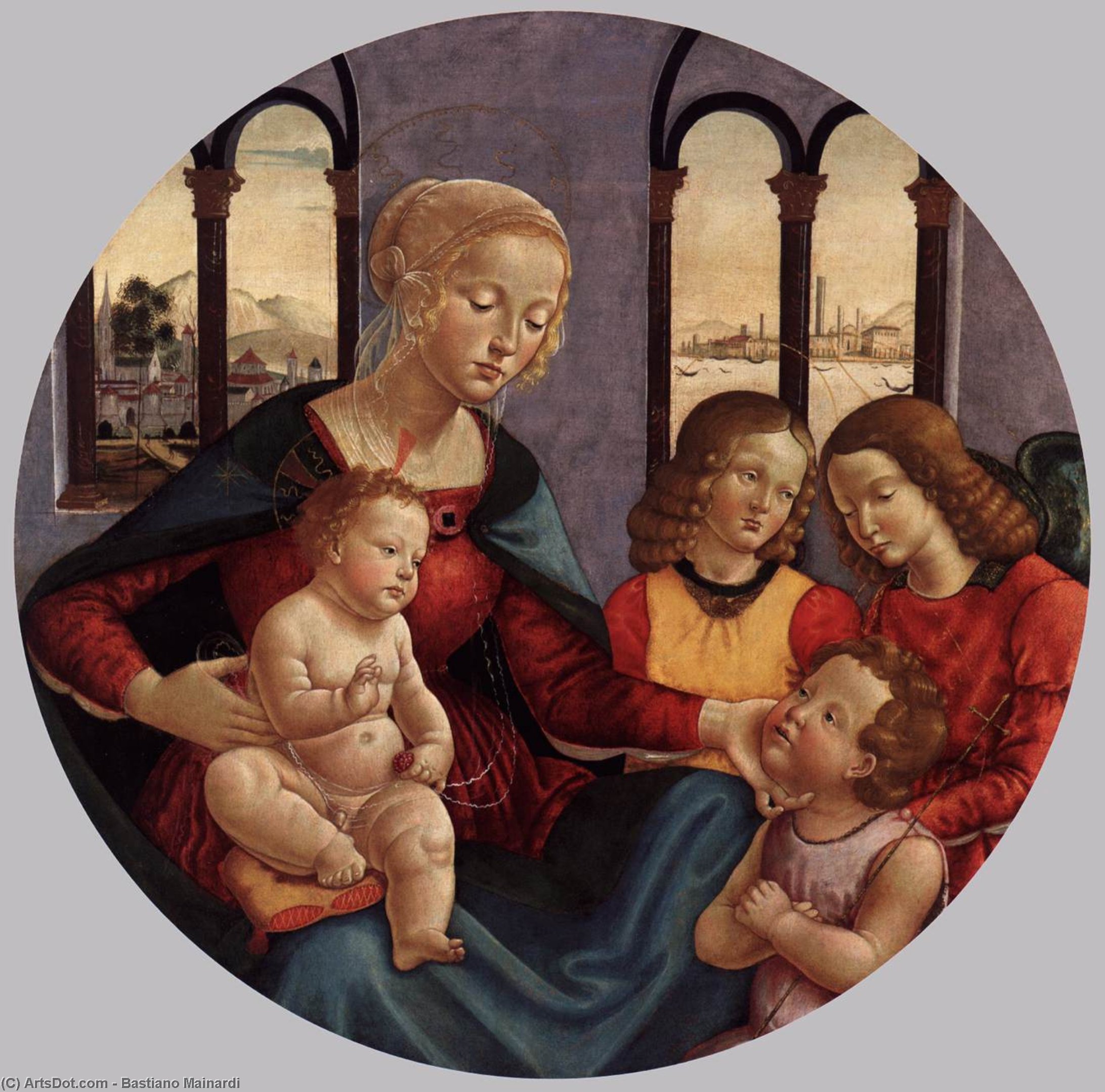
Madonna with Child, the Young St John and Two Angels
 Early Renaissance
 1500
1500- Renaissance
 82.0 x 82.0 cm
 Liechtenstein Museum
 Read More
Hand Made Oil Reproduction
Hand-painted oil on canvas in your size and frame, made to order by our artists. ( Buy Print Buy Image)




P118B $10

P118H $10

P118W $10

P438Z $10

P508JH $12

P508YH $12

P805H $10

P805Z $10

P919BZ $10

P919G $10

P919XJ $10

P959ZH $10

P968JZ $12

W106C $8

W218G $10

W218JH $8

W218Y $10

W307PJ $10

W316G $10

W316PJ $8

W316Y $10

W398PJ $8

W4111J $10

W500HY $15

W500JH $15

W692G $12

W849H $8

W940BG $15

W953PJ $8




Pick from our preset sizes that match the artwork's original proportions.

You may enter your own dimensions to fit a specific frame or space. If your selected size does not match the original image's proportions, we will either crop the artwork or extend the painting with additional hand-painted elements. A digital mockup will be sent for your approval before production begins.
Please note that the on-screen preview does not reflect the actual cropping or extension. Only the mockup will accurately show the final composition.
While custom sizes are available, we recommend selecting a dimension from the predefined list to preserve the original proportions.
After order, ArtsDot.com team will email client for instructions and provide a mockup preview
Worldwide Delivery () in 3/4 weeks instead of standard 5 weeks. (17 August). No compromise on quality.

Free Worldwide Express Shipping

High-Quality Linen Canvas

Full Shipping Insurance

Customs Tax Refund Guarantee

True Color Matching Guarantee

60-Day Return Policy (Defects Only)

100% Money-Back Guarantee

Bulk Discount Offer
 Glass option is only available in size under 110 CM

Madonna with Child, the Young St John and Two Angels
Reproduction Medium
Reproduction Size
-


Total Price
$ 263
Artwork Description
A Vision of Florentine Grace
In the quiet, luminous realm of Sebastiano Mainardi’s Madonna with Child, the Young St John and Two Angels, time seems to suspend itself within a moment of divine tenderness. Painted around 1500, this masterpiece serves as a breathtaking window into the heart of the Early Renaissance. The composition centers on the Virgin Mary, whose serene countenance radiates a maternal warmth that is both profoundly human and ethereally holy. Held closely in her arms, the Christ Child becomes the focal point of a celestial gathering, flanked by two watchful angels whose presence adds a rhythmic depth to the sacred scene. This is not merely a religious icon; it is an intimate portrait of devotion, captured with the delicate precision that defined the Florentine school.
The artistry of Mainardi, a pupil of the legendary Domenico Ghirlandaio, shines through in the meticulous handling of light and form. The technique employs a harmonious color palette where soft, skin-like tones meet the rich, textured fabrics of the figures' garments. As your eyes wander from the central figures toward the background, a masterful use of perspective reveals a sprawling cityscape framed by a window, suggesting that the divine is not separate from our world, but intimately woven into it. The distant view of boats upon a shimmering body of water introduces a maritime tranquility, grounding the spiritual subject matter in a tangible, earthly reality that invites the viewer to step directly into the landscape.
Symbolism and the Renaissance Spirit
Every element within this composition is imbued with layers of meaning designed to stir the soul. The presence of the Young St John serves as a prophetic bridge between the Old and New Testaments, while the angels act as intermediaries between the heavens and the earth. The window, a classic Renaissance motif, functions as more than just a structural detail; it acts as a threshold between the sacred interior space and the bustling, mortal world outside. This juxtaposition of the eternal and the temporal creates a profound emotional resonance, reminding the observer of the omnipresence of the divine within the everyday rhythms of life.
For the discerning collector or interior designer, this painting offers an unparalleled opportunity to introduce a sense of historical prestige and contemplative calm into a living space. The balanced composition and the soft, diffused lighting make it a versatile centerpiece that complements both classical and contemporary settings. Whether placed in a sunlit gallery or a sophisticated study, the work commands attention through its subtle elegance rather than through sheer scale. Owning a high-quality reproduction of this Mainardi treasure is an invitation to surround oneself with the enduring beauty of the Italian Renaissance, fostering an atmosphere of peace, intellect, and timeless sophistication.
Related Artworks
Artist Biography
The Florentine Legacy of Sebastiano Mainardi
In the golden era of the Italian Renaissance, where the light of humanism began to illuminate the shadows of the Middle Ages, Sebastiano Mainardi emerged as a vital, though often understated, voice within the Florentine school. Born in the picturesque hilltop town of San Gimignano around 1460, Mainardi’s artistic journey was deeply rooted in the fertile soil of Tuscany. While history frequently shines its brightest spotlight on the titans of the era, it is through the meticulous work of artists like Mainardi that we truly grasp the cohesive texture of the Florentine Renaissance. His life and career were inextricably linked to the great masters of his time, most notably Domenico Ghirlandaio, whose influence acted as the foundational pillar for Mainardi’s developing style.
The apprenticeship of Mainardi under Ghirlandaio was more than a mere period of training; it was an immersion into a sophisticated visual language characterized by clarity, anatomical precision, and a profound sense of narrative grace. Through this lineage, Mainardi inherited a mastery of fresco technique and a penchant for harmonious color palettes that would define much of his oeuvre. This connection is perhaps most poignantly captured in the historical records of the Tornabuoni Chapel, where glimpses of Mainardi working alongside his master suggest a collaborative spirit that helped shape some of the most significant religious decorations in Florence. His ability to navigate the complexities of large-scale monumental painting allowed him to contribute to the very fabric of Florentine sacred spaces.
Devotion and Grace in Portraiture
While his contributions to fresco cycles demonstrate a command over grand, architectural narratives, Mainardi found a unique and enduring resonance in the intimate realm of devotional portraiture. He became particularly renowned for his depictions of the Madonna and Child, works that serve as windows into the spiritual tenderness of the period. In these paintings, one observes a delicate balance between the idealized beauty of the divine and a palpable, human warmth. His Madonnas are rarely distant or cold; instead, they possess a serene, tranquil expression that invites the viewer into a moment of quiet contemplation.
The technical execution of these portraits reveals a sophisticated understanding of light and drapery. Mainardi utilized subtle gradations of tone to give form to the soft features of the Virgin, while the heavy, rhythmic folds of her garments reflect the Ghirlandaio tradition of tactile realism. His compositions often include various saints, creating a celestial hierarchy that is both structurally balanced and emotionally accessible. Through these works, Mainardi achieved a specific type of artistic triumph:
- Mastery of Perspective: Integrating sacred figures into believable, three-dimensional spaces.
- Emotional Depth: Capturing the profound, maternal tenderness essential to Renaissance piety.
- Stylistic Refinement: Utilizing a palette that emphasizes clarity and luminous skin tones.
A Lasting Impression on Florentine Art
As the 15th century transitioned into the 16th, Mainardi’s involvement in significant projects, such as the decoration of the Abbey of Passignano, solidified his reputation as a reliable and skilled hand within the Tuscan artistic community. Though the specific details of his later years remain somewhat obscured by the passage of time, his historical significance is undeniable. He represents the essential bridge between the rigorous, observational style of the early Florentine masters and the more fluid, emotive developments that would follow in the High Renaissance.
Today, when we look upon the surviving fragments of his work—whether it be a detailed scene within a larger fresco or a solitary, hauntingly beautiful portrait of a saint—we see the enduring legacy of a man who helped define the visual identity of Florence. Sebastiano Mainardi remains a testament to the power of tradition and the beauty of devotion, reminding us that the greatness of an era is built not only by its most famous icons but by the dedicated masters who breathed life into its most sacred visions.
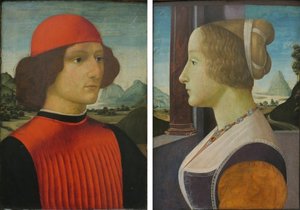
sebastiano mainardi
1460 - 1513 , Italy
Quick Facts
- Artistic Movement Or Style: Early Renaissance
- Artists Or Movements Influenced By This Artist: ['Renaissance']
- Artists Who Influenced This Artist: ['Domenico Ghirlandaio']
- Date Of Birth: c.1460
- Date Of Death: 1513
- Full Name: Sebastiano Mainardi
- Nationality: Italian
- Notable Artworks:
- St. Sebastiano fouri le Mura
- Appeals Tornabuoni
- Place Of Birth: San Gimignano, Italy
Related Articles
Celestial Messengers: Angels in Painting – A Historical & Artistic Exploration
Explore the captivating history of angels in painting! Discover symbolism, iconic Renaissance & Byzantine masterpieces, and renowned artists. Expert insights for art lovers & collectors at ArtsDot.
Celestial Messengers: A Comprehensive Exploration of Angelic Representation in Art History
Explore the captivating history of angels in art! Discover symbolism, iconic Renaissance masterpieces & renowned artists. Expert insights for art lovers & collectors at ArtsDot.
Raphael's Masterpieces: 25 Iconic Paintings & Renaissance Art for Your Home
Explore 25 breathtaking Raphael paintings! Journey through the Italian Renaissance with masterpieces like 'School of Athens' & iconic Madonnas. Find museum-quality art reproductions and elevate your home decor on ArtsDot.com.
Botticelli's Masterpieces: Explore 25 Iconic Renaissance Paintings | ArtsDot
Journey through Botticelli's world with 25 iconic Renaissance paintings. Explore 'Birth of Venus,' 'Primavera,' and more—stories, techniques & timeless beauty. Find museum-quality art reproductions for your home at ArtsDot.com.
Uffizi's 25 Masterpieces: Renaissance Art & Timeless Decor Inspiration
Journey through the Uffizi Gallery's 25 most iconic Renaissance artworks! Explore Botticelli, Leonardo da Vinci & Michelangelo’s masterpieces. Find museum-quality art reproductions and curated decor ideas to bring timeless Italian beauty into your home. Discover all masterpieces on ArtsDot.com