 Preview
 Send
Send Share
Share
 Details

 Download
 Similars
 X-Ray
X-Ray Diaporama
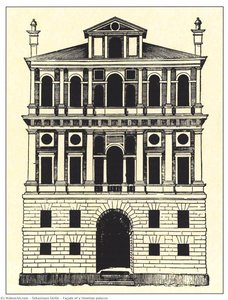
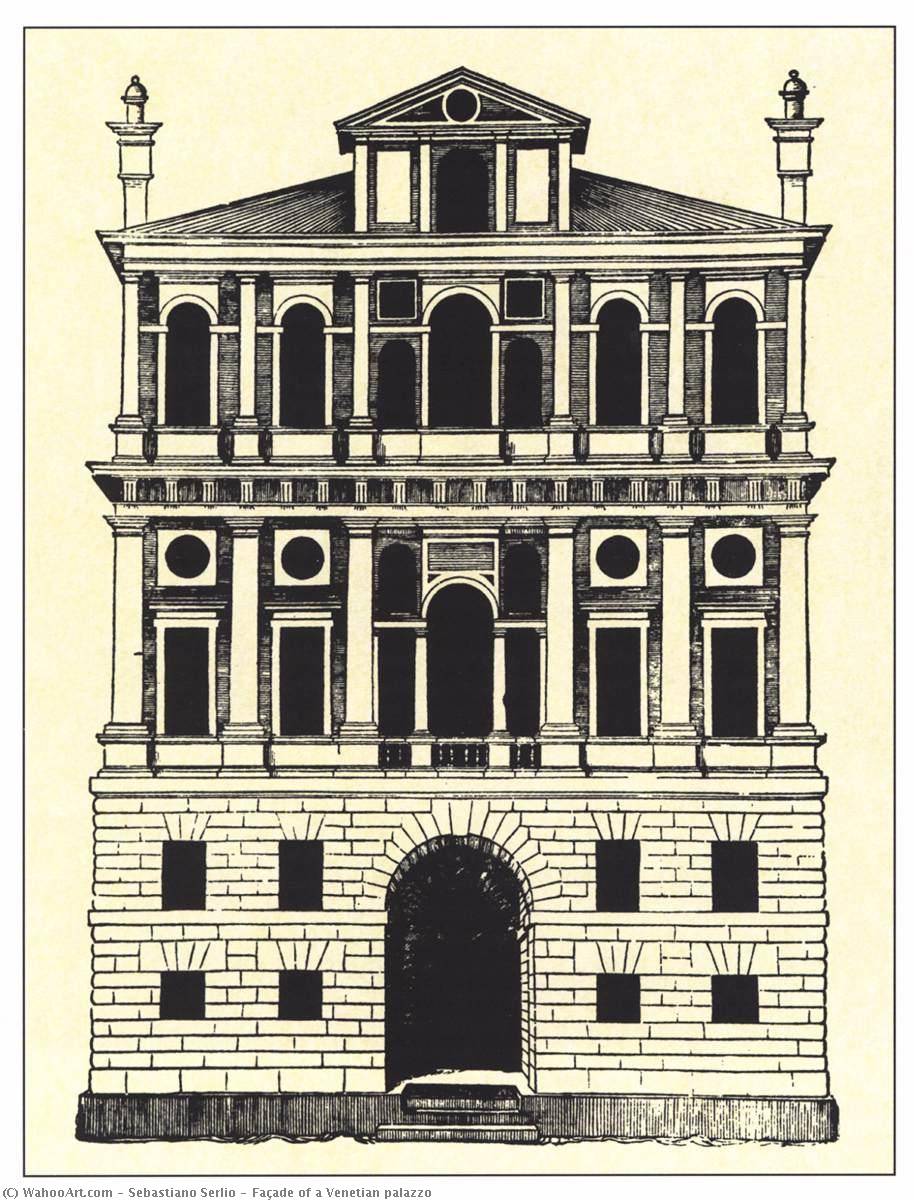
Façade of a Venetian palazzo

 Read More
Giclée / Art Print
Museum-quality giclée or canvas print with fast production and flexible finish options. ( Buy Hand Made Painting Buy Image)




































Pick from our preset sizes that match the artwork's original proportions.

You may enter your own dimensions to fit a specific frame or space. If your selected size does not match the original image's proportions, we will either crop the artwork or extend the image with a mirrored or solid-fill edge. A digital mockup will be sent for your approval before production begins.
Please note that the on-screen preview does not reflect the actual cropping or extension. Only the mockup will accurately show the final composition.
While custom sizes are available, we recommend selecting a dimension from the predefined list to preserve the original proportions.
Worldwide Delivery () in 2 weeks instead of standard 4/5 weeks. (30 August)

Free Worldwide Express Shipping

High-Quality Linen Canvas

Full Shipping Insurance

Customs Tax Refund Guarantee

True Color Matching Guarantee

60-Day Return Policy (Defects Only)

100% Money-Back Guarantee

Bulk Discount Offer
 Glass option is only available in size under 110 CM

Façade of a Venetian palazzo
Giclée / Art Print
Reproduction Size
-


Total Price
$ 63
Related Artworks









Artist Biography
Sebastiano Serlio: Architect of Renaissance Vision
Sebastiano Serlio (6 September 1475 – c. 1554) stands as a pivotal figure in the architectural landscape of the Italian Renaissance, recognized primarily for his groundbreaking treatise *Tutte l'opere d’architettura et prospetiva*, which irrevocably shaped artistic thought and practice across Europe. Though Serlio’s buildings themselves remain relatively scarce—primarily two doorways at Fontainebleau and the Château d’Ancy-le-Franc—his influence transcends physical structures, residing instead in his seminal work that codified classical principles of design and ushered in a new era of architectural innovation.Early Life and Artistic Training
Born in Bologna, Serlio's formative years were steeped in humanist scholarship, nurtured by the intellectual fervor of the University city. His early artistic inclinations led him to pursue painting alongside architecture, honing his skills under the tutelage of Baldassare Peruzzi—a master whose own explorations into Mannerist aesthetics profoundly impacted Serlio’s thinking. This mentorship proved crucial, establishing a foundation for Serlio's subsequent engagement with the burgeoning architectural scene in Rome and fostering an unwavering commitment to meticulous observation and reasoned analysis.The Treatise: A Revolution in Architectural Thought
Serlio’s magnum opus, *Tutte l’opere d’architettura et prospetiva*, represents more than just a compilation of architectural drawings; it constitutes a philosophical reimagining of classical ideals. Published between 1537 and 1575, the treatise challenged prevailing conventions by prioritizing practical instruction alongside theoretical considerations—a radical departure from earlier treatises that primarily catered to scholarly elites. Serlio’s meticulous use of illustrations, meticulously rendered perspectives, and detailed diagrams served as a catalyst for disseminating knowledge throughout Europe, establishing him as the foremost architect theorist of his time. He skillfully blended Peruzzi's influence with Vitruvius’s *De Architectura*, creating a synthesis that championed symmetry, proportion, and geometric precision—principles that would dominate architectural design for decades to come.Influence on Renaissance Architecture
Serlio’s treatise exerted an undeniable sway over the stylistic developments of the Renaissance, particularly in France and Italy. Architects embraced his systematic approach to designing buildings, incorporating his innovative techniques into their projects. The Château d’Ancy-le-Franc stands as a testament to Serlio's vision—a harmonious blend of classical grandeur and humanist ideals that embodies the spirit of the era. Furthermore, Serlio’s advocacy for central perspective revolutionized theatrical design, elevating the visual experience for audiences and cementing his legacy as an innovator who reshaped both art and culture.Legacy and Historical Significance
Sebastiano Serlio's enduring contribution to architectural history lies not merely in his buildings but in his treatise—a document that fundamentally altered artistic discourse and established a new paradigm for architectural education. By prioritizing observation, experimentation, and reasoned analysis, Serlio championed the humanist spirit of inquiry that characterized the Renaissance, leaving an indelible mark on European art and culture. His influence continues to resonate today, reminding us of the transformative power of intellectual curiosity and the importance of upholding classical ideals in artistic endeavors.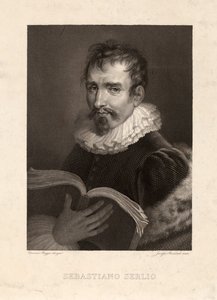
sebastiano serlio
1475 -
Quick Facts
- Artistic Movement Or Style: Mannerism
- Artists Or Movements Influenced By This Artist: ['Renaissance']
- Artists Who Influenced This Artist: ['Baldassarre Peruzzi']
- Date Of Birth: September 6, 1475
- Full Name: Sebastiano Serlio
- Nationality: Italian
- Notable Artworks: ['Tutte l’opere d’architettura et prospetiva']
- Place Of Birth: Bologna, Italy