

 Preview
 Send
Send Share
Share
 Details

 Download
 Similars
 X-Ray
X-Ray Diaporama
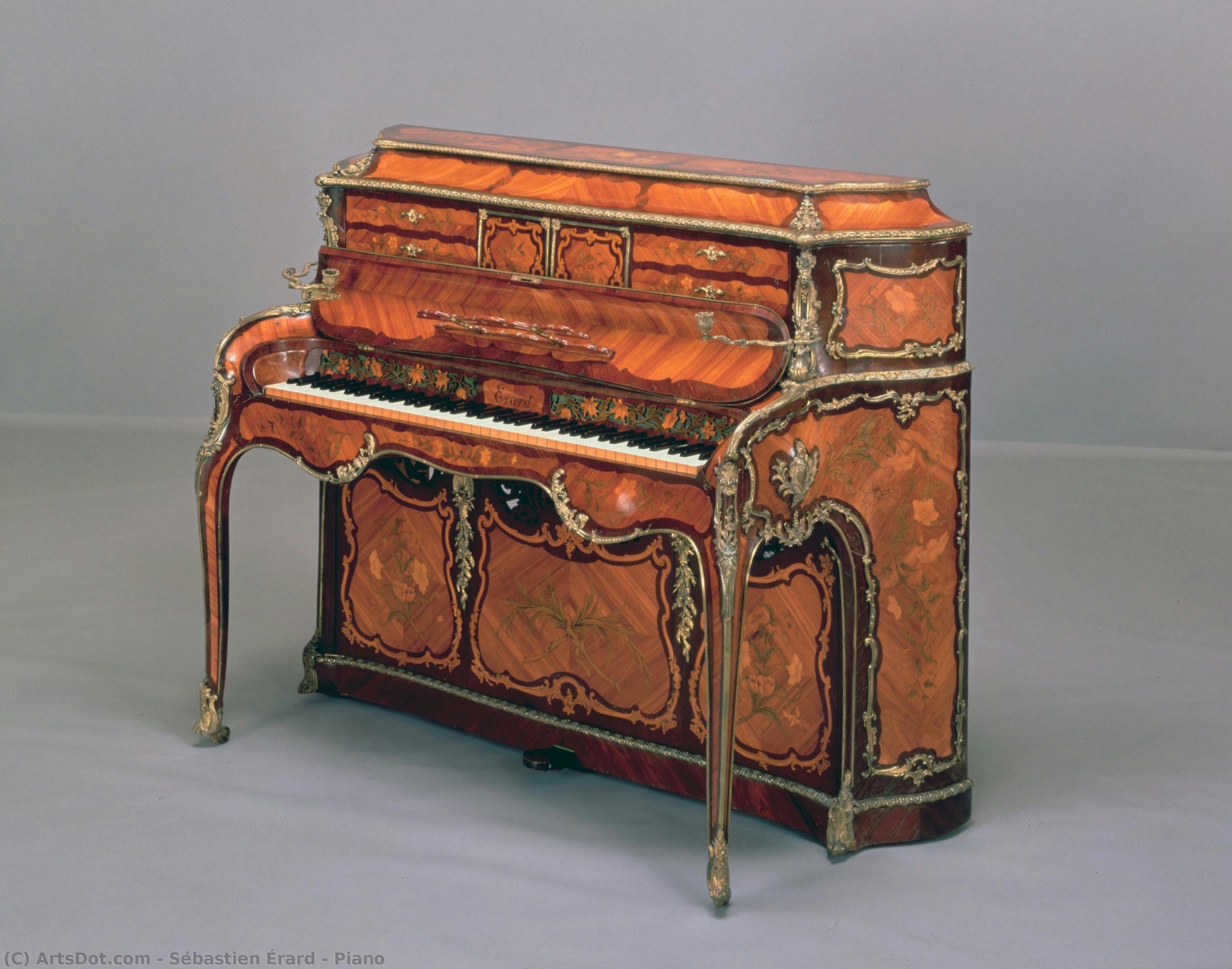
Piano

 Read More
Purchase a high-resolution, enhanced digital image, far superior to the online preview.
Each file is meticulously prepared by our in-house specialists using advanced tools and expert manual retouching. We ensure every image has exceptional clarity, precise color accuracy, and fine detail.
The final file is delivered via email within 72 hours, optimized for immediate use in professional, editorial, and print environments. This is the same quality trusted by top-tier design studios, publishers, and galleries.
Digital Image
Download a high-resolution file for personal display, printing, and creative projects. ( Buy Print Buy Hand Made Painting)
Included in Every Digital Image Order
Expert Digital Delivery, Guaranteed
When you choose ArtsDot.com, you're not just getting an image - you're receiving a professionally enhanced digital artwork, crafted with precision and backed by a satisfaction guarantee. Here's everything that comes with your order, automatically:

Fast Email Delivery
Your high-resolution digital image file will be emailed to you within 72 hours of ordering - ready for immediate use.

AI-Enhanced Digital File
Your artwork is professionally optimized using advanced AI tools and manual editing, ensuring maximum detail, clarity, and color accuracy.

Free Lifetime Re-Delivery
Accidentally deleted or lost your file? No worries - we'll resend it to you anytime, free of charge.

No Import Fees - Ever
Enjoy your artwork instantly with zero customs, duties, or delivery fees - digital downloads are always tax-free.

Color Accuracy Guarantee
We ensure your digital image reflects the original colors as closely as possible using professional tools and color management.

60-Day Satisfaction Guarantee
If you're not satisfied with your digital image, we'll revise it or refund 100% within 60 days - no questions asked.

100% Money-Back Guarantee
Not satisfied? Get a full refund within 60 days of receiving your digital file - no questions asked.

Bulk Order Discounts
Buy 3 images, save 10% - Buy 5, save 15% - Buy 10+, save 20%. Great for creative projects, galleries, and agencies.
Related Artworks







Artist Biography
Sébastien Erard: The Architect of the Modern Piano
Sébastien Erard’s name is inextricably linked to the evolution of both the piano and the harp, instruments he profoundly shaped during a pivotal era in musical history. Born in Strasbourg in 1752, his journey from cabinetmaker's apprentice to pioneering instrument maker reflects a relentless pursuit of mechanical ingenuity and a deep understanding of acoustics – qualities that would revolutionize music-making for generations to come. His story isn’t simply one of craftsmanship; it’s a testament to the power of observation, experimentation, and a genuine passion for unlocking the full potential of sound. Erard's legacy rests not just on individual inventions but on establishing a systematic approach to instrument design that continues to influence manufacturers today.Early Years and Apprenticeship: A Foundation in Mechanics
Sébastien’s early life was marked by an aptitude for practical skills, nurtured within the workshop of his father, who specialized in furniture upholstery. This environment provided a crucial foundation – a deep understanding of geometry, construction, and the manipulation of materials. Moving to Paris at the age of sixteen, he secured an apprenticeship with a harpsichord maker, a decision that proved transformative. While the specifics of this early training remain somewhat obscured by historical accounts, it’s clear that Erard quickly demonstrated exceptional talent and a keen interest in improving existing designs. He wasn't content to simply replicate; he sought to understand *why* instruments sounded the way they did and how they could be made better. This inquisitive spirit would become the driving force behind his later innovations. The Parisian workshop environment exposed him to the burgeoning musical culture of the time, further fueling his desire to create instruments that were not only functional but also capable of producing a richer, more expressive sound.The Invention of the Mechanical Harpsichord and Early Innovations
Erard’s breakthrough came in 1775 with the invention of a mechanical harpsichord – an instrument that utilized a system of levers to automatically release the strings when a key was pressed, eliminating the need for a performer to pluck each note. This ingenious device dramatically simplified performance and opened up new possibilities for musical expression. The Duchess of Villeroi, recognizing Erard’s talent, provided him with a workshop space, offering crucial early support. However, his ambition extended beyond simply improving the harpsichord; he was already contemplating the future of the piano. His meticulous study of existing instruments and his understanding of mechanics led to a series of incremental improvements that would eventually culminate in the development of the modern grand piano. Early pianos built by Erard were notable for their square shape, reflecting the prevailing aesthetic of the time, but they represented a significant step forward in terms of sound quality and responsiveness.The Double-Action Harp: A Revolution in Musical Expression
Perhaps Erard’s most enduring legacy lies in his invention of the double-action harp – an instrument that fundamentally altered the capabilities of the harp. Prior to Erard's innovation, harps were limited by their inability to easily shift between keys. The existing single-action mechanism required a complex series of hand movements to change pitch, severely restricting musical flexibility. Erard’s 1801 patent for a double-action harp, featuring pedals that could raise or lower the pitch of individual strings, opened up an entirely new world of possibilities for composers and performers. This invention allowed harpsichords to be played in any key with ease, dramatically expanding their repertoire and solidifying their place as a central instrument in orchestral music. The demand for these instruments was so high that Erard dedicated himself almost exclusively to harp production for several years, demonstrating the profound impact of his creation.The Grand Piano: A Legacy of Refinement
While the harp received considerable attention, Erard’s work on the piano was equally groundbreaking. He didn't invent the piano itself, but he fundamentally improved its design and functionality. His most significant contribution was the “double escapement” action, patented in 1823 – a mechanism that allowed notes to be repeated more easily than in traditional pianos. This innovation dramatically increased the responsiveness of the instrument and enabled pianists to play faster passages with greater precision. Erard’s pianos quickly gained recognition for their superior sound quality, touch, and durability, establishing his firm as one of the leading manufacturers in Europe. His influence extended beyond technical innovations; he also championed the use of high-quality materials and meticulous craftsmanship, setting a new standard for piano production. The legacy of Erard's work can be heard in virtually every grand piano produced today, a testament to the enduring impact of his pioneering spirit.Sébastien Erard’s Enduring Influence
Sébastien Erard died in 1831, leaving behind a remarkable legacy that continues to resonate within the world of music. His inventions – the mechanical harpsichord, the double-action harp, and the double escapement piano action – fundamentally shaped the development of these two iconic instruments. Beyond his specific innovations, Erard’s systematic approach to instrument design—combining meticulous observation with inventive problem-solving—established a blueprint for future manufacturers. His firm continued to thrive for over a century, producing instruments that were prized by musicians and composers alike, including Beethoven, Chopin, and Liszt. Today, Sébastien Erard is remembered not just as an instrument maker but as a true innovator – a pioneer who helped to transform the sound of music and shape the landscape of musical expression.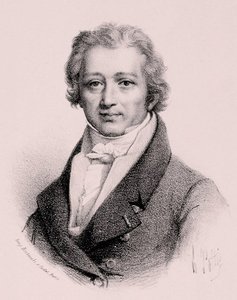
sébastien érard
1752 - 1831 , France
Quick Facts
- Artistic Movement Or Style: Instrument maker
- Artists Or Movements Influenced By This Artist:
- Classical piano
- Modern music
- Artists Who Influenced This Artist: ['Harpsichord builders']
- Date Of Birth: April 5, 1752
- Date Of Death: August 5, 1831
- Full Name: Sébastien Erard
- Nationality: French
- Notable Artworks:
- Piano
- Harp
- Place Of Birth: Strasbourg, France

