 Preview
 Send
Send Share
Share
 Details

 Download
 Similars
 X-Ray
X-Ray Diaporama
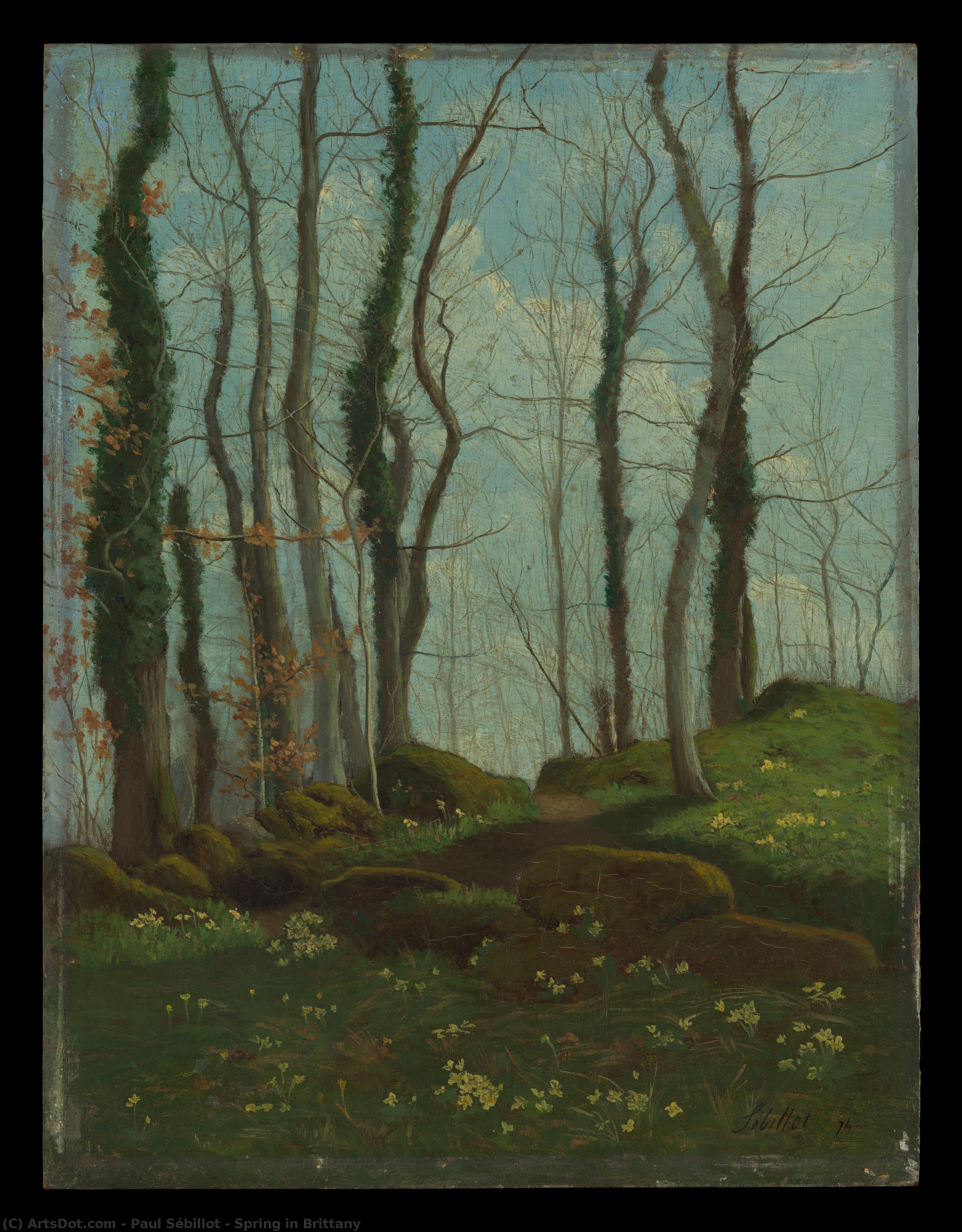
Spring in Brittany
 Romanticism
 1874
1874 36.0 x 27.0 cm
 Read More
Hand Made Oil Reproduction
Hand-painted oil on canvas in your size and frame, made to order by our artists. ( Buy Print Buy Image)




































Pick from our preset sizes that match the artwork's original proportions.

You may enter your own dimensions to fit a specific frame or space. If your selected size does not match the original image's proportions, we will either crop the artwork or extend the painting with additional hand-painted elements. A digital mockup will be sent for your approval before production begins.
Please note that the on-screen preview does not reflect the actual cropping or extension. Only the mockup will accurately show the final composition.
While custom sizes are available, we recommend selecting a dimension from the predefined list to preserve the original proportions.
After order, ArtsDot.com team will email client for instructions and provide a mockup preview
Worldwide Delivery () in 3/4 weeks instead of standard 5 weeks. (17 August). No compromise on quality.

Free Worldwide Express Shipping

High-Quality Linen Canvas

Full Shipping Insurance

Customs Tax Refund Guarantee

True Color Matching Guarantee

60-Day Return Policy (Defects Only)

100% Money-Back Guarantee

Bulk Discount Offer
 Glass option is only available in size under 110 CM

Spring in Brittany
Reproduction Medium
Reproduction Size
-


Total Price
$ 263
Artwork Description
Related Artworks
Artist Biography
Paul Sébillot: Life, Art, and Breton Heritage
Early Life and Artistic Beginnings
- Born: February 6, 1843, in Matignon, Côtes-d'Armor, France.
- Sébillot came from a family with a strong tradition of medical practice and civic duty. His father was mayor of Matignon.
- He initially pursued studies in jurisprudence at Rennes and Paris, completing his degree in 1863.
- Despite his legal training, Sébillot harbored a deep passion for painting from an early age, receiving instruction from Augustin Feyen-Perrin.
Artistic Career and Breton Inspiration
- Sébillot first exhibited his work, Rochers à marée basse (Rocks at Low Tide), at the Paris Salon in 1870.
- Between 1870 and 1883, fourteen of his paintings were displayed at the Paris Salon, with two also featured at the Vienna World Fair in 1873.
- His artistic focus centered on the landscapes and people of Brittany, reflecting a profound connection to his native province.
- He contributed art criticism to journals like *Le Bien Public*, *La Réforme*, *L'Art français*, and *L'Art libre*.
Folkloristic Contributions and Literary Works
- In 1875, Sébillot began a literary career with the publication of La République, c’est la tranquillité.
- He initiated the *Collection des littératures populaires de toutes les nations* in 1881 alongside Charles Leclerc.
- Sébillot actively participated in the first Congress of Popular Traditions in Paris (1889) and served as a principal private secretary to the Ministry of Labour.
- His book, *Les travaux publics et les mines dans les traditions et superstitions de tous les pays* (1894), showcased his research into folklore surrounding public works and mining.
- He authored significant folkloric collections such as Contes populaires de la bretagne (Popular stories of Brittany) and Le folklore de France (1906).
Influences and Artistic Development
- Sébillot’s work was deeply influenced by his immersion in Breton culture, traditions, and landscapes.
- He drew inspiration from the Romantic movement's emphasis on emotion and nature, combined with a growing interest in ethnographic studies of regional cultures.
- His artistic style can be characterized as realistic with a focus on capturing the atmosphere and character of Brittany.
Legacy and Historical Significance
- Paul Sébillot’s legacy lies in his comprehensive documentation of Breton folklore and landscapes.
- His work provides valuable insights into the cultural traditions and beliefs of 19th-century Brittany.
- He played a crucial role in establishing French folklore studies as a legitimate academic discipline.
- His paintings offer a visual record of a rapidly changing rural society, preserving its unique character for future generations.
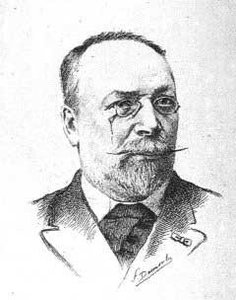
sébillot, paul
1843 - 1918 , France
Quick Facts
- Birth Date: February 6, 1843
- Birth Place: Matignon, Côtes-d'Armor, France
- Death Date: April 23, 1918
- Movement: Folklorism, Regionalism
- Name: Paul Sébillot
- Nationality: French
- Notable Works:
- Rochers à marée basse (Rocks at low tide)
- Contes populaires de la bretagne (Popular stories of brittany)
- Le folklore de france (1906)
Related Articles

Cézanne's Masterpieces: 25 Iconic Artworks to Transform Your Space
Journey through 25 iconic artworks by Paul Cézanne – a master of Impressionism and Post-Impressionism. Explore his landscapes, still lifes, and the stories behind these timeless masterpieces. Discover museum-quality reproductions & curated decor at ArtsDot.com.
Paul Klee's Masterpieces: Explore 25 Iconic Paintings & Prints | ArtsDot
Journey through Paul Klee's 25 most iconic paintings & prints. Explore his abstract style, Bauhaus influence, and vibrant color palettes. Find museum-quality art reproductions & decor ideas at ArtsDot.com. Discover all masterpieces online.

Impressionism's Masterpieces: 10 Paintings That Defined a Movement | ArtsDot
Journey through Impressionism's heart with 10 iconic paintings by Monet, Renoir & Degas. Explore light, color & the stories behind these masterpieces. Find museum-quality art reproductions and elevate your home decor on ArtsDot.com.

The Enduring Legacy of Oil on Canvas: Technique, History & Aesthetic Impact
Explore the rich history & techniques of oil painting – from Renaissance masters to Impressionism. Discover pigments, layering methods, and why this timeless medium endures. Expert insights for artists & art enthusiasts.
Oil on Board Masters: 10 Paintings That Redefined Art | ArtsDot
Explore 10 legendary 'Oil on Board' masterpieces by Van Gogh, Monet & more! Discover art history, iconic styles like Impressionism, and find museum-quality reproductions to elevate your home decor. Explore the full collection online at ArtsDot.com.