 Preview
 Send
Send Share
Share
 Details

 Download
 Similars
 X-Ray
X-Ray Diaporama
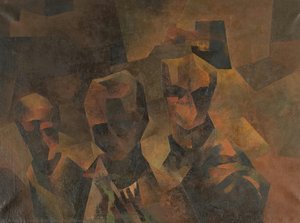
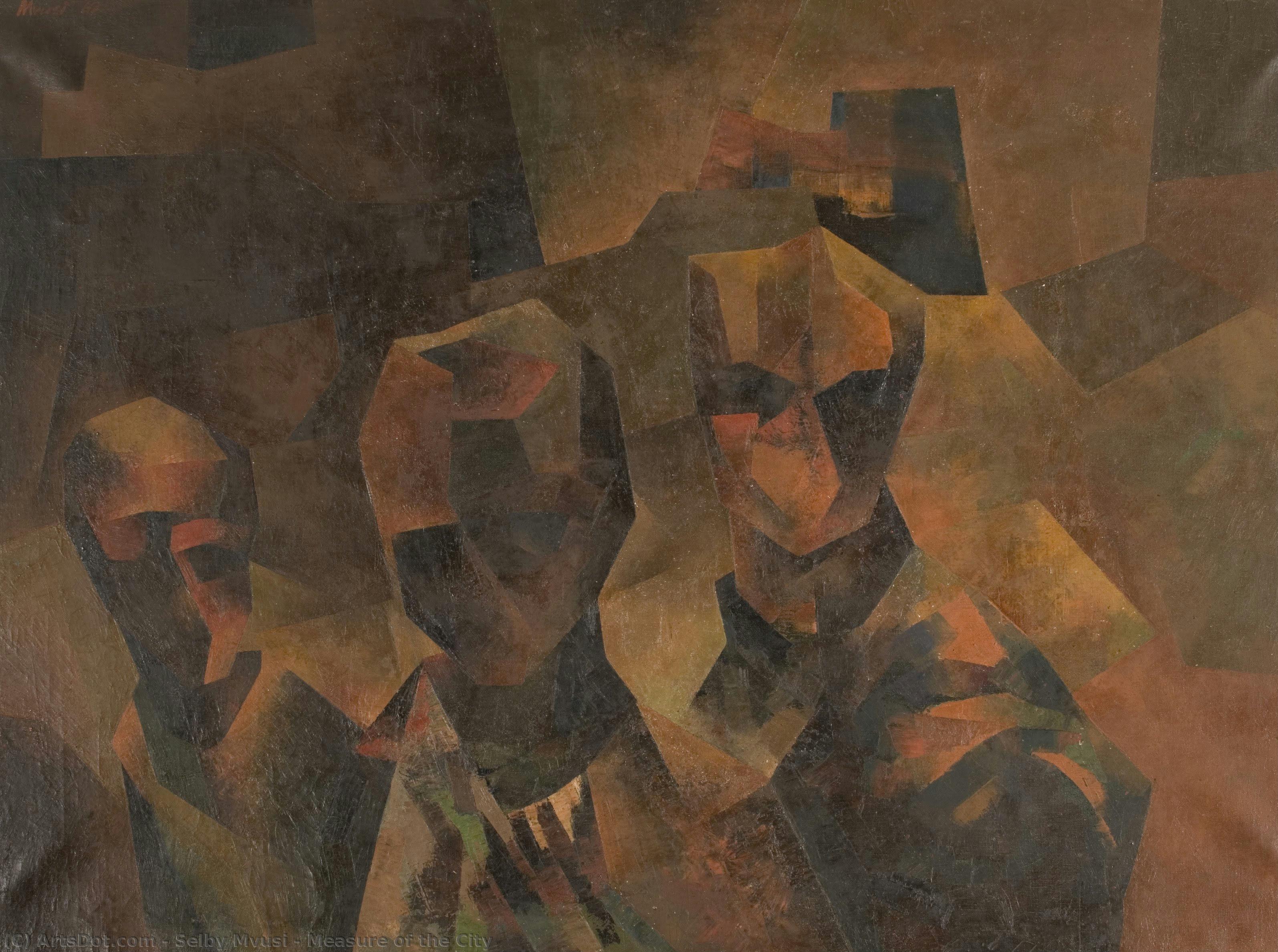
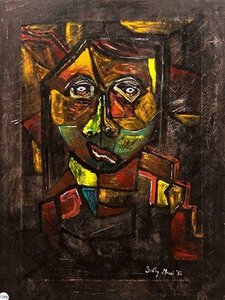
Measure of the City

 Read More
Hand Made Oil Reproduction
Hand-painted oil on canvas in your size and frame, made to order by our artists. ( Buy Print Buy Image)




































Pick from our preset sizes that match the artwork's original proportions.

You may enter your own dimensions to fit a specific frame or space. If your selected size does not match the original image's proportions, we will either crop the artwork or extend the painting with additional hand-painted elements. A digital mockup will be sent for your approval before production begins.
Please note that the on-screen preview does not reflect the actual cropping or extension. Only the mockup will accurately show the final composition.
While custom sizes are available, we recommend selecting a dimension from the predefined list to preserve the original proportions.
After order, ArtsDot.com team will email client for instructions and provide a mockup preview
Worldwide Delivery () in 3/4 weeks instead of standard 5 weeks. (26 August). No compromise on quality.

Free Worldwide Express Shipping

High-Quality Linen Canvas

Full Shipping Insurance

Customs Tax Refund Guarantee

True Color Matching Guarantee

60-Day Return Policy (Defects Only)

100% Money-Back Guarantee

Bulk Discount Offer
 Glass option is only available in size under 110 CM

Measure of the City
Reproduction Medium
Reproduction Size
-


Total Price
$ 263
Related Artworks




Artist Biography
Selby Mvusi: A Voice of the City
Selby Mvusi (1929-1967) remains a profoundly significant, yet tragically underappreciated, figure in South African art history. Born in Richmond, KwaZulu-Natal, to Vunina (Nxasane) and Jotham Mvusi, his early life was shaped by the realities of apartheid, an experience that would deeply inform his artistic vision. Mvusi’s father, a respected minister within the Methodist Church, instilled in him a strong sense of social justice and community responsibility – values that resonated powerfully throughout his career. His formative years were spent navigating the complexities of a segregated society, experiences he translated into powerful depictions of urban life and its inherent inequalities.
Mvusi’s artistic journey began unexpectedly, sparked by a chance encounter with Professor Donald Stuart, an English professor and artist at Fort Hare University. Stuart's weekend sketching tours introduced Mvusi to the beauty and texture of the South African landscape, nurturing a nascent interest in drawing and observation. This early mentorship proved crucial, providing him with foundational skills and igniting a passion for visual representation. He further honed his abilities through a short course on graphic art at Fort Hare, an institution that, despite its limitations under apartheid, served as a vital space for Black intellectual and artistic development. His time at Fort Hare also exposed him to the burgeoning anti-apartheid movement, fostering a sense of political awareness that would later permeate his work.
Early Education and Artistic Development
Mvusi’s formal education was deliberately shaped by the constraints imposed by apartheid. He attended Lovedale Presbyterian Church Primary School in the Eastern Cape alongside his sister, followed by Adams College near Amazimtoti in Natal. Crucially, he continued his studies at the University of Fort Hare, graduating with a theology degree in 1935 – an achievement that opened doors to further artistic exploration. The university’s environment, brimming with student activism and intellectual debate, proved particularly influential. He became involved in the Students Representative Council (SRC) and engaged with the African National Congress Youth League (ANCYL), demonstrating a commitment to social change through both academic and political channels.
Despite the absence of a dedicated Fine Arts department at Fort Hare, Mvusi’s artistic talents flourished. He benefited immensely from Professor Stuart's guidance, participating in regular sketching excursions that allowed him to develop his observational skills and deepen his understanding of composition and perspective. Later, he pursued further education at Rhodes University in Grahamstown, completing a teaching course in arts – a rare opportunity for Black South Africans during this period. His work during this time often involved creating posters and designs for community events, showcasing his versatility and ability to communicate effectively through visual means.
Thematic Concerns and Artistic Style
Mvusi’s art is characterized by its evocative depictions of urban landscapes – particularly the bustling streets and crowded townships of post-war South Africa. Unlike many artists who focused on romanticized rural scenes, Mvusi confronted the realities of urban poverty, segregation, and social unrest with unflinching honesty. His paintings are not merely representations of physical space; they are powerful commentaries on the human condition within a system of oppression. He employed a distinctive style—often described as bold and expressive—characterized by dynamic compositions, vibrant colors, and a keen attention to detail. He frequently used perspective to draw the viewer into the scene, creating a sense of immediacy and engagement.
His work often featured scenes of everyday life – market stalls overflowing with goods, crowded buses filled with passengers, and street vendors hawking their wares. However, beneath the surface of these seemingly mundane subjects lay a critical examination of social inequality and the psychological impact of apartheid. Mvusi’s use of color was particularly significant; he employed rich, saturated hues to convey both the vibrancy and the underlying tension of urban life. He skillfully captured the energy and movement of his subjects, imbuing his paintings with a sense of urgency and dynamism.
Legacy and Recognition
Tragically, Selby Mvusi’s career was cut short by a car accident near Nairobi, Kenya, in December 1967. His untimely death at the age of 38 robbed the art world of a truly exceptional talent. However, his work has since been rediscovered and re-evaluated, earning him belated recognition as one of South Africa’s most important post-war artists. Elza Miles' biography, *Selby Mvusi: To Fly with the North Bird South*, published in 2015, played a crucial role in bringing his story to a wider audience and shedding light on his artistic achievements.
Mvusi’s paintings are now housed in several collections, including the National Gallery of Art in Cape Town. His work continues to resonate with contemporary audiences, offering a poignant reminder of the struggles faced by Black South Africans under apartheid and serving as an inspiration for artists working to address social justice issues today. Selby Mvusi's legacy lies not only in his artistic output but also in his unwavering commitment to truth, beauty, and the pursuit of a more equitable society.
selby mvusi
1929 - 1967 , South Africa
Quick Facts
- Artistic Movement Or Style: Cityscapes & Social commentary
- Artists Or Movements Influenced By This Artist: ['Post-War Art']
- Artists Who Influenced This Artist: ['Donald Stuart']
- Date Of Birth: 1929-06-18
- Date Of Death: 1967-12-10
- Full Name: Selby Mvusi
- Nationality: South African
- Notable Artworks: ['Measure of the City']
- Place Of Birth: Richmond, South Africa