 Preview
 Send
Send Share
Share
 Details

 Download
 Similars
 X-Ray
X-Ray Diaporama
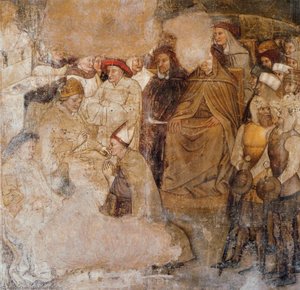
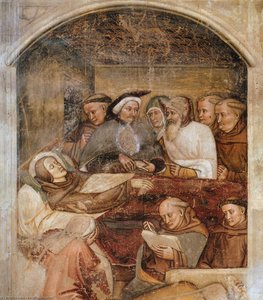
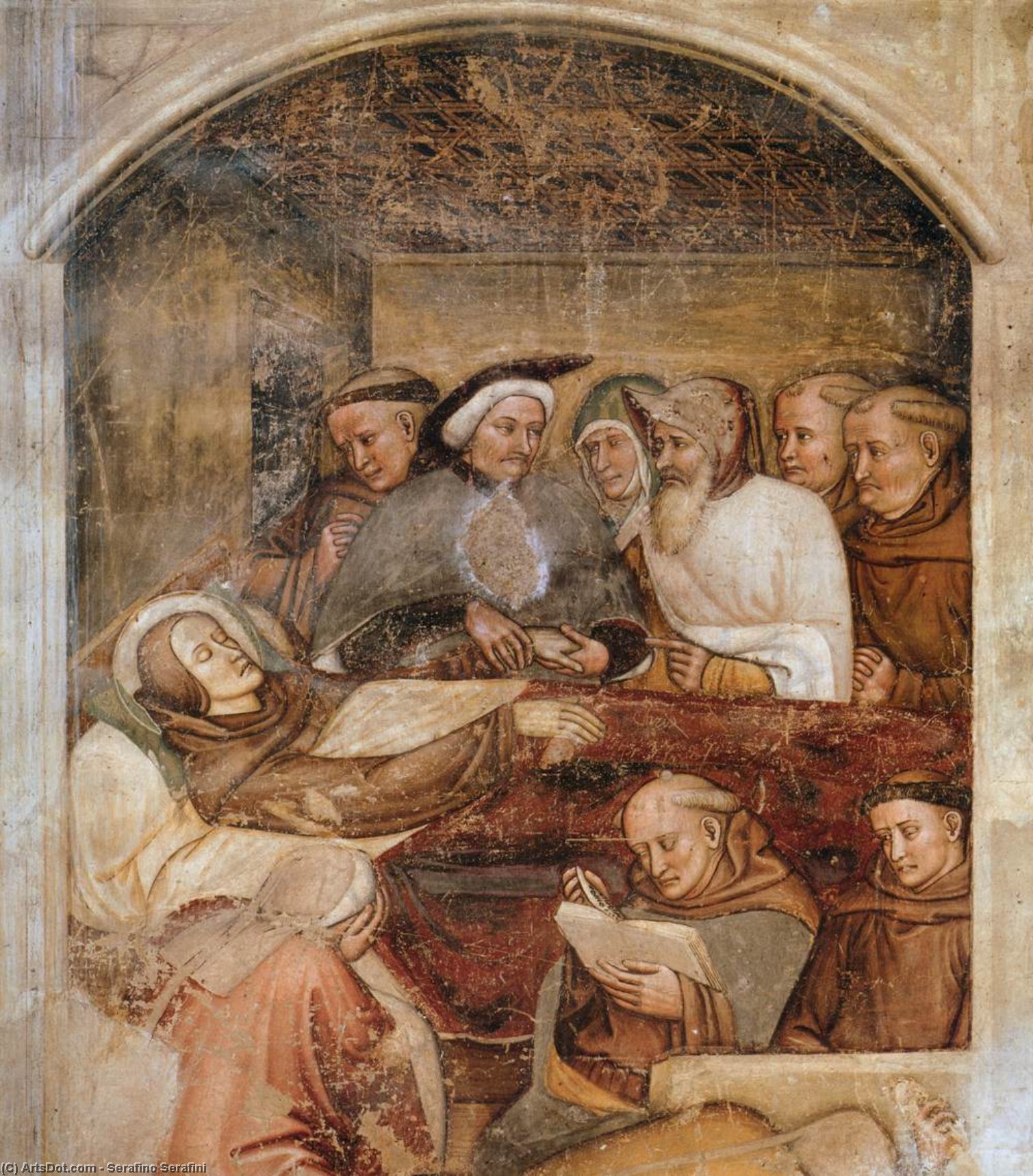
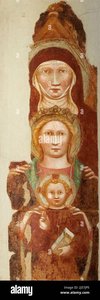
Death of St Louis

 Read More
Giclée / Art Print
Museum-quality giclée or canvas print with fast production and flexible finish options. ( Buy Hand Made Painting Buy Image)




































Pick from our preset sizes that match the artwork's original proportions.

You may enter your own dimensions to fit a specific frame or space. If your selected size does not match the original image's proportions, we will either crop the artwork or extend the image with a mirrored or solid-fill edge. A digital mockup will be sent for your approval before production begins.
Please note that the on-screen preview does not reflect the actual cropping or extension. Only the mockup will accurately show the final composition.
While custom sizes are available, we recommend selecting a dimension from the predefined list to preserve the original proportions.
Worldwide Delivery () in 2 weeks instead of standard 4/5 weeks. (21 August)

Free Worldwide Express Shipping

High-Quality Linen Canvas

Full Shipping Insurance

Customs Tax Refund Guarantee

True Color Matching Guarantee

60-Day Return Policy (Defects Only)

100% Money-Back Guarantee

Bulk Discount Offer
 Glass option is only available in size under 110 CM

Death of St Louis
Giclée / Art Print
Reproduction Size
-


Total Price
$ 63
Collectible Description
Related Artworks
![Life Of Saint Francis - [04] - Death And Ascension Of St Francis — Giotto Di Bondone, Italian Renaissance](/media/artworks/images-thumb/08/8b/088b102b13c1a379233690905590f156.jpg)
Artist Biography
A Master of the Modenese Twilight: The Life and Legacy of Serafino Serafini
In the twilight of the fourteenth century, amidst the architectural grandeur of Northern Italy, the name Serafino Serafini emerged as a vital, if enigmatic, force in the evolution of late medieval painting. Born around 1324 in the industrious city of Modena, Serafini’s origins were deeply rooted in the tactile traditions of his homeland. Descended from a family of skilled terracotta and brick manufacturers, his early life was likely shaped by an intimate understanding of clay, form, and the sculptural qualities of earth—elements that would later breathe a unique, three-dimensional vitality into his painted figures. While much of his personal history remains veiled by the mists of time, the enduring presence of his work suggests a man who stood at a profound crossroads of artistic transition.
Serafini’s creative journey was not a solitary one; he shared a long-standing professional bond with his brother, Tommaso Serafini. This familial partnership allowed for a rich exchange of techniques and a shared commitment to the monumental fresco traditions that defined the era. Through their collaborative efforts, particularly within the sacred spaces of Modena, they helped weave a narrative thread that connected the established Giottesque traditions of Florence with the burgeoning, more decorative innovations emerging from Bologna. To look upon Serafini’s work is to witness a painter attempting to balance the weight of history with the fresh, vibrant impulses of a new age.
The Sacred Canvas: Innovations in Modena and Beyond
The true magnitude of Serafino’s talent is most breathtakingly realized within the walls of the Modena Cathedral. It was here that he achieved his magnum opus, a sweeping cycle of frescoes completed around 1385, which continues to captivate viewers with its spiritual intensity and stylistic complexity. One of his most celebrated achievements, the Coronation of the Virgin, bears a proud inscription dating the work to March 1385, serving as a permanent testament to his hand. In these works, one can observe a fascinating tension: the monumental figures possess an expressive dynamism and anatomical presence reminiscent of Giotto’s Florentine school, yet they are simultaneously infused with the colorful, rhythmic elegance characteristic of the Bolognese style.
Beyond the cathedral walls, Serafini’s influence extended into other significant religious sites, such as the Church of San Francesco in Mantua. His depictions of the Life of Saint Louis and scenes involving St. Louis of Toulouse demonstrate his ability to handle complex theological narratives through evocative imagery. Even when faced with the critical scrutiny of later historians—who occasionally noted a certain ruggedness or flatness in his execution—the sheer emotional resonance of his compositions remains undeniable. He possessed a rare ability to use light and shadow, however starkly, to direct the viewer's devotion toward the divine drama unfolding on the plaster.
A Lasting Impression on the Italian Renaissance
As Serafino’s career progressed, his movement toward Ferrara marked the final chapter of a life dedicated to the service of art and faith. He passed away circa 1393, leaving behind a legacy that bridged the gap between the medieval period and the dawn of the Renaissance. His significance lies not merely in the beauty of his surviving fragments, but in his role as a stylistic conduit. By synthesizing the structural gravity of the Giottesque tradition with the decorative flair of the Bolognese school, he helped prepare the Italian artistic landscape for the profound transformations of the following century.
Today, we remember Serafino Serafini as a master of transition—a painter who took the raw materials of his heritage and transformed them into enduring spiritual landmarks. His work remains a vital study in how an artist can honor the weight of tradition while simultaneously reaching toward the innovations of the future, ensuring that even in the shadows of history, his light continues to shine.
Serafino Serafini
1324 - 1393 , Italy
Quick Facts
- Artistic Movement Or Style: Giottesque & Bolognese
- Artists Or Movements Influenced By This Artist: ['Giovanni Mantero']
- Artists Who Influenced This Artist: ['Tommaso da Modena']
- Date Of Birth: Modena, Italy (1324)
- Date Of Death: Ferrara (1393)
- Full Name: Serafino de' Serafini
- Nationality: Italian
- Notable Artworks: ['Coronation of the Virgin']
- Place Of Birth: Modena