 Preview
 Send
Send Share
Share
 Details

 Download
 Similars
 X-Ray
X-Ray Diaporama
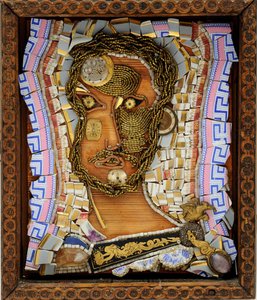
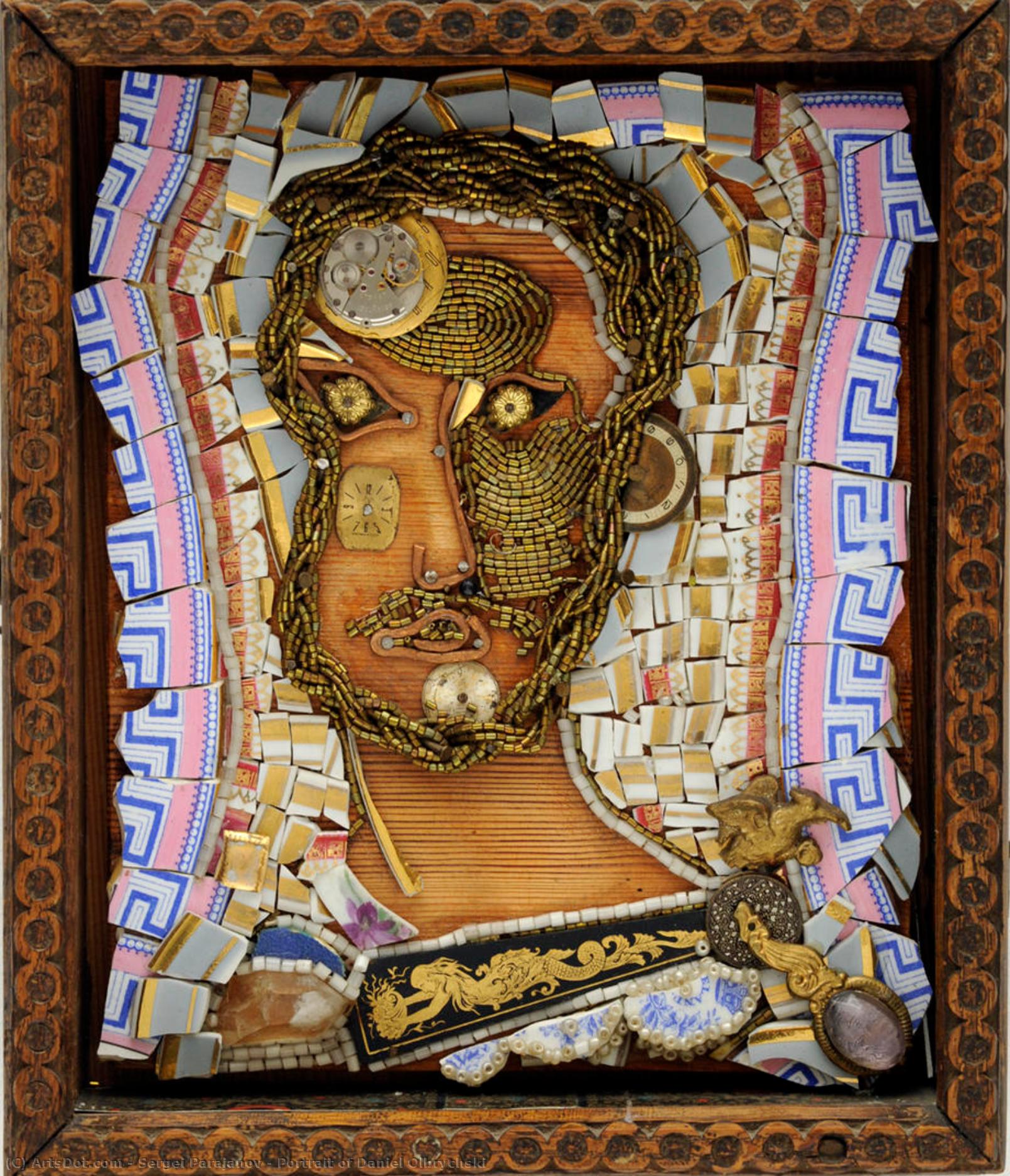
Portrait of Daniel Olbrychski
 Neo Pop Art
 1981
1981 22.0 x 22.0 cm
 Read More
Hand Made Oil Reproduction
Hand-painted oil on canvas in your size and frame, made to order by our artists. ( Buy Print Buy Image)




































Pick from our preset sizes that match the artwork's original proportions.

You may enter your own dimensions to fit a specific frame or space. If your selected size does not match the original image's proportions, we will either crop the artwork or extend the painting with additional hand-painted elements. A digital mockup will be sent for your approval before production begins.
Please note that the on-screen preview does not reflect the actual cropping or extension. Only the mockup will accurately show the final composition.
While custom sizes are available, we recommend selecting a dimension from the predefined list to preserve the original proportions.
After order, ArtsDot.com team will email client for instructions and provide a mockup preview
Worldwide Delivery () in 3/4 weeks instead of standard 5 weeks. (29 August). No compromise on quality.

Free Worldwide Express Shipping

High-Quality Linen Canvas

Full Shipping Insurance

Customs Tax Refund Guarantee

True Color Matching Guarantee

60-Day Return Policy (Defects Only)

100% Money-Back Guarantee

Bulk Discount Offer
 Glass option is only available in size under 110 CM

Portrait of Daniel Olbrychski
Reproduction Medium
Reproduction Size
-


Total Price
$ 263
Related Artworks


Artist Biography
The Weaver of Cinematic Dreams
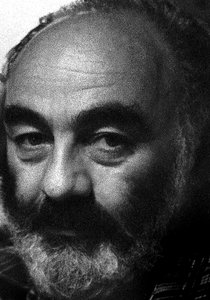
To step into the world of Sergei Parajanov is to abandon the linear constraints of reality and enter a realm where time, texture, and myth coalesce into a single, breathtaking vision. Born in 1924 in the vibrant, multi-layered city of Tiflis, Parajanov was a child of the Caucasus, raised by Armenian parents in a landscape rich with ancient traditions and complex histories. His early life was marked by a profound sensitivity to the aesthetic and the symbolic, a trait nurtured by his studies in music—violin, voice, and ballet—before he eventually found his true calling at the All-Union State Institute of Cinematography in Moscow. Under the mentorship of legendary Ukrainian filmmakers like Oleksandr Dovzhenko, Parajanov began to develop a cinematic language that would eventually defy the rigid dictates of Soviet socialist realism, opting instead for a poetic, non-linear tapestry of images.
His work is often described not merely as film, but as a form of moving collage. He did not seek to tell stories through traditional dialogue or plot progression; rather, he sought to evoke the soul of a culture through its artifacts, its rituals, and its colors. In his seminal masterpiece, Shadows of Forgotten Ancestors (1965), Parajanov introduced a visceral, folkloric energy that stunned international audiences, utilizing the lush, mystical landscapes of the Carpathian Mountains to explore themes of love and ancestral memory. This was followed by the transcendent The Color of Pomegranates (1969), a film that remains one of the most visually arresting achievements in the history of art. In this work, Parajanov abandoned traditional narrative entirely, using static, highly composed shots filled with symbolic objects—pomegranates, lace, ancient manuscripts, and religious icons—to create a visual poem dedicated to the life of the Armenian poet Sayat-Nova.
A Life of Resistance and Symbolism
The brilliance of Parajanov’s vision was inseparable from the struggle he endured. Living under the watchful and often repressive eye of the Soviet authorities, his very existence became an act of artistic rebellion. Because his films celebrated national identities—Armenian, Georgian, and Ukrainian—and bypassed the state-sanctioned aesthetic of realism, he faced intense political scrutiny. The authorities targeted him not only for his perceived nationalist tendencies but also for his personal life, using accusations of bisexuality to subject him to legal persecution and imprisonment. Yet, it was often within these periods of confinement and censorship that his creative spirit flourished most intensely. During his time in prison, Parajanov continued to produce intricate collages, drawings, and assemblages, proving that the impulse to create is an indomitable force that no political boundary can contain.
His artistic legacy is characterized by a unique ability to blend the high art of cinema with the folk traditions of the East. His influence extends far beyond the screen, touching upon the realms of fine art and installation. The Sergei Parajanov Museum in Yerevan stands as a testament to this multifaceted heritage, housing a collection of his diverse works including:
- Intricate Collages: Layered compositions that mirror the fragmented, dreamlike structure of his films.
- Symbolic Drawings: Works that capture the essence of Caucasian folklore and religious iconography.
- Assemblages and Dolls: Tactile pieces that reflect his fascination with the materiality of culture and tradition.
- Unpublished Screenplays: The literary blueprints for cinematic worlds that were too radical for their time to be realized.
Today, Parajanov is revered as a magician and a conjurer of cinematic worlds. He remains an icon of artistic freedom, a man who transformed the medium of film into a sacred space where the boundaries between the past and the present, the real and the mythic, are forever dissolved. His life and work serve as a profound reminder that true art does not merely reflect the world; it reimagines it through the lens of the eternal.
Quick Facts
- Artistic Movement Or Style: Poetic, symbolic, and non-linear cinema
- Artists Who Influenced This Artist:
- Igor Savchenko
- Oleksandr Dovzhenko
- Date Of Birth: January 9, 1924
- Date Of Death: July 20, 1990
- Full Name: Sergei Iosifovich Parajanov
- Nationality: Soviet Armenian
- Notable Artworks:
- Shadows of Forgotten Ancestors
- The Color of Pomegranates
- Place Of Birth: Tbilisi, Georgia