 Preview
 Send
Send Share
Share
 Details

 Download
 Similars
 X-Ray
X-Ray Diaporama
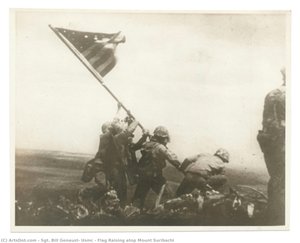
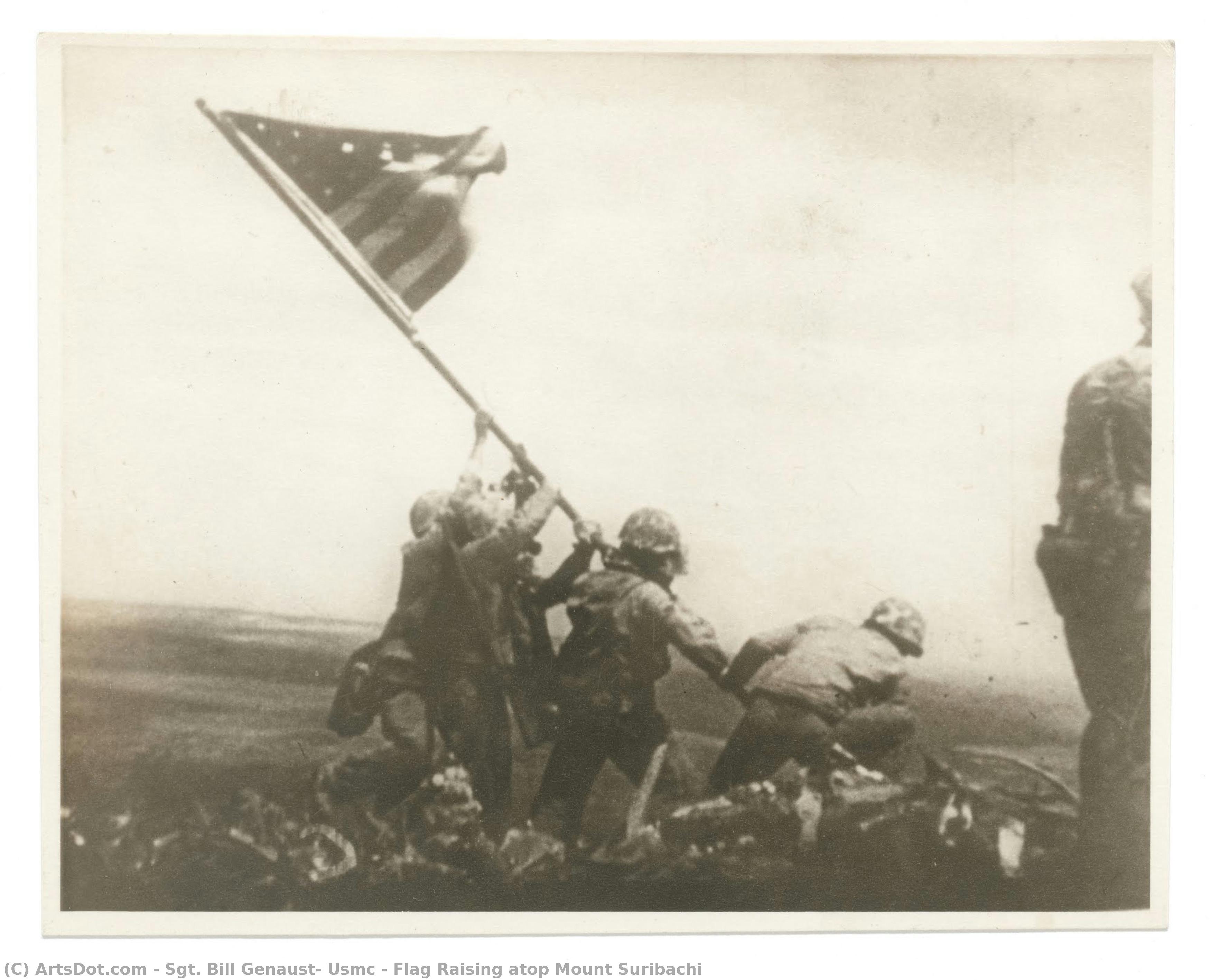
Flag Raising atop Mount Suribachi
 13.0 x 10.0 cm
 Read More
Hand Made Oil Reproduction
Hand-painted oil on canvas in your size and frame, made to order by our artists. ( Buy Print Buy Image)




































Pick from our preset sizes that match the artwork's original proportions.

You may enter your own dimensions to fit a specific frame or space. If your selected size does not match the original image's proportions, we will either crop the artwork or extend the painting with additional hand-painted elements. A digital mockup will be sent for your approval before production begins.
Please note that the on-screen preview does not reflect the actual cropping or extension. Only the mockup will accurately show the final composition.
While custom sizes are available, we recommend selecting a dimension from the predefined list to preserve the original proportions.
After order, ArtsDot.com team will email client for instructions and provide a mockup preview
Worldwide Delivery () in 3/4 weeks instead of standard 5 weeks. (27 August). No compromise on quality.

Free Worldwide Express Shipping

High-Quality Linen Canvas

Full Shipping Insurance

Customs Tax Refund Guarantee

True Color Matching Guarantee

60-Day Return Policy (Defects Only)

100% Money-Back Guarantee

Bulk Discount Offer
 Glass option is only available in size under 110 CM

Flag Raising atop Mount Suribachi
Reproduction Medium
Reproduction Size
-


Total Price
$ 263
Related Artworks




Artist Biography
A Witness in Color: The Life and Legacy of Sgt. Bill Geenast
The name Sgt. Bill Geenast may not be instantly recognizable to many, yet his contribution to our understanding of World War II is profound. Born in Honolulu, Hawaii, in 1906, William “Bill” Geenast wasn’t a painter or sculptor in the traditional sense; he was a United States Marine Corps sergeant and, crucially, a combat motion picture cameraman. His medium wasn't canvas or clay, but celluloid film – specifically, vibrant color film at a time when most war photography existed solely in stark black and white. This distinction is what sets Geenast apart, transforming his work from mere documentation into an almost visceral experience of the Pacific conflict. He possessed a rare ability to capture not just the events of war, but its *feeling*, its immediacy, and its brutal reality with a clarity that continues to resonate today.From Paradise to Peleliu: Early Life and Military Service
Geenast’s early life in Hawaii likely instilled within him an appreciation for beauty – the lush landscapes, the vibrant colors of island life. This sensibility would later inform his artistic eye as a combat cameraman. Details regarding his pre-war life remain scarce, but it is known that he enlisted in the Marine Corps with a keen interest in photography and filmmaking. As the United States entered World War II, Geenast found himself assigned to the 4th Marine Division, tasked with recording the progress of the Pacific campaign. He wasn’t simply an observer; he was embedded with the troops, sharing their dangers and witnessing firsthand the horrors of battle. His initial deployments took him to Guadalcanal and then Peleliu in 1944, where he began to build a reputation for his courage under fire and his dedication to capturing authentic footage. The battles were fierce, and Geenast’s work already demonstrated a commitment to portraying the war without romanticism or glossing over its grim realities.Iwo Jima and the Second Flag Raising: A Defining Moment
It was on Iwo Jima in February 1945 that Sgt. Bill Geenast made his most enduring contribution to history. While Joe Rosenthal’s iconic black-and-white photograph of the first flag raising on Mount Suribachi became a symbol of American resilience, it was Geenast's color footage that revealed the truth: that initial raising was not intended as a permanent display and was quickly replaced by a second, more deliberate one. His film documented the arduous climb up the volcano, the exhaustion and determination etched on the faces of the Marines, and the carefully orchestrated placement of a larger flag. This footage definitively established that Rosenthal’s photograph wasn't the complete story—it captured a moment *within* a larger event. More importantly, Geenast’s color film brought an unprecedented level of realism to the battle, showcasing the devastation of the landscape and the sheer human cost of victory. He filmed until March 4th, 1945, when he was tragically killed in action during the final stages of the campaign.A Legacy Preserved: The Impact of His Work
The loss of Sgt. Bill Geenast at just 38 years old was a profound tragedy. His remains were never recovered, leaving his story shrouded in some mystery. However, his footage lived on, becoming an invaluable resource for historians and filmmakers alike. For decades, it served as the primary visual record of the Iwo Jima battle, offering a stark contrast to the often-sanitized depictions of war prevalent at the time. His work challenged conventional narratives, prompting a deeper examination of the sacrifices made by American soldiers during World War II. The color footage is not merely historical documentation; it’s an emotional testament to courage, resilience, and the brutal realities of combat. It allows viewers to connect with the past in a way that black-and-white images simply cannot, fostering a greater understanding of the human cost of conflict.Beyond Iwo Jima: A Pioneer of War Documentation
While Iwo Jima remains his most famous achievement, it’s important to remember Geenast's broader contribution to war documentation. He was one of the first combat cameramen to utilize color film extensively, pushing the boundaries of what was possible in wartime reporting. His dedication to capturing authentic footage, even at great personal risk, paved the way for future generations of documentary filmmakers and photojournalists. His work serves as a powerful reminder that history is not simply about dates and events; it’s about the individuals who lived through them, their experiences, and the sacrifices they made. Sgt. Bill Geenast's legacy endures not just in the iconic images he captured, but in his unwavering commitment to truth and his ability to convey the raw emotion of war with unparalleled clarity.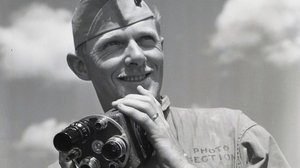
sgt. bill genaust, usmc
1906 - 1945 , United States of America
Quick Facts
- Artistic Movement Or Style: Documentary film
- Date Of Birth: 1906
- Date Of Death: 1945
- Full Name: Bill Geenast
- Nationality: American
- Notable Artworks: ['Second flag raising on Mt. Suribachi']
- Place Of Birth: Honolulu, USA