

 Preview
 Send
Send Share
Share
 Details

 Download
 Similars
 X-Ray
X-Ray Diaporama
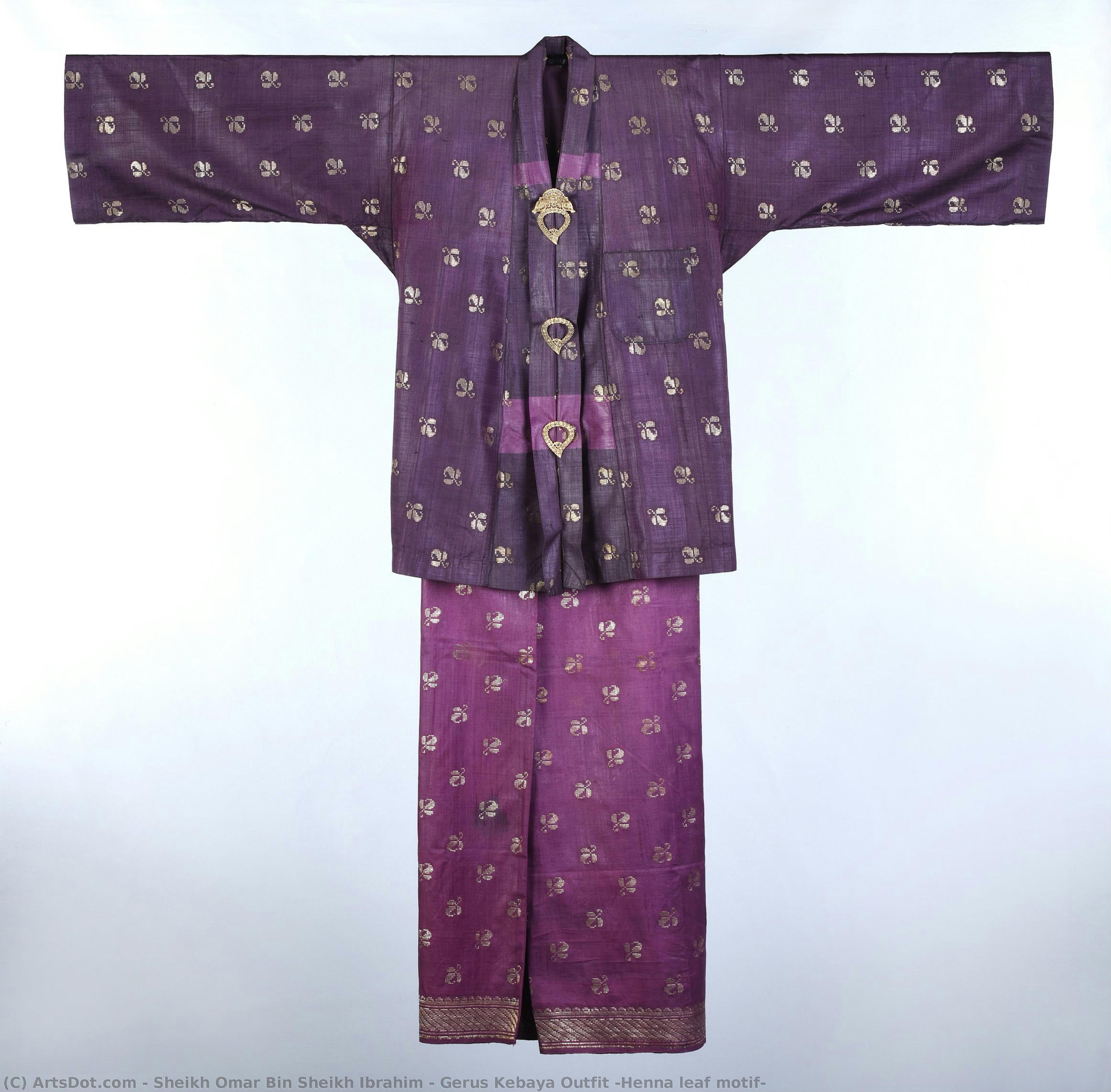
Gerus Kebaya Outfit (Henna leaf motif)


 Read More
Purchase a high-resolution, enhanced digital image, far superior to the online preview.
Each file is meticulously prepared by our in-house specialists using advanced tools and expert manual retouching. We ensure every image has exceptional clarity, precise color accuracy, and fine detail.
The final file is delivered via email within 72 hours, optimized for immediate use in professional, editorial, and print environments. This is the same quality trusted by top-tier design studios, publishers, and galleries.
Digital Image
Download a high-resolution file for personal display, printing, and creative projects. ( Buy Print Buy Hand Made Painting)
Included in Every Digital Image Order
Expert Digital Delivery, Guaranteed
When you choose ArtsDot.com, you're not just getting an image - you're receiving a professionally enhanced digital artwork, crafted with precision and backed by a satisfaction guarantee. Here's everything that comes with your order, automatically:

Fast Email Delivery
Your high-resolution digital image file will be emailed to you within 72 hours of ordering - ready for immediate use.

AI-Enhanced Digital File
Your artwork is professionally optimized using advanced AI tools and manual editing, ensuring maximum detail, clarity, and color accuracy.

Free Lifetime Re-Delivery
Accidentally deleted or lost your file? No worries - we'll resend it to you anytime, free of charge.

No Import Fees - Ever
Enjoy your artwork instantly with zero customs, duties, or delivery fees - digital downloads are always tax-free.

Color Accuracy Guarantee
We ensure your digital image reflects the original colors as closely as possible using professional tools and color management.

60-Day Satisfaction Guarantee
If you're not satisfied with your digital image, we'll revise it or refund 100% within 60 days - no questions asked.

100% Money-Back Guarantee
Not satisfied? Get a full refund within 60 days of receiving your digital file - no questions asked.

Bulk Order Discounts
Buy 3 images, save 10% - Buy 5, save 15% - Buy 10+, save 20%. Great for creative projects, galleries, and agencies.
Collectible Description
Gerus Kebaya Outfit (Henna Leaf Motif): A Window into Malaysian Heritage
This exquisite hand-painted reproduction captures the essence of a ‘Gerus Kebaya Outfit,’ a treasured garment deeply rooted in Malaysian cultural heritage. Created by Sheikh Omar bin Sheikh Ibrahim, a master artisan working in the mid-1990s, this piece offers a tangible connection to traditions that have endured for generations. The photograph itself, dating back to 1996, presents a meticulously detailed studio shot of the garment, highlighting its rich textures and intricate design – a testament to the skill and artistry involved in its creation.
Design and Technique: Harmony of Lines and Color
- Composition & Form: The composition is centered, mirroring the rectangular shape of the traditional kimono style, creating a sense of balance and visual stability. Strong vertical lines define the garment’s structure, while the flowing henna leaf motif introduces organic movement and grace.
- Color Palette: The dominant deep purple hue evokes a sense of royalty and spirituality, often associated with Malaysian textiles. Gold accents punctuate the design – particularly within the central button closure and woven into the henna leaf pattern – adding an element of opulence and signifying prosperity.
- Material Depiction: The hand-painted reproduction skillfully captures the tactile qualities of the original garment. Subtle textures suggest a luxurious fabric, possibly silk, while the smooth gold button provides a striking contrast.
Symbolism and Cultural Context: The Henna Leaf Motif
The ‘Gerus Kebaya Outfit’ is more than just clothing; it's a powerful symbol of Malaysian identity. The central motif – the henna leaf – holds deep cultural significance, often representing blessings, celebrations, and fertility within traditional Malay customs. Sheikh Omar bin Sheikh Ibrahim’s work reflects this heritage, transforming a functional garment into a potent emblem of artistic expression and cultural continuity. This piece was created during a period of significant change in Malaysia, yet it remains a steadfast reminder of the nation's rich artistic traditions.
Historical Significance & Artistic Intent
Sheikh Omar bin Sheikh Ibrahim’s creation, completed in 1996, represents a culmination of his artistic journey and a dedication to preserving traditional Malaysian craftsmanship. The studio photograph itself is a deliberate documentation of the garment's beauty and detail, intended for display or archival purposes – a snapshot in time that allows us to appreciate the artistry of this unique piece. This reproduction offers an opportunity to own a piece of living history, bringing a touch of Malaysian elegance into your home or office.
Related Artworks



Artist Biography
Henri Matisse: A Life Painted in Color
Born Henri Émile Benoît Matisse on December 31, 1869, in Cateau-Béart, France, Matisse’s journey to becoming one of the most influential figures of the 20th century was marked by a relentless pursuit of color and form. His early life, shaped by a modest upbringing and a somewhat strained relationship with his parents – particularly his imposing father – instilled within him a quiet intensity that would later find expression in his bold artistic choices. He initially showed little interest in formal art training, preferring to study Spanish at university before ultimately enrolling at the École des Beaux-Arts in Paris in 1887. However, he quickly found the traditional academic approach stifling and left after only a year, embarking on a period of independent exploration that proved pivotal to his artistic development.
Matisse’s early work reflected the influence of Impressionism and Post-Impressionism, particularly the vibrant palettes and expressive brushwork of artists like Gauguin and Van Gogh. His initial subjects were often portraits and landscapes, rendered with a growing sense of color and dynamism. A crucial turning point arrived in 1897 when he encountered Paul Signac’s theories on “pointillisme” (divisionism), which advocated for constructing images through the application of small, distinct dots of pure color. This technique profoundly impacted Matisse's approach, leading him to experiment with broken colors and a more fragmented visual style. It was during this period that he began to develop his signature use of color as an expressive element, rather than simply representing reality.
The Fauvist Revolution
Around 1905, Matisse became a central figure in the Fauvist movement – a radical artistic group characterized by its intense, non-naturalistic colors and flattened forms. Alongside artists like André Derain and Maurice de Vlaminck, Matisse pushed the boundaries of color to create works that were often jarring and emotionally charged. His paintings from this period, such as *Woman with a Hat* (1905) and *The Joy of Life* (1906), exemplify this approach – vibrant reds, blues, yellows, and greens are applied in bold, arbitrary strokes, creating an atmosphere of heightened emotion and subjective experience. Critics initially reacted negatively to the Fauves’ unconventional style, referring to them as “wild beasts,” but their innovative use of color ultimately paved the way for future developments in modern art.
Following the intensity of the Fauvist phase, Matisse gradually refined his style, moving towards a more controlled and balanced approach. He began to explore new techniques, including collage – incorporating cut paper and fabric into his paintings – and experimented with different mediums, such as sculpture and drawing. His work during this period, often referred to as “orderly art,” is characterized by its geometric precision, simplified forms, and a harmonious interplay of color. The influence of Japanese prints became increasingly apparent, particularly in the use of flat planes of color and decorative patterns.
Mature Style and Legacy
In 1917, Matisse relocated to Nice on the French Riviera, seeking respite from the pressures of Paris and a change of scenery. This move marked a significant shift in his artistic focus, leading to a period of relative calm and introspection. His paintings from this era – often referred to as “quiet” or “domestic” works – are characterized by their serene beauty and subtle color harmonies. He continued to explore the possibilities of color and form, developing a distinctive style that was both elegant and deeply personal. The 1930s saw him create his famous "cut-out" collages, utilizing colored paper cut into shapes and arranged on canvases – a testament to his lifelong fascination with design and composition.
Henri Matisse died on November 3, 1954, leaving behind an extraordinary body of work that continues to captivate audiences worldwide. His influence on subsequent generations of artists is undeniable, shaping the course of modern art through his revolutionary use of color, his innovative techniques, and his unwavering commitment to artistic expression. His legacy extends beyond painting; he demonstrated how color could be used not just to represent reality but to evoke emotion, create atmosphere, and transform the very act of seeing. His work remains a vibrant testament to the power of art to enrich our lives and expand our understanding of the world.
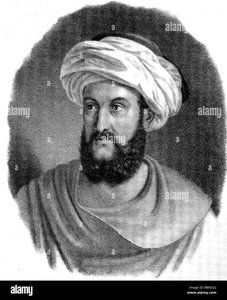
sheikh omar bin sheikh ibrahim
1913 - 1996 , Malaysia
Quick Facts
- Artistic Movement Or Style: Fauvism, Modernism, Post-Impressionism
- Artists Or Movements Influenced By This Artist:
- André Derain
- Maurice de Vlaminck
- Artists Who Influenced This Artist:
- Paul Gauguin
- Vincent van Gogh
- Date Of Birth: December 31, 1869
- Date Of Death: November 3, 1954
- Full Name: Henri Matisse
- Nationality: French
- Notable Artworks:
- Woman with a Hat
- The Joy of Life
- Blue Nude (Souvenir de Biskra)
- Dance
- Red Studio
- The Snail
- Place Of Birth: Cateau-Béart, France

