 Preview
 Send
Send Share
Share
 Details

 Download
 Similars
 X-Ray
X-Ray Diaporama
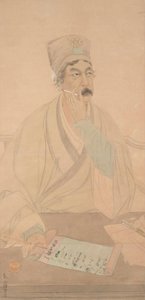
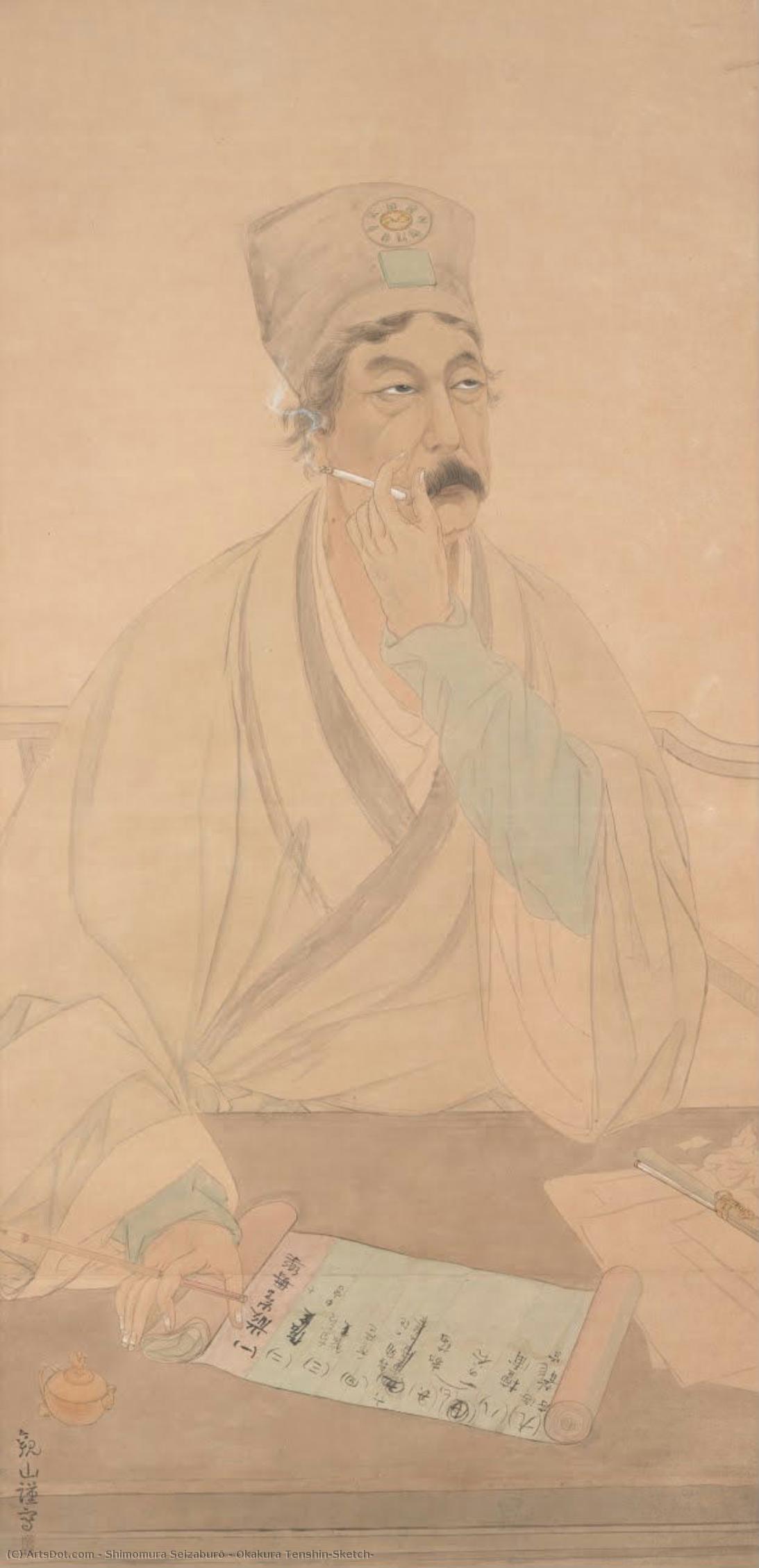
Okakura Tenshin(Sketch)
 1922
1922 136.0 x 66.0 cm
 Read More
Hand Made Oil Reproduction
Hand-painted oil on canvas in your size and frame, made to order by our artists. ( Buy Print Buy Image)




































Pick from our preset sizes that match the artwork's original proportions.

You may enter your own dimensions to fit a specific frame or space. If your selected size does not match the original image's proportions, we will either crop the artwork or extend the painting with additional hand-painted elements. A digital mockup will be sent for your approval before production begins.
Please note that the on-screen preview does not reflect the actual cropping or extension. Only the mockup will accurately show the final composition.
While custom sizes are available, we recommend selecting a dimension from the predefined list to preserve the original proportions.
After order, ArtsDot.com team will email client for instructions and provide a mockup preview
Worldwide Delivery () in 3/4 weeks instead of standard 5 weeks. (26 August). No compromise on quality.

Free Worldwide Express Shipping

High-Quality Linen Canvas

Full Shipping Insurance

Customs Tax Refund Guarantee

True Color Matching Guarantee

60-Day Return Policy (Defects Only)

100% Money-Back Guarantee

Bulk Discount Offer
 Glass option is only available in size under 110 CM

Okakura Tenshin(Sketch)
Reproduction Medium
Reproduction Size
-


Total Price
$ 263
Artwork Description
Related Artworks


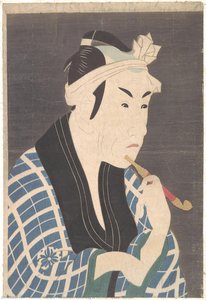


![Untitled [uwaki No Sō (the Fickle Onethe Fickle One)] — Kitagawa Utamaro, Impressionistic Style](/media/artworks/images-thumb/46/8e/468eafb3b6da18ad90b6e962513246d1.jpg)
Artist Biography
A Life Immersed in Tradition: The World of Kanzan Shimomura
Kanzan Shimomura, born Seizaburō Shimomura in 1873 in Wakayama City, Japan, was a pivotal figure bridging the gap between classical Japanese painting and the burgeoning modern art movements of the Meiji and Shōwa periods. His life story is one deeply interwoven with the threads of hereditary Noh performance, rigorous artistic training, and a dedication to preserving yet evolving the essence of *nihonga* – traditional Japanese-style painting. Born into a family that served the Kii Tokugawa clan for generations through the art of Noh theatre, Shimomura’s early life was steeped in the aesthetics of refined movement, dramatic storytelling, and an appreciation for cultural heritage. This foundation would profoundly shape his artistic vision, even as he embarked on a path seemingly divergent from his ancestors’. At the age of eight, young Seizaburō moved to Tokyo, signaling the beginning of his formal art education—a journey that would ultimately lead him to become known as Kanzan Shimomura.The Path of Learning: From Kanō Hōgai to Hashimoto Gahō
Shimomura’s artistic development was guided by two immensely influential masters. He first studied under Kanō Hōgai, a key figure in the modernization of traditional painting styles. Hōgai instilled within him an understanding of the Kano school's techniques—characterized by its bold brushwork, dynamic compositions, and often monumental scale. However, it was his subsequent tutelage under Hashimoto Gahō that truly solidified Shimomura’s artistic direction. Gahō, a leading proponent of *nihonga*, emphasized the importance of studying classical Japanese painting, particularly yamato-e – court paintings known for their delicate detail and narrative quality. This rigorous training at Tokyo Bijutsu Gakko (the forerunner of the Tokyo National University of Fine Arts and Music), where he graduated with high honors, provided Shimomura with a comprehensive understanding of both historical precedents and contemporary artistic trends. He quickly became an instructor at the school in 1894, demonstrating his exceptional talent and grasp of painting principles.Founding a New Vision: The Nihon Bijutsuin & International Influences
A turning point in Shimomura’s career came with his involvement in the founding of the *Nihon Bijutsu-in* (Japan Fine Arts Academy) alongside Okakura Tenshin, Yokoyama Taikan, and Hishida Shunsō. This academy represented a conscious effort to establish a distinctly Japanese artistic identity, free from the overwhelming influence of Western art while still embracing innovation. However, Shimomura’s commitment to exploring new horizons led him on a two-year study trip to England in 1903. This exposure to Western painting techniques and aesthetics broadened his perspective, allowing him to integrate elements of realism into his traditionally Japanese style. He wasn't simply mimicking Western approaches; rather, he was seeking ways to enrich *nihonga* with new possibilities, creating a unique synthesis that would become his hallmark. His return to Japan saw him resume teaching at Tokyo Bijutsu Gakko and actively participate in major art exhibitions like the Bunten and Inten, serving as a judge and mentor to aspiring artists.Themes of Nobility & Spirituality: A Signature Style
Kanzan Shimomura’s works are characterized by their elegant style, delicate brushwork, and profound sense of spirituality. He masterfully blended influences from the Kano school, yamato-e painting, and Edo-period decorative traditions. His subject matter often revolved around themes of nobility, nature, and the world of Noh theatre—a clear reflection of his upbringing. One of his most celebrated pieces, *Yoroboshi* (The Beggar Monk) created in 1915, exemplifies these qualities. This byōbu (folding screen) depicts a poignant scene from the famous Noh play of the same name, showcasing a blind monk who has achieved enlightenment despite facing hardship and societal rejection. The work’s composition draws heavily from Momoyama and Edo period styles, with a strong Rimpa influence evident in its use of color and decorative elements. Other notable works include *Ōhara Gokō* (The Emperor’s Visit to Ōhara) and numerous illustrations reflecting his deep connection to Japanese literature and folklore.Legacy & Historical Significance
Kanzan Shimomura's contributions to the modernization of traditional Japanese painting are undeniable. He was awarded the Order of the Rising Sun, Gold Rays with Neck Ribbon in 1927, a testament to his artistic achievements and cultural impact. He didn’t merely preserve *nihonga*; he revitalized it, infusing it with new life while remaining deeply rooted in its historical foundations. His ability to synthesize diverse influences—from classical Japanese painting to Western realism—created a unique aesthetic that resonated with audiences both at home and abroad. Today, Shimomura is recognized as one of the greatest *nihonga* painters of the Meiji and Taishō periods, leaving behind a legacy of artistic excellence and a profound appreciation for the enduring power of tradition. His works continue to inspire artists and captivate viewers with their beauty, elegance, and spiritual depth.
shimomura seizaburō
1873 - 1930 , Japan
Quick Facts
- Artistic Movement Or Style: Nihonga painting
- Artists Who Influenced This Artist:
- Kanō Hōgai
- Hashimoto Gahō
- Date Of Birth: April 10, 1873
- Date Of Death: May 10, 1930
- Full Name: Shimomura Seizaburō
- Nationality: Japanese
- Notable Artworks:
- Yoroboshi
- Empress Kōmyō
- Place Of Birth: Wakayama, Japan