 Preview
 Send
Send Share
Share
 Details

 Download
 Similars
 X-Ray
X-Ray Diaporama
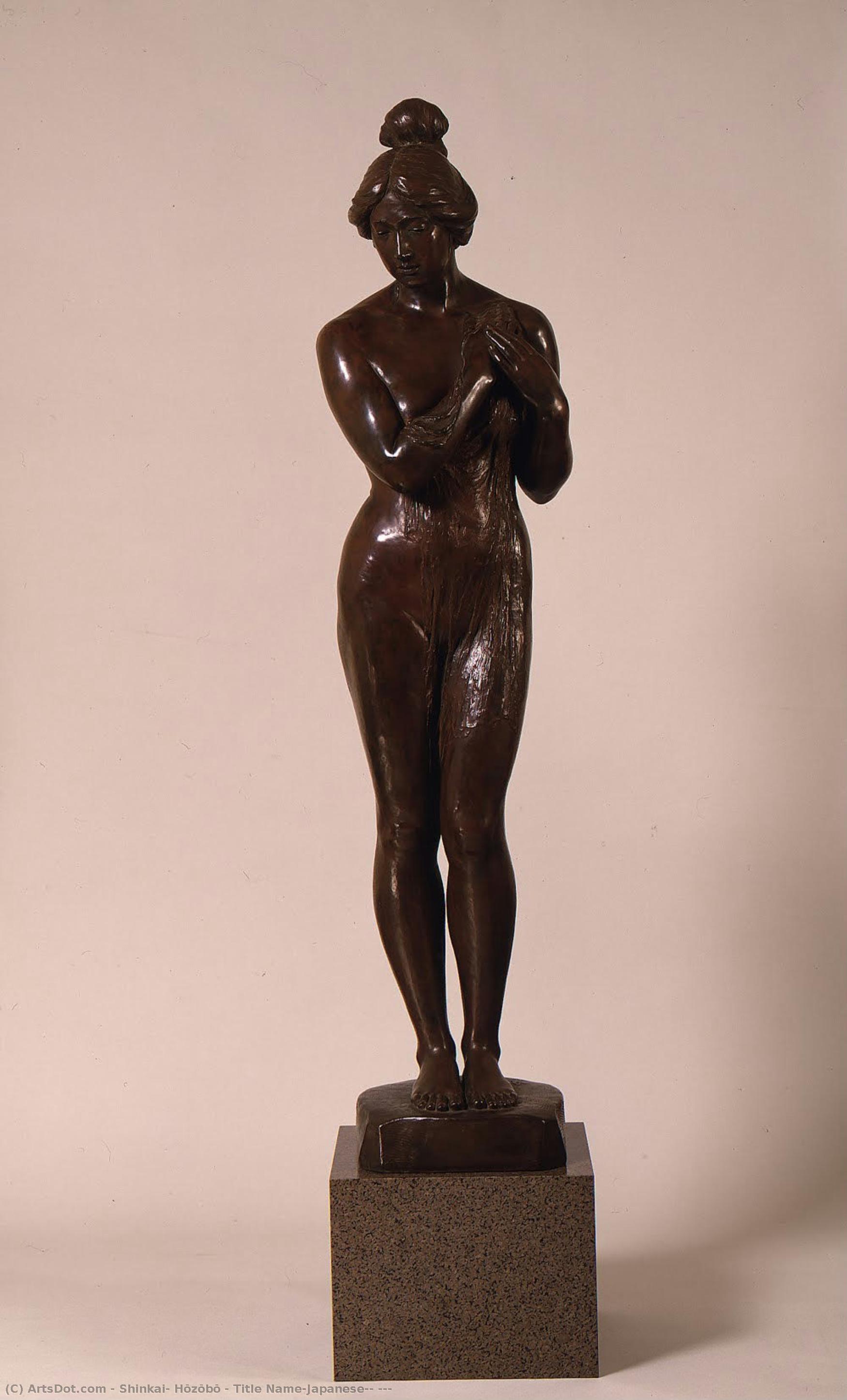
Title Name(Japanese): 湯あみ
 1907
1907 46.0 x 189.0 cm
 Read More
Hand Made Oil Reproduction
Hand-painted oil on canvas in your size and frame, made to order by our artists. ( Buy Print Buy Image)




































Pick from our preset sizes that match the artwork's original proportions.

You may enter your own dimensions to fit a specific frame or space. If your selected size does not match the original image's proportions, we will either crop the artwork or extend the painting with additional hand-painted elements. A digital mockup will be sent for your approval before production begins.
Please note that the on-screen preview does not reflect the actual cropping or extension. Only the mockup will accurately show the final composition.
While custom sizes are available, we recommend selecting a dimension from the predefined list to preserve the original proportions.
After order, ArtsDot.com team will email client for instructions and provide a mockup preview
Worldwide Delivery () in 3/4 weeks instead of standard 5 weeks. (25 August). No compromise on quality.

Free Worldwide Express Shipping

High-Quality Linen Canvas

Full Shipping Insurance

Customs Tax Refund Guarantee

True Color Matching Guarantee

60-Day Return Policy (Defects Only)

100% Money-Back Guarantee

Bulk Discount Offer
 Glass option is only available in size under 110 CM

Title Name(Japanese): 湯あみ
Reproduction Medium
Reproduction Size
-


Total Price
$ 263
Related Artworks









Artist Biography
A Life of Serenity: The World of Hōzōbō Shinkai
The Edo period (1603-1868) in Japan was a time of relative peace and flourishing arts, and within this vibrant era lived Hōzōbō Shinkai, a Buddhist monk whose ink paintings captured a unique blend of spiritual contemplation and playful observation. Born in Tokyo in 1626, Shinkai’s life remains somewhat shrouded in mystery—details beyond his artistic output are scarce. However, the very nature of his work suggests a man deeply immersed in Zen Buddhism, finding beauty and meaning not in grand narratives but in the quiet moments of everyday existence. He passed away in 1688, leaving behind a legacy that continues to resonate with its delicate simplicity and profound sense of calm.The Monk-Artist: A Synthesis of Disciplines
Shinkai was not merely an artist who happened to be a monk; his artistic practice *was* his spiritual practice. He belonged to a tradition where calligraphy, painting, and poetry were considered integral aspects of Buddhist cultivation. This holistic approach is evident in his works, which often feature subtle kyoka poems—playful verses intended to challenge conventional thought and reveal deeper truths through wit and irony. His paintings weren’t created for lavish display or aristocratic patronage; they were expressions of personal insight, reflections on the impermanence of life, and invitations to meditative contemplation. The brushstrokes themselves are imbued with a sense of mindfulness, each line carefully considered and executed with precision. He wasn't striving for photorealistic representation but rather sought to capture the *essence* of his subjects—the spirit within the form.Ink Wash and Playful Subjects: A Distinctive Style
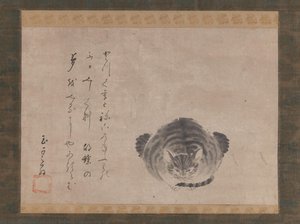
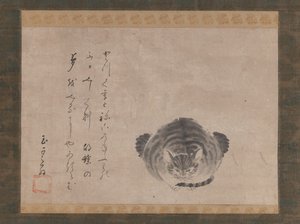
Shinkai’s artistic style is characterized by its masterful use of ink wash painting, or *sumi-e*. He employed a limited palette, primarily relying on shades of black ink to create evocative images with remarkable depth and nuance. His most celebrated works feature cats—not majestic tigers or fierce lions, but ordinary domestic felines depicted in humorous and endearing poses. These weren’t simply charming depictions of animals; they were vehicles for exploring Zen Buddhist themes. A particularly famous example is “Dreaming Cat,” where a tabby cat appears lost in peaceful slumber, perhaps symbolizing the illusory nature of reality or the potential for enlightenment found within everyday life. The simplicity of the composition—a single cat against a blank background—is profoundly effective, drawing the viewer into a state of quiet contemplation.Influences and Artistic Lineage
While pinpointing specific artistic influences is difficult due to limited historical records, Shinkai’s work clearly demonstrates an understanding of traditional Japanese painting styles, particularly those associated with the Kanō school and the literati painting tradition (*bunjinga*). The Kanō school emphasized formal technique and decorative elegance, while *bunjinga* celebrated scholarly pursuits and a more spontaneous approach to brushwork. Shinkai skillfully blended these elements, creating a style that was both refined and expressive. His affinity for kyoka poetry suggests an engagement with intellectual circles of the time, further enriching his artistic perspective.Legacy and Historical Significance
Hōzōbō Shinkai’s contribution to Japanese art lies not in groundbreaking innovation but in the quiet power of his personal vision. He didn't seek to revolutionize painting; he sought to refine it—to imbue it with spiritual depth and playful wisdom. His works offer a glimpse into the mind of a Zen Buddhist monk, revealing a profound appreciation for the beauty of simplicity and the importance of mindful observation. Today, Shinkai’s paintings are treasured for their serene atmosphere, delicate technique, and subtle humor. They serve as a reminder that enlightenment can be found not in grand gestures or elaborate rituals but in the quiet moments of everyday life—a sleeping cat, a playful verse, a single brushstroke imbued with intention.- Notable Artwork: Dreaming Cat
- Artistic Movement: Ink Wash Painting (Sumi-e)
- Period: Edo Period (1603-1868)
shinkai, hōzōbō
1626 - 1688 , Japan
Quick Facts
- Artistic Movement Or Style: Ink Painting
- Date Of Birth: 1626 Tokyo Japan
- Date Of Death: 1688
- Full Name: Hōzōbō Shinkai
- Nationality: Japanese
- Notable Artworks:
- Dreaming Cat
- 湯あみ
- Place Of Birth: Tokyo Japan