

 Preview
 Send
Send Share
Share
 Details

 Download
 Similars
 X-Ray
X-Ray Diaporama
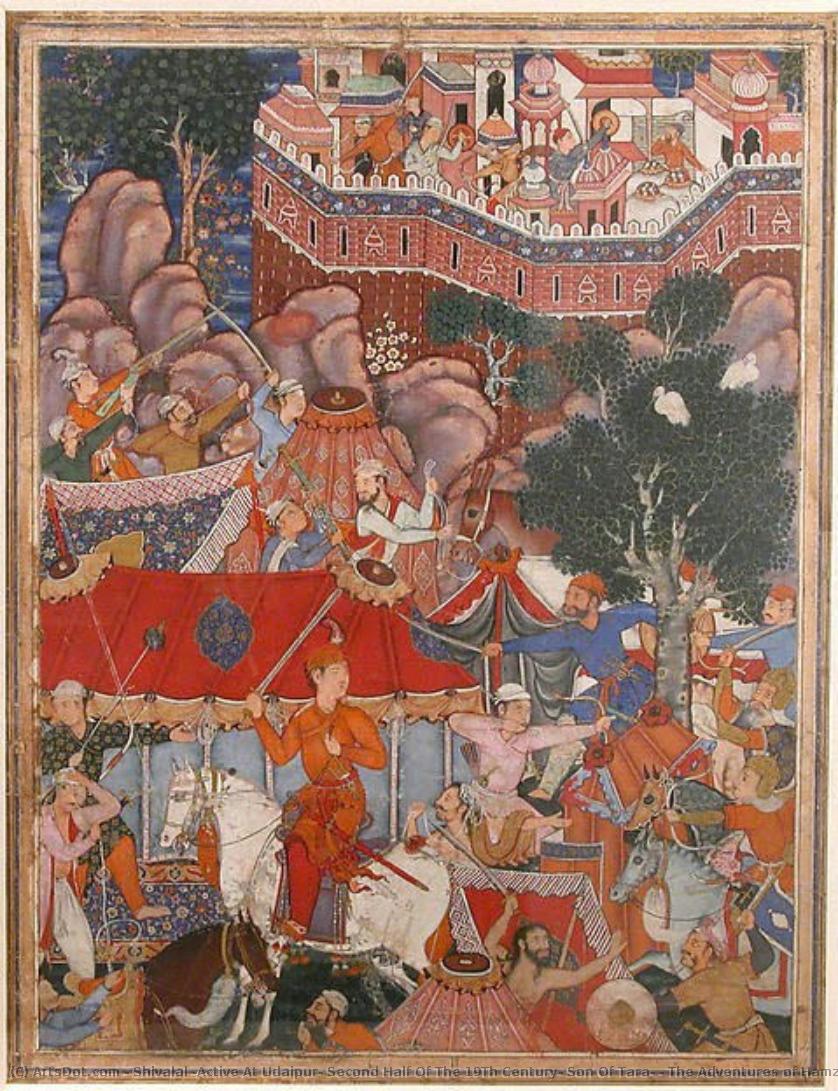
The Adventures of Hamza


 Read More
Purchase a high-resolution, enhanced digital image, far superior to the online preview.
Each file is meticulously prepared by our in-house specialists using advanced tools and expert manual retouching. We ensure every image has exceptional clarity, precise color accuracy, and fine detail.
The final file is delivered via email within 72 hours, optimized for immediate use in professional, editorial, and print environments. This is the same quality trusted by top-tier design studios, publishers, and galleries.
Digital Image
Download a high-resolution file for personal display, printing, and creative projects. ( Buy Print Buy Hand Made Painting)
Included in Every Digital Image Order
Expert Digital Delivery, Guaranteed
When you choose ArtsDot.com, you're not just getting an image - you're receiving a professionally enhanced digital artwork, crafted with precision and backed by a satisfaction guarantee. Here's everything that comes with your order, automatically:

Fast Email Delivery
Your high-resolution digital image file will be emailed to you within 72 hours of ordering - ready for immediate use.

AI-Enhanced Digital File
Your artwork is professionally optimized using advanced AI tools and manual editing, ensuring maximum detail, clarity, and color accuracy.

Free Lifetime Re-Delivery
Accidentally deleted or lost your file? No worries - we'll resend it to you anytime, free of charge.

No Import Fees - Ever
Enjoy your artwork instantly with zero customs, duties, or delivery fees - digital downloads are always tax-free.

Color Accuracy Guarantee
We ensure your digital image reflects the original colors as closely as possible using professional tools and color management.

60-Day Satisfaction Guarantee
If you're not satisfied with your digital image, we'll revise it or refund 100% within 60 days - no questions asked.

100% Money-Back Guarantee
Not satisfied? Get a full refund within 60 days of receiving your digital file - no questions asked.

Bulk Order Discounts
Buy 3 images, save 10% - Buy 5, save 15% - Buy 10+, save 20%. Great for creative projects, galleries, and agencies.
Collectible Description
Related Artworks









Artist Biography
The Enigmatic Brush of Tara’s Son: A Life Dedicated to Miniature Painting
The late 19th century in Udaipur, Rajasthan, was a crucible of artistic tradition, and within this vibrant milieu emerged the painter known simply as the son of Tara. While biographical details remain frustratingly scarce – a common fate for artists working within established court styles – his legacy is etched vividly onto the delicate surfaces of countless miniature paintings. He wasn’t a revolutionary figure seeking to overturn convention; rather, he was a master craftsman who embodied and refined the existing aesthetic principles of the Mewar school, inheriting a lineage stretching back generations. His father, Tara, himself a respected artist, undoubtedly provided the foundational training that allowed his son to flourish. The lack of extensive personal documentation forces us to understand him through his work – a testament to the power of artistic expression to transcend the limitations of historical record. He lived and worked during a period of significant change in India, witnessing the increasing influence of British colonialism, yet his art remained steadfastly rooted in indigenous narratives and visual languages.A Legacy Forged in Tradition: Influences and Early Development
The son of Tara’s artistic development was deeply intertwined with the patronage system prevalent in Udaipur. The Mewar court, though diminished in political power compared to its zenith, continued to commission paintings for religious ceremonies, historical chronicles, and personal enjoyment. These commissions provided a crucial training ground, exposing him to a diverse range of subjects and stylistic demands. Early works reveal a strong adherence to the established conventions of Mewar painting: bold colors, flattened perspectives, intricate detailing, and an emphasis on narrative clarity.- The Bhagavata Purana: A significant portion of his early output focused on illustrating episodes from the *Bhagavata Purana*, a Hindu text recounting the life and deeds of Lord Krishna. These paintings demonstrate his skill in depicting emotive figures, lush landscapes, and dynamic compositions.
- Ragamala Paintings: He also excelled in painting *ragamalas* – visual representations of musical modes or “melodies.” Each *raga* was associated with a specific mood, time of day, and season, which the artist conveyed through symbolic imagery and color palettes.
- Courtly Life: Scenes depicting courtly life – hunting expeditions, royal processions, and intimate moments within the zenana (women’s quarters) – showcase his ability to capture the elegance and refinement of Mewar society.
Mastering the Miniature: Technique and Artistic Characteristics
The son of Tara’s technical prowess was remarkable. Miniature painting demanded an extraordinary level of precision, patience, and skill. He worked primarily on paper, using natural pigments derived from minerals, plants, and precious stones. The process involved meticulously layering colors to create depth and luminosity, often employing techniques like *kajli*, a method of outlining figures with black ink to enhance their definition.- Color Palette: His color palette was typically rich and vibrant, featuring shades of gold, crimson, indigo, emerald green, and ochre. He skillfully balanced these colors to create harmonious compositions that evoked specific moods and emotions.
- Detailed Composition: The intricate detailing in his paintings is particularly noteworthy – the delicate patterns on textiles, the elaborate jewelry adorning figures, and the lush foliage of landscapes all testify to his exceptional craftsmanship.
- Narrative Focus: Despite the small scale of his works, he managed to convey complex narratives with clarity and precision. His paintings are not merely decorative; they tell stories, evoke emotions, and offer insights into the cultural beliefs and values of Mewar society.
Historical Significance: Preserving a Tradition in a Changing World
The son of Tara’s work occupies a crucial position in the history of Mewar painting. He lived during a period when traditional art forms were facing increasing competition from Western artistic styles and mass-produced prints. His dedication to preserving the established conventions of miniature painting – while subtly refining them – helped ensure the survival of this unique artistic tradition.- Patronage Decline: The decline in royal patronage towards the end of the 19th century posed a significant challenge for artists like him. He likely relied on commissions from wealthy merchants and private collectors to sustain his livelihood.
- Cultural Preservation: His paintings serve as invaluable historical documents, providing insights into the religious beliefs, social customs, and artistic tastes of Mewar society during this period.
- Artistic Legacy: Although he did not establish a large workshop or train numerous disciples, his influence can be seen in the work of later Mewar painters who continued to uphold the traditions he embodied. His paintings are now highly sought after by collectors and museums worldwide, testament to their enduring artistic merit.
Quick Facts
- Artistic Movement Or Style: Rajasthan School
- Artists Or Movements Influenced By This Artist: ['(Unknown)']
- Artists Who Influenced This Artist: ['Tara (Father)']
- Date Of Birth: (Unknown)
- Date Of Death: Living
- Full Name: Shivalal
- Nationality: Indian
- Notable Artworks: ['(Unknown Titles)']
- Place Of Birth: Udaipur, India

