 Preview
 Send
Send Share
Share
 Details

 Download
 Similars
 X-Ray
X-Ray Diaporama
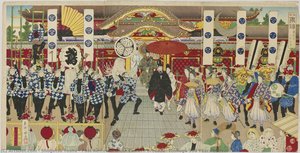
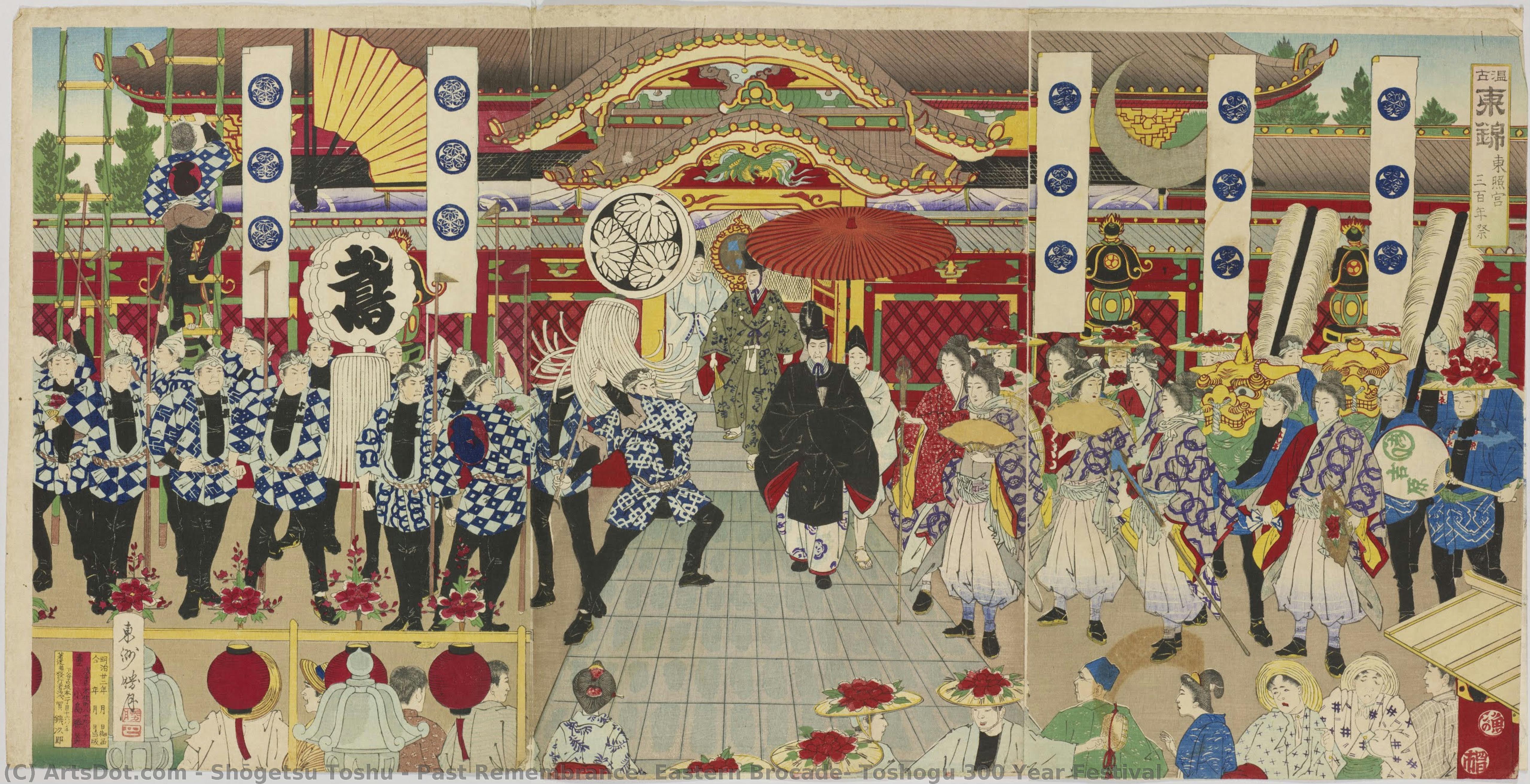
Past Remembrance: Eastern Brocade: Toshogu 300 Year Festival


 Read More
Hand Made Oil Reproduction
Hand-painted oil on canvas in your size and frame, made to order by our artists. ( Buy Print Buy Image)




































Pick from our preset sizes that match the artwork's original proportions.

You may enter your own dimensions to fit a specific frame or space. If your selected size does not match the original image's proportions, we will either crop the artwork or extend the painting with additional hand-painted elements. A digital mockup will be sent for your approval before production begins.
Please note that the on-screen preview does not reflect the actual cropping or extension. Only the mockup will accurately show the final composition.
While custom sizes are available, we recommend selecting a dimension from the predefined list to preserve the original proportions.
After order, ArtsDot.com team will email client for instructions and provide a mockup preview
Worldwide Delivery () in 3/4 weeks instead of standard 5 weeks. (27 August). No compromise on quality.

Free Worldwide Express Shipping

High-Quality Linen Canvas

Full Shipping Insurance

Customs Tax Refund Guarantee

True Color Matching Guarantee

60-Day Return Policy (Defects Only)

100% Money-Back Guarantee

Bulk Discount Offer
 Glass option is only available in size under 110 CM

Past Remembrance: Eastern Brocade: Toshogu 300 Year Festival
Reproduction Medium
Reproduction Size
-


Total Price
$ 263
Related Artworks









Artist Biography
The Soul of the Floating World: The Life and Legacy of Shōgetsu Toshu
In the twilight of the Edo period, as Japan stood on the precipice of profound modernization, the art of Ukiyo-e captured a world in transition. Among the most evocative voices of this era was Shōgetsu Toshu (東洲勝月), born Kojima Katsumi (小島勝美) around 1850. His life and work serve as a poignant bridge between the ancient traditions of the woodblock print and the turbulent, transformative energy of the Meiji Restoration. Though biographical records from this period are often shrouded in the mists of time, Toshu’s artistic presence remains undeniably clear through his ability to translate historical upheaval into breathtaking visual narratives.
The foundations of Toshu’s mastery were laid under the rigorous guidance of the esteemed Ukiyo-e master Toshikata (東川壽勝). Through this apprenticeship, Kojima Katsumi absorbed the technical precision and dramatic flair required to command the medium. He learned to manipulate line, color, and perspective to evoke the grandeur of samurai legends and the visceral intensity of theatrical performances. This lineage of training instilled in him a deep respect for the aesthetic conventions of his predecessors, yet it also provided him with the tools to document the shifting tides of his own contemporary reality.
A Canvas of Conflict and Patriotism
As the 19th century drew to a close, Japan’s geopolitical landscape was reshaped by the Sino-Japanese War (1894-95). For Toshu, this period of intense nationalistic fervor provided a powerful subject matter that would define much of his most celebrated output. He became a visual chronicler of imperial ambition, using the woodblock medium to stir patriotic sentiment and commemorate pivotal military moments. His work during this era is characterized by an extraordinary sense of movement and scale, capturing the gravity of naval engagements and the spirit of a nation asserting its place on the global stage.
One of his most striking achievements from this period is the monumental composition “Kurihashi Ferry” (1894). In this print, Toshu demonstrates a masterful command of dramatic perspective, utilizing bold colors and intricate details to depict a naval confrontation with a sense of cinematic urgency. Such works were more than mere illustrations; they were emotional conduits for a public navigating the complexities of war and national identity. Through his lens, the chaos of conflict was transformed into a structured, heroic narrative that resonated deeply with the Japanese populace.
The Intersection of Tradition and Modernity
Beyond the battlefield, Toshu’s oeuvre reflects a nuanced engagement with the encroaching modern world. His prints often capture the arrival of foreign influences—such as the sight of American ships appearing on the horizon—blending the familiar landscapes of Japan with the startling presence of the unknown. This ability to weave together the traditional motifs of the ukiyo-e genre with the burgeoning realities of a globalizing society marks his historical significance. He did not merely document change; he interpreted it, finding beauty in the collision of old and new.
The enduring legacy of Shōgetsu Toshu lies in this very duality. While his technical roots remained firmly planted in the classical traditions of the Edo masters, his vision was inherently forward-looking. His work remains a vital historical record, offering scholars and art lovers alike a window into the heart of late 19th-century Japan—a period defined by the echoes of war, the weight of tradition, and the relentless march of progress.
shōgetsu toshu
1850 - 1900 , Japan
Quick Facts
- Artistic Movement Or Style: Ukiyo-e
- Artists Or Movements Influenced By This Artist: ['Hayakawa Shōzan']
- Artists Who Influenced This Artist: ['Toshikata']
- Date Of Death: 1895
- Full Name: Kojima Katsumi
- Nationality: Japanese
- Notable Artworks:
- Kurihashi Ferry
- Fore Lee Boat Docks
- Place Of Birth: Tokyo, Japan