 Send
Send Share
Share
 Details

 Download
 Similars
 Diaporama
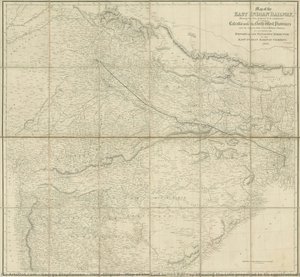
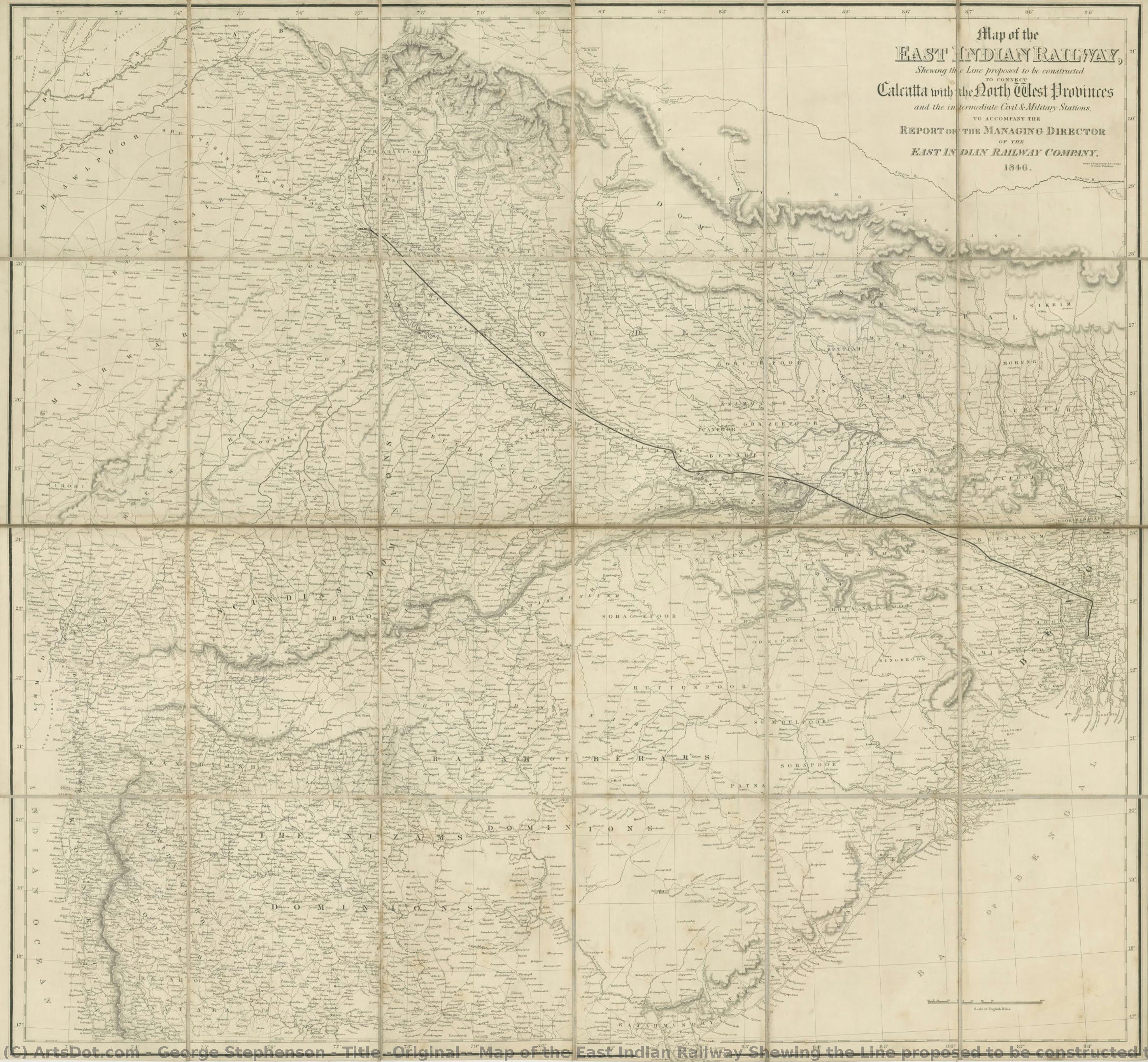
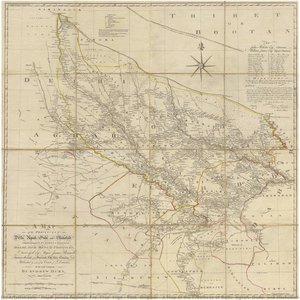
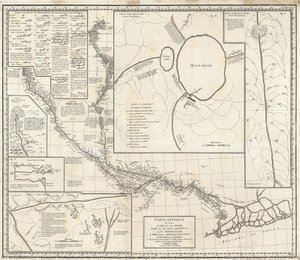
Title (Original): Map of the East Indian Railway Shewing the Line proposed to be constructed to connect Calcutta with the North West Provinces and the Immediate Civil and Military Stations to Accompany the Report of the Managing Director of the East ....
 Linen
Linen- Textile
 19th Century
 110.0 x 117.0 cm
 Kalakriti Archives
 Read More
Hand Made Oil Reproduction
Hand-painted oil on canvas in your size and frame, made to order by our artists. ( Buy Print Buy Image)




































Pick from our preset sizes that match the artwork's original proportions.

You may enter your own dimensions to fit a specific frame or space. If your selected size does not match the original image's proportions, we will either crop the artwork or extend the painting with additional hand-painted elements. A digital mockup will be sent for your approval before production begins.
Please note that the on-screen preview does not reflect the actual cropping or extension. Only the mockup will accurately show the final composition.
While custom sizes are available, we recommend selecting a dimension from the predefined list to preserve the original proportions.
After order, ArtsDot.com team will email client for instructions and provide a mockup preview
Worldwide Delivery () in 3/4 weeks instead of standard 5 weeks. (25 August). No compromise on quality.

Free Worldwide Express Shipping

High-Quality Linen Canvas

Full Shipping Insurance

Customs Tax Refund Guarantee

True Color Matching Guarantee

60-Day Return Policy (Defects Only)

100% Money-Back Guarantee

Bulk Discount Offer
 Glass option is only available in size under 110 CM

Title (Original): Map of the East Indian Railway Shewing the Line proposed to be constructed to connect Calcutta with the North West Provinces and the Immediate Civil and Military Stations to Accompany the Report of the Managing Director of the East ....
Reproduction Medium
Reproduction Size
-


Total Price
$ 263
Artwork Description
A Cartographic Vision of Progress
In the grand tapestry of nineteenth-century history, few artifacts capture the raw ambition of the industrial age as poignantly as this exquisite map of the East Indian Railway. This work is far more than a mere navigational tool; it is a profound visual manifesto of connectivity and colonial expansion. Rendered with meticulous precision, the painting traces the proposed iron arteries intended to link the bustling port of Calcutta with the distant North West Provinces. Through delicate linework and a sophisticated monochromatic palette, the piece captures the moment when the vast, disparate landscapes of the Indian subcontinent began to coalesce into a singular, interconnected network. For the discerning collector, this work offers a window into an era where engineering prowess met the boundless spirit of exploration, making it a captivating centerpiece for any collection focused on historical significance or the evolution of global infrastructure.
The artistry of George Stephenson—a name synonymous with the very birth of the railway age—infuses this map with a sense of structural elegance and technical mastery. While primarily a feat of cartographic accuracy, the painting possesses an aesthetic grace that transcends its utilitarian origins. The use of linen as a medium lends a soft, organic texture to the stark, black-and-white composition, allowing the fine details of the projected railway lines to emerge with a striking clarity. Every stroke serves to illustrate not just geography, but the triumph of human ingenuity over formidable natural barriers, such as the mighty Son River. The subtle interplay of light and shadow across the depicted terrain evokes a sense of depth, inviting the viewer to wander through the imagined landscapes of a transforming empire.
Beyond its technical brilliance, the piece carries a heavy emotional and symbolic weight. It represents the dawn of a new epoch, where the rhythmic pulse of the locomotive promised to shrink distances and bridge cultures. There is an inherent tension captured within these lines—the duality of progress that brought both unprecedented economic opportunity and the tightening grip of colonial administration. To display such a work in a sophisticated interior is to invite a conversation about the legacies of movement, communication, and the indelible marks left by industrialization on the human psyche. It serves as a timeless tribute to the era of steam, offering an evocative atmosphere of nostalgia and intellectual curiosity that resonates deeply with art lovers and historians alike.
Related Artworks

Artist Biography
The Architect of the Iron Age
George Stephenson (1781–1848) stands as a monumental figure in the annals of British history, undeniably recognized as the ‘father of railways.’ However, his legacy extends far beyond the transformative impact he had on transportation; it subtly yet powerfully influenced artistic movements and sensibilities of the Victorian era. This influence wasn’t born from brushstrokes or pigment palettes but rather from the profound societal shifts instigated by his groundbreaking innovations—shifts that reverberated throughout British culture, including its visual arts. Born in Wylam, Northumberland, Stephenson's formative years were characterized by an exceptional aptitude for mechanics. From a young age, he demonstrated a fascination with machines and instruments, fueling a lifelong pursuit of understanding how things worked. This inquisitive spirit would prove instrumental in his future endeavors as an engineer.
His journey from a humble background to the pinnacle of industrial achievement is a narrative of pure, unadulterated grit. Without formal education, Stephenson taught himself the fundamentals of reading, writing, and arithmetic, driven by a thirst for knowledge that mirrored the steam engines he would later perfect. His early career in the coal mines of the North East provided the raw, gritty crucible necessary to forge his genius. It was here, amidst the soot and iron of the Industrial Revolution, that he began to envision a world connected by steel. His decision to adopt the ‘Stephenson gauge’—a standardized railway track width—established a benchmark that continues to define global rail infrastructure today. This standardization was not merely a technical feat; it was an act of unification, physically and conceptually knitting together a fragmented landscape.
The Steam Engine as a Cultural Catalyst
As the iron rails began to pierce through the pastoral landscapes of Britain, they brought with them a new aesthetic reality. The sheer scale of railway construction demanded new materials and methods—iron, coal, and steam—which fundamentally altered the visual vocabulary of the era. While painters like John Constable captured the vanishing tranquility of the English countryside, the encroaching presence of Stephenson’s locomotives introduced a sense of dynamic motion and industrial power. This tension between the traditional and the modern became a central theme in Victorian art. The arrival of the railway was not just a logistical triumph; it was a sensory revolution that changed how light, shadow, and distance were perceived by the human eye.
The expansion of the rail network also facilitated a new era of artistic mobility. Artists could now travel more easily to remote landscapes, bringing the rugged beauty of the North and the dramatic vistas of the coast into the urban galleries of London. This connectivity allowed for a broader dissemination of styles and ideas, contributing to the vibrant, often contradictory, energy of the Victorian period. Even as the Arts and Crafts movement emerged as a poignant reaction against the perceived dehumanizing effects of industrialization—led by figures such as William Morris—it was reacting to the very world that Stephenson had helped build. The movement's reverence for handcrafted beauty and organic forms served as a profound counterpoint to the precision and mass production epitomized by the railway age.
A Legacy Forged in Iron and Vision
The achievements of George Stephenson are etched into the very geography of the modern world. His work on the Stockton and Darlington Railway and the development of the legendary Locomotion No. 1 laid the groundwork for a global transportation revolution. Beyond the mechanical, his influence can be seen in the way history itself is recorded and visualized. The detailed maps and technical drawings produced during this era, such as those documenting the East Indian Railway, serve as unique windows into a time of unprecedented expansion and colonial ambition.
Ultimately, Stephenson’s significance lies in his role as a pioneer of progress. He embodied the Victorian ideal of diligent application and an unquenchable thirst for improvement. While he may not have held a paintbrush, his hand guided the movement of the very society that produced some of the most iconic works of art in history. To study Stephenson is to study the heartbeat of the Industrial Revolution—a rhythmic, powerful pulse of steam and steel that forever altered the trajectory of human civilization.
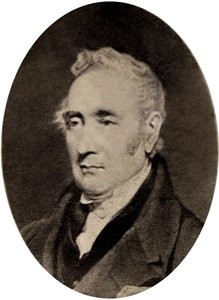
George Stephenson
1781 - 1848 , United Kingdom
Quick Facts
- Artistic Movement Or Style: Industrial Revolution
- Artists Or Movements Influenced By This Artist:
- Arts & Crafts
- William Morris
- John Constable
- Date Of Birth: 1781
- Date Of Death: 1848
- Full Name: George Stephenson
- Nationality: British
- Place Of Birth: Wylam, UK
Related Articles

Dark Masterpieces: 10 Iconic Paintings Dominated by Black Tones |
Explore 10 iconic paintings dominated by black tones, from Rembrandt’s chiaroscuro to Goya's dark expressions. Discover the stories behind these masterpieces & find museum-quality art reproductions for your home at .
Raja Ravi Varma: Bridging Tradition & Modernity in 19th-Century Indian Art
Explore the life & art of Raja Ravi Varma, a pioneer who fused European techniques with Indian iconography. Discover his iconic paintings, lasting legacy, and influence on modern Indian art at ArtsDot.

Mars Black Masterpieces: 10 Iconic Paintings & Timeless Art Decor Ideas
Delve into the power of 'Mars Black' with 10 iconic paintings by masters like Rembrandt & Caravaggio. Explore dramatic chiaroscuro, gothic art, and timeless beauty. Find museum-quality reproductions & elevate your home decor on .
Echoes of Time: Nostalgia, Technique & Cultural Significance in Vintage Paintings
Explore the captivating world of vintage paintings! Discover key styles, cultural significance & collecting tips from art experts at ArtsDot. Find authentic reproductions and elevate your home décor.
Lamp Black & Masterpieces: 10 Paintings That Define Shadow & Light |
Delve into the captivating world of 'Lamp Black' tones with 10 iconic paintings by masters like Rembrandt & Caravaggio. Explore Baroque chiaroscuro, dramatic lighting & shadow in art history. Find museum-quality reproductions at