 Preview
 Send
Send Share
Share
 Details

 Download
 Similars
 X-Ray
X-Ray Diaporama
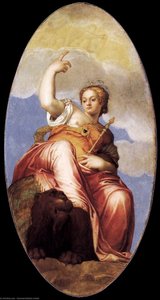
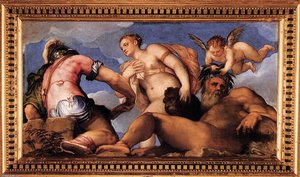
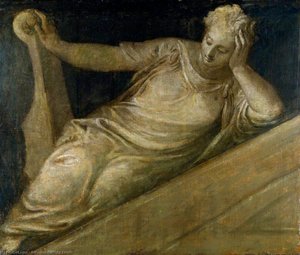
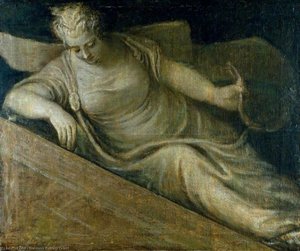
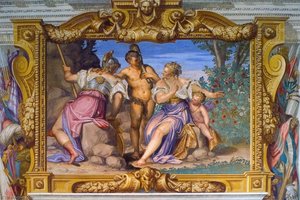
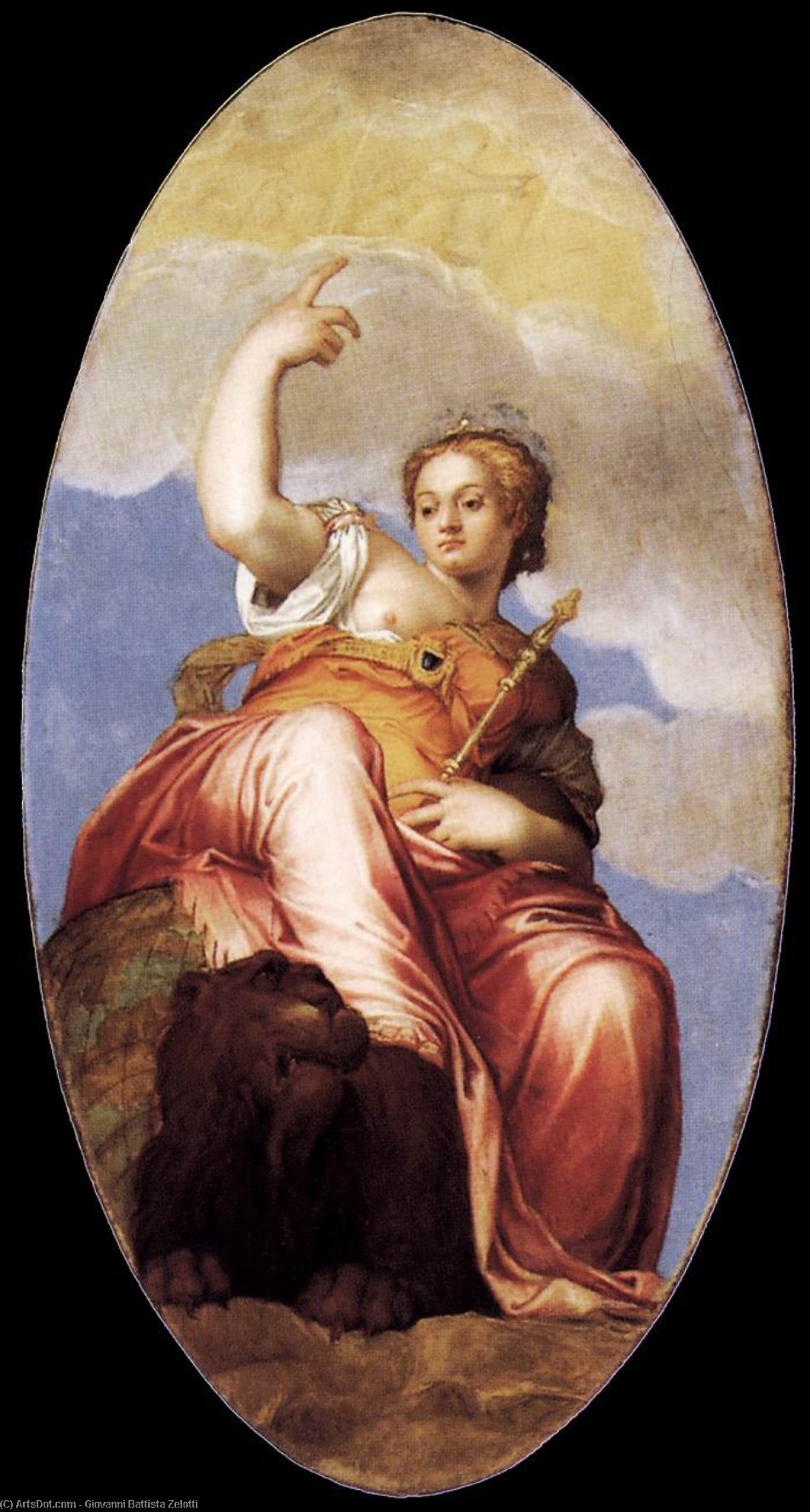
Venice Seated upon the Globe and upon a Lion


 Read More
Hand Made Oil Reproduction
Hand-painted oil on canvas in your size and frame, made to order by our artists. ( Buy Print Buy Image)




P118B $10

P118H $10

P118W $10

P438Z $10

P508JH $12

P508YH $12

P805H $10

P805Z $10

P919BZ $10

P919G $10

P919XJ $10

P959ZH $10

P968JZ $12

W106C $8

W218G $10

W218JH $8

W218Y $10

W307PJ $10

W316G $10

W316PJ $8

W316Y $10

W398PJ $8

W4111J $10

W500HY $15

W500JH $15

W692G $12

W849H $8

W940BG $15

W953PJ $8




Pick from our preset sizes that match the artwork's original proportions.

You may enter your own dimensions to fit a specific frame or space. If your selected size does not match the original image's proportions, we will either crop the artwork or extend the painting with additional hand-painted elements. A digital mockup will be sent for your approval before production begins.
Please note that the on-screen preview does not reflect the actual cropping or extension. Only the mockup will accurately show the final composition.
While custom sizes are available, we recommend selecting a dimension from the predefined list to preserve the original proportions.
After order, ArtsDot.com team will email client for instructions and provide a mockup preview
Worldwide Delivery () in 3/4 weeks instead of standard 5 weeks. (18 August). No compromise on quality.

Free Worldwide Express Shipping

High-Quality Linen Canvas

Full Shipping Insurance

Customs Tax Refund Guarantee

True Color Matching Guarantee

60-Day Return Policy (Defects Only)

100% Money-Back Guarantee

Bulk Discount Offer
 Glass option is only available in size under 110 CM

Venice Seated upon the Globe and upon a Lion
Reproduction Medium
Reproduction Size
-


Total Price
$ 263
Artwork Description
Venice Seated Upon the Globe and Upon a Lion by ZELOTTI, Giovanni Battista
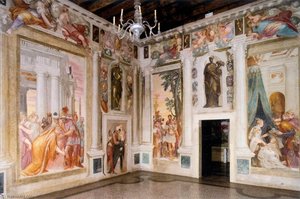
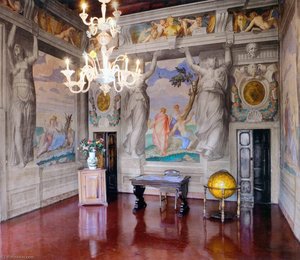
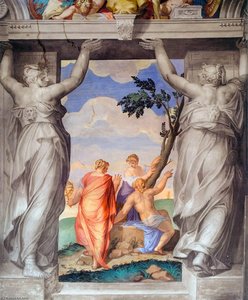
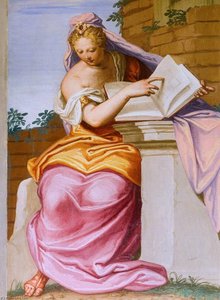
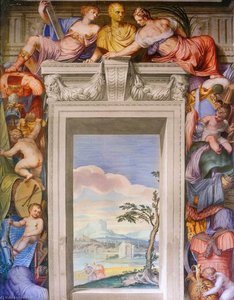
Giovanni Battista Zelotti’s “Venice Seated Upon the Globe and Upon a Lion,” painted in 1553, stands as a testament to the zenith of Venetian Renaissance art – specifically, the Veronese style championed by Palladio's villas. This monumental fresco resides within the Palazzo Ducale di Venezia (Doge’s Palace), cementing Zelotti’s legacy as one of the foremost artists of his era and inextricably linking him to the grandeur of Venetian architectural achievement. The artwork depicts a female figure – likely Venus or Diana – seated majestically upon a colossal rock, radiating authority and divine grace against a backdrop of swirling celestial clouds rendered in breathtaking atmospheric perspective. At her feet rests a lion, symbolizing strength and regal dignity, reinforcing the image of idealized femininity intertwined with imperial power. The fresco’s stylistic hallmarks are undeniably Baroque, albeit subtly infused with Renaissance influences. Zelotti expertly employs chiaroscuro – dramatic contrasts between light and shadow – to sculpt the figure's form and imbue the scene with palpable emotion. The artist meticulously builds up textures through layering paintstrokes, capturing the folds of drapery with remarkable realism and conveying a sense of monumental scale that reflects the grandeur of the Palazzo Ducale itself. Linear perspective guides the viewer’s gaze upwards towards the heavens, creating an illusion of depth and reinforcing the symbolic significance of the celestial realm as a locus of divine contemplation. Beyond its aesthetic beauty, “Venice Seated Upon the Globe and Upon a Lion” carries profound symbolism rooted in humanist philosophy. The figure embodies virtue and nobility – qualities prized by Renaissance thinkers who sought to elevate human intellect and moral character. Her gesture upwards signifies aspiration towards spiritual enlightenment and reflects the Venetian Republic’s commitment to fostering intellectual discourse and artistic excellence. The lion represents courage, vigilance, and protection—attributes associated with rulers striving to safeguard their dominion and uphold justice. Further research into Zelotti's oeuvre reveals collaborations with Palladio on several villas, demonstrating his understanding of architectural principles and his ability to integrate art seamlessly into grand spaces. His meticulous attention to detail and masterful technique exemplify the Venetian Renaissance’s dedication to artistic innovation while honoring classical traditions. The fresco continues to inspire admiration for its sublime beauty and enduring symbolic resonance—a captivating masterpiece that encapsulates the spirit of Venice at the height of its cultural influence.- Artist: Giovanni Battista Zelotti
- Year Painted: 1553
- Location: Palazzo Ducale di Venezia (Doge’s Palace)
- Style: Baroque with Renaissance Influences
- Medium: Oil Paint on Canvas
Additional Resources
Explore Giovanni Battista Zelotti's artistic journey and delve deeper into the Venetian Renaissance through these valuable links:
- Venice Seated Upon the Globe and Upon a Lion by ZELOTTI, Giovanni Battista
- Giovanni Battista Zelotti: Venetian Renaissance Painter
Related Artworks
Discover similar masterpieces from the Venetian Renaissance:
Exploring Venetian Art History
Delve into the broader context of Venetian art history and discover influential artists like Paolo Veronese and Tintoretto:
Related Artworks

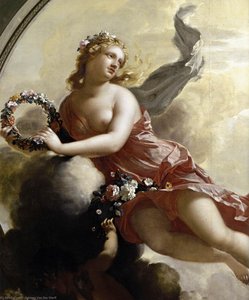
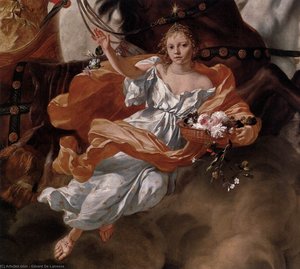
Artist Biography
The Veronese Echo: The Life and Legacy of Giovanni Battista Zelotti
In the vibrant tapestry of the Venetian Renaissance, few threads are as intricately woven into the architectural grandeur of Italy as those spun by Giovanni Battista Zelotti. Born in Verona in 1526, a city then flourishing under the dominion of Venice, Zelotti emerged not merely as a painter, but as a master of atmosphere and narrative scale. His early years were shaped by the rigorous traditions of masters such as Antonio Badile and Domenico Riccio, and his artistic lineage suggests a profound connection to the legendary Titian. This formative period instilled in him a command over color and light that would later allow him to transform static walls into breathing, mythological landscapes.
Zelotti’s journey through the artistic hubs of Padua and Venice allowed him to absorb the evolving stylistic cues of his era. While often viewed as a contemporary and collaborator of Paolo Veronese, Zelotti possessed a unique ability to blend the classical ideals of the High Renaissance with an emerging sense of drama. His work became a bridge between the balanced compositions of the past and the more opulent, emotive qualities that would eventually characterize the Baroque period. This evolution is most evident in his mastery of fresco, a medium that required both immense physical stamina and a sophisticated understanding of how light interacts with plaster and pigment.
Architectural Symbiosis and the Palladian Connection
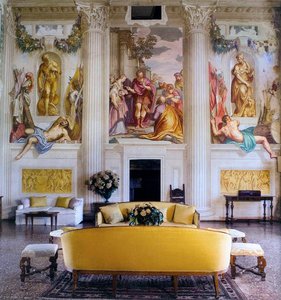
One of the most enduring aspects of Zelotti’s career was his profound synergy with architecture, most notably through his collaborations with the visionary Andrea Palladio. The relationship between painter and architect reached its zenith in the decoration of magnificent villas, such as Villa Emo and Villa Foscari. In these spaces, Zelotti did not merely decorate; he expanded the architectural boundaries. Alongside fellow artists like Bernardino India and Battista Franco, he injected a sense of movement and mythological depth into Palladio’s structured, classical designs.
His frescoes served to animate the stone and marble, bringing the heavens and ancient legends down to the earthly realm of the Venetian nobility. This ability to harmonize with monumental structures ensured that his work became an inseparable part of the Italian landscape. Whether decorating a private villa or a public monument, Zelotti’s hand was always present to provide the narrative soul to Palladio's structural bones.
A Monumental Presence in Venice and Beyond
The true scale of Zelotti’s ambition is perhaps best witnessed in his contributions to the most prestigious institutions of the Venetian Republic. The Doge’s Palace, a symbol of Venetian power and splendor, holds within its ceilings the masterful work of Zelotti, specifically his depiction of “Santi Giovanni e Paolo.” Here, his use of intricate detail and masterful perspective creates an illusion of infinite height, a testament to his skill in managing large-scale compositions. His work in the Biblioteca Marciana further solidified his reputation as a scholar-painter, as he utilized classical mythology to celebrate the humanist ideals that defined the age.
Beyond the borders of Venice, Zelotti’s influence traveled to Mantua, where he engaged with the prestigious Palazzo Gonzaga, continuing the rich Veronese tradition in new territories. His stylistic hallmarks—characterized by:
- Dramatic Lighting: A precursor to the Baroque, using shadow to create depth and emotion.
- Opulent Ornamentation: A lushness of detail that reflected the wealth and prestige of his patrons.
- Mythological Narrative: The seamless integration of Greco-Roman legends into contemporary settings.
Though history sometimes shadows him in the wake of Veronese, Giovanni Battista Zelotti remains an indispensable figure. He was a painter who understood that art is not merely something to be viewed, but something to be inhabited, turning the very walls of Italy's greatest palaces into windows onto the divine and the ancient.
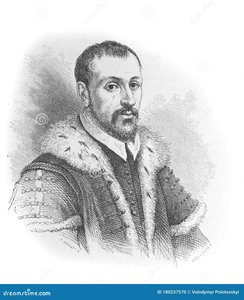
Giovanni Battista Zelotti
1526 - 1578 , Italy
Quick Facts
- Artistic Movement Or Style: Late Renaissance
- Artists Or Movements Influenced By This Artist: ['Andrea Palladio']
- Artists Who Influenced This Artist:
- Antonio Badile
- Domenico Riccio
- Titian
- Date Of Birth: 1526 Verona Italy
- Date Of Death: 1578 Mantova Italy
- Full Name: Giovanni Battista Zelotti
- Nationality: Italian
- Notable Artworks:
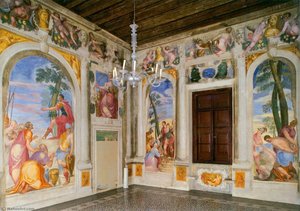
- View of the Room of Sofonisba
- Venice Seated upon the Globe and upon a Lion
- Place Of Birth: Verona Italy
Related Articles

Baroque Drama: Bringing Opulence & Emotion into Contemporary Interiors
Explore the opulent world of Baroque interior design! Discover key elements, modern applications & how to bring dramatic elegance into your home with 's authentic reproductions.

The Enduring Power of Painting: A Historical & Contemporary Exploration of Form and Emotion
Explore the rich history & enduring techniques of oil painting with ArtsDot. Discover masterpieces, learn about art collecting, and find authentic handmade reproductions crafted by skilled artists.

The Dramatic Flourish: Exploring the Baroque Movement's Enduring Legacy in Art History
Explore the dramatic world of Baroque art! Discover iconic artists like Caravaggio & Rubens, defining techniques, and its lasting impact on art history. Expert insights for collectors & enthusiasts at ArtsDot.

The Enduring Legacy of Oil on Canvas: Technique, History & Aesthetic Impact
Explore the rich history & techniques of oil painting – from Renaissance masters to Impressionism. Discover pigments, layering methods, and why this timeless medium endures. Expert insights for artists & art enthusiasts.

Oil on Canvas: A Historical & Technical Exploration of a Timeless Artistic Medium
Explore the rich history & enduring techniques of oil painting on canvas. Discover the science behind its longevity, conservation practices, and contemporary relevance. Expert insights for art enthusiasts.