 Preview
 Send
Send Share
Share
 Details

 Download
 Similars
 X-Ray
X-Ray Diaporama
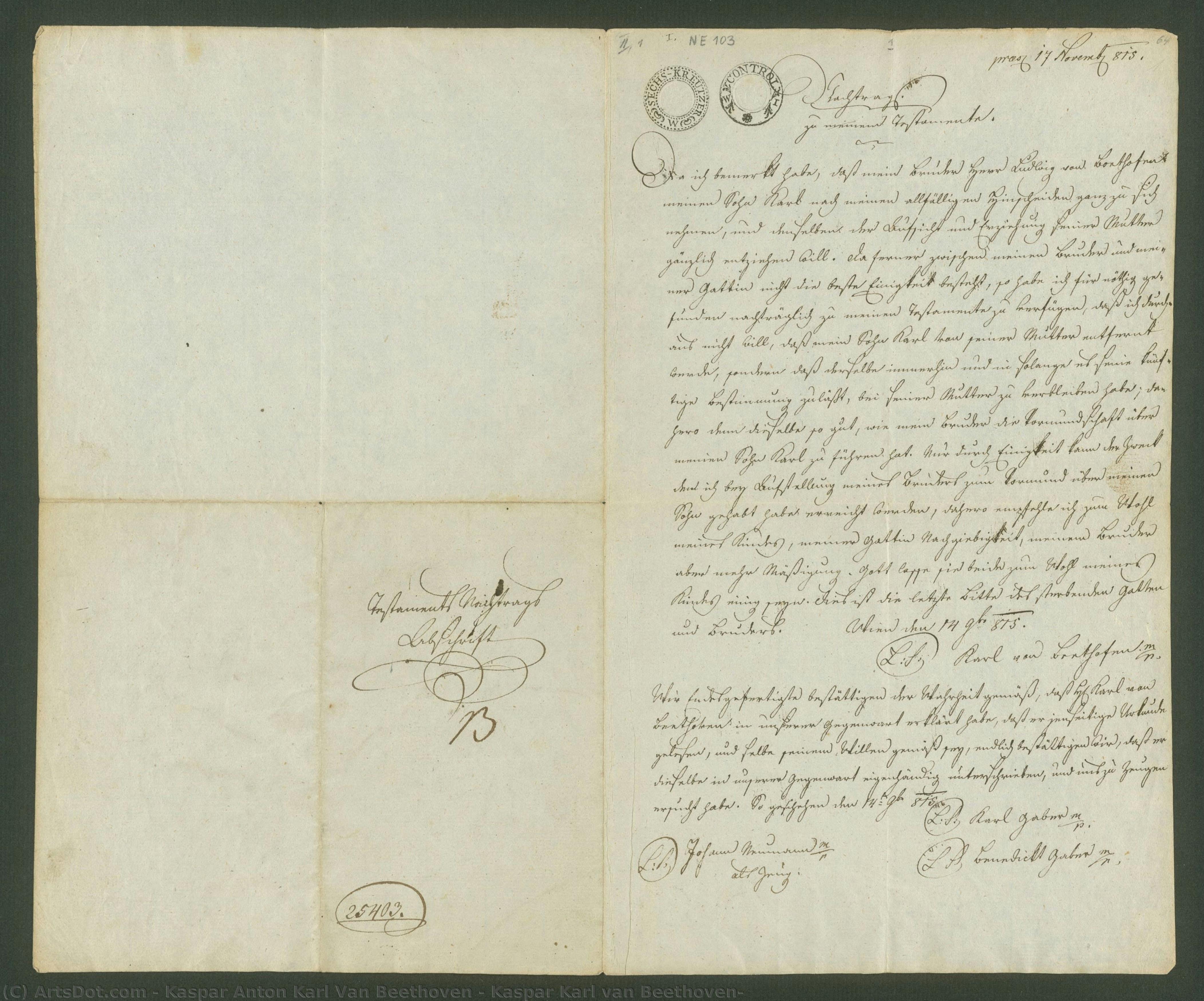
Kaspar Karl van Beethoven
 Acrylic On Canvas
- WallArt
- Romantic Portraiture
 1815
1815 35.0 x 21.0 cm
 Beethoven-Haus Bonn
 Read More
Hand Made Oil Reproduction
Hand-painted oil on canvas in your size and frame, made to order by our artists. ( Buy Print Buy Image)




P118B $10

P118H $10

P118W $10

P438Z $10

P508JH $12

P508YH $12

P805H $10

P805Z $10

P919BZ $10

P919G $10

P919XJ $10

P959ZH $10

P968JZ $12

W106C $8

W218G $10

W218JH $8

W218Y $10

W307PJ $10

W316G $10

W316PJ $8

W316Y $10

W398PJ $8

W4111J $10

W500HY $15

W500JH $15

W692G $12

W849H $8

W940BG $15

W953PJ $8




Pick from our preset sizes that match the artwork's original proportions.

You may enter your own dimensions to fit a specific frame or space. If your selected size does not match the original image's proportions, we will either crop the artwork or extend the painting with additional hand-painted elements. A digital mockup will be sent for your approval before production begins.
Please note that the on-screen preview does not reflect the actual cropping or extension. Only the mockup will accurately show the final composition.
While custom sizes are available, we recommend selecting a dimension from the predefined list to preserve the original proportions.
After order, ArtsDot.com team will email client for instructions and provide a mockup preview
Worldwide Delivery () in 3/4 weeks instead of standard 5 weeks. (23 August). No compromise on quality.

Free Worldwide Express Shipping

High-Quality Linen Canvas

Full Shipping Insurance

Customs Tax Refund Guarantee

True Color Matching Guarantee

60-Day Return Policy (Defects Only)

100% Money-Back Guarantee

Bulk Discount Offer
 Glass option is only available in size under 110 CM

Kaspar Karl van Beethoven
Reproduction Medium
Reproduction Size
-


Total Price
$ 263
Artwork Description
Kaspar Anton Karl van Beethoven: A Portrait of Artistic Legacy
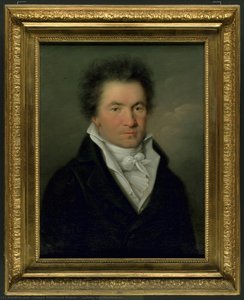
The painting depicting Kaspar Anton Karl Van Beethoven stands as a poignant testament to familial bonds intertwined with artistic ambition—a miniature portrait capturing the essence of a man caught between duty and desire, forever shadowed by the towering presence of his celebrated uncle. Executed in 1815 by an unnamed artist, this artwork transcends mere representation; it’s imbued with subtle nuances that speak volumes about the era's social dynamics and the complexities of familial relationships.
- Subject Matter: The portrait focuses intently on Kaspar Anton Karl Van Beethoven himself—a young man embodying both vulnerability and determination. His gaze directs outwards, hinting at aspirations beyond his immediate surroundings, while his attire reflects the conventions of aristocratic society during his formative years.
- Style & Technique: Employing a meticulous oil painting technique, the artist skillfully captures the textures of Kaspar’s clothing and skin—a hallmark of Neoclassical portraiture prevalent in Vienna at the time. The subdued palette—primarily muted browns and creams—creates an atmosphere of quiet contemplation, prioritizing psychological depth over flamboyant embellishment.
- Historical Context: Painted amidst the turbulent backdrop of Beethoven's tumultuous legal battles with his mother regarding custody—a drama fueled by Ludwig’s unwavering conviction that Karl should be shielded from Johanna’s influence—the portrait serves as a visual chronicle of this pivotal period in Beethoven’s life. It reflects the anxieties and uncertainties prevalent within Viennese aristocratic circles concerning familial matters and inheritance disputes.
- Symbolism: The artist's choice of pose—seated formally, yet with an air of introspection—suggests a preoccupation with self-reflection and intellectual pursuits—mirroring Beethoven’s own dedication to musical composition. Furthermore, the subtle lighting emphasizes Kaspar’s face, highlighting his inner character and conveying a sense of dignified solemnity.
- Emotional Impact: Beyond its technical prowess, the painting resonates emotionally through its portrayal of familial conflict and paternal concern. It invites viewers to contemplate themes of responsibility, ambition, and the enduring influence of family history—capturing a moment frozen in time that encapsulates both the grandeur of artistic achievement and the poignant realities of human experience.
Displayed at the Beethoven-Haus Bonn, this artwork offers an intimate glimpse into the life of a lesser-known figure within Beethoven’s orbit—a reminder that even amidst the brilliance of his uncle's legacy, individual destinies unfold with remarkable complexity and grace.
Related Artworks
Artist Biography
The Shadow of a Legacy: The Life of Kaspar Anton Karl van Beethoven
Kaspar Anton Karl van Beethoven remains one of the most poignant figures in the shadow of musical greatness, a man whose life was inextricably woven into the turbulent tapestry of the Beethoven dynasty. Born in Bonn, Germany, in 1774, Kaspar entered a world defined by both profound familial connection and intense personal struggle. As the nephew of the legendary composer Ludwig van Beethoven, his early years were marked by the heavy weight of expectation and the tragic loss of maternal stability. The death of his mother, Johanna, left him navigating a childhood shaped by the financial instability of his father, Johann, and the looming presence of an uncle whose fame would soon reshape the musical world forever. This period of formative hardship instilled in Kaspar a deep appreciation for the quietude of the Rhineland landscape, a sensitivity that would eventually find expression through his visual artistry rather than the symphonic stage.Artistic Expression and the Pursuit of Beauty
While history often remembers him through the lens of a bitter custody battle and familial rivalry, Kaspar’s true essence emerged in his devotion to the visual arts. Moving away from the rigorous musical tutelage of his youth, he turned his gaze toward the canvas, finding solace in the depiction of German landscapes and intimate portraits. His work is characterized by an evocative ability to capture the atmospheric nuances of the natural world, reflecting a style that sought to find beauty in simplicity and stillness. There is a certain melancholy inherent in his brushwork, perhaps a reflection of the emotional complexities of his upbringing. Through his paintings, Kaspar was able to cultivate a unique artistic voice that stood apart from the thunderous compositions of his uncle, opting instead for a more contemplative and observational approach to the world around him.A Legacy Defined by Resilience
The historical significance of Kaspar Anton Karl van Beethoven lies not in widespread fame, but in the quiet resilience of an artist navigating a monumental legacy. His life serves as a fascinating study of how identity is forged in the presence of giants. Though his musical compositions remained largely unpublished and his name is often relegated to footnotes in biographies of Ludwig, his contributions to the visual landscape of his era offer a window into the emotional climate of the late 18th and early 19th centuries. To study Kaspar is to understand the human element behind the historical icons—the struggle for autonomy, the search for personal meaning, and the enduring power of art to transform personal hardship into lasting aesthetic beauty. His works remain a testament to a life lived in the delicate balance between the echoes of a great musical past and the pursuit of an independent creative future.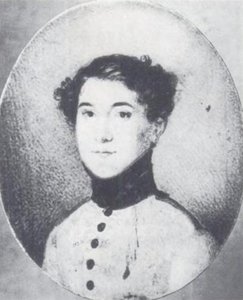
kaspar anton karl van beethoven
1774 - 1815 , Germany
Quick Facts
- Artistic Movement Or Style: Classical German Art
- Artists Or Movements Influenced By This Artist: ['Johann Gregor van der Schardt']
- Artists Who Influenced This Artist: ['Ludwig van Beethoven']
- Date Of Birth: Bonn, Germany (1774)
- Date Of Death: Vienna (1815)
- Full Name: Kaspar Anton Karl van Beethoven
- Nationality: German
- Notable Artworks: ['Flora']
- Place Of Birth: Bonn
Related Articles

Rembrandt's Masterpieces: Explore 25 Iconic Paintings & Prints | ArtsDot
Journey through Rembrandt van Rijn's 25 most iconic paintings & etchings. Explore Dutch Golden Age masterpieces, dramatic chiaroscuro, and timeless portraits. Find museum-quality art reproductions to elevate your home decor on ArtsDot.com.
Sir Anthony van Dyck: Courtly Portraiture & the Shaping of Baroque Identity
Explore the life & legacy of Sir Anthony van Dyck, the leading court painter of his era. Discover his innovative portraiture, Baroque masterpieces, and investment potential for discerning collectors. Learn more at ArtsDot.

Baroque Masterpieces: 10 Paintings That Defined an Era |
Journey through the drama & grandeur of Baroque art! Explore 10 masterpieces by Caravaggio, Rembrandt, Rubens & more. Discover stunning oil paintings, rich colors & timeless stories. Find museum-quality reproductions at .

Dutch Baroque Masters: 10 Paintings That Shaped an Era | ArtsDot
Journey through the Golden Age with our guide to the Top 10 Dutch Baroque masterpieces! Explore iconic paintings by Rembrandt, Vermeer & Frans Hals. Find museum-quality art reproductions and elevate your home decor at ArtsDot.com.

Baroque Drama: Bringing Opulence & Emotion into Contemporary Interiors
Explore the opulent world of Baroque interior design! Discover key elements, modern applications & how to bring dramatic elegance into your home with 's authentic reproductions.