Preview
 Send
Send Share
Share
 Details

 Download
 Similars
 X-Ray
X-Ray Diaporama
 Stats
StatsProphet Elijah and the Widow of Sarepta
 Oil On Canvas
- WallArt
- Baroque
 1630
1630- Early Modern
 106.0 x 138.0 cm
 Kunsthistorisches Museum
 Read More
Hand Made Oil Reproduction
Hand-painted oil on canvas in your size and frame, made to order by our artists. ( Switch to Print Switch to Digital Image)




P118B $10

P118H $10

P118W $10

P438Z $10

P508JH $12

P508YH $12

P805H $10

P805Z $10

P919BZ $10

P919G $10

P919XJ $10

P959ZH $10

P968JZ $12

W106C $8

W218G $10

W218JH $8

W218Y $10

W307PJ $10

W316G $10

W316PJ $8

W316Y $10

W398PJ $8

W4111J $10

W500HY $15

W500JH $15

W692G $12

W849H $8

W940BG $15

W953PJ $8

Pick from our preset sizes that match the artwork's original proportions.

You may enter your own dimensions to fit a specific frame or space. If your selected size does not match the original image's proportions, we will either crop the artwork or extend the painting with additional hand-painted elements. A digital mockup will be sent for your approval before production begins.
Please note that the on-screen preview does not reflect the actual cropping or extension. Only the mockup will accurately show the final composition.
While custom sizes are available, we recommend selecting a dimension from the predefined list to preserve the original proportions.
After order, ArtsDot.com team will email client for instructions and provide a mockup preview
Worldwide Delivery () in 3/4 weeks instead of standard 5 weeks. (15 September). No compromise on quality.

Free Worldwide Express Shipping

High-Quality Linen Canvas

Full Shipping Insurance

Customs Tax Refund Guarantee

True Color Matching Guarantee

100-Day Return Policy (Defects Only)

100% Money-Back Guarantee

Bulk Discount Offer
 Glass option is only available in size under 110 CM

Prophet Elijah and the Widow of Sarepta
Reproduction Medium
Reproduction Size
-


Total Price
$ 263
A Divine Encounter in Oil and Light
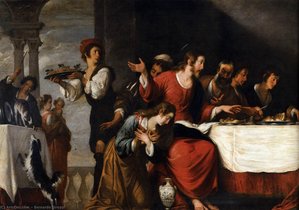
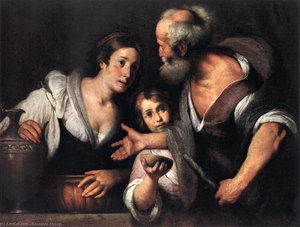
In the heart of the Venetian Baroque era, Bernardo Strozzi captured a moment of profound spiritual gravity with his 1630 masterpiece, Prophet Elijah and the Widow of Sarepta. This evocative oil on canvas does not merely illustrate a biblical passage; it breathes life into the very essence of faith during times of scarcity. The scene unfolds within a richly textured interior, where Strozzi masterfully orchestrates a meeting between the venerable prophet and a family caught in the grip of adversity. As the eye wanders across the canvas, one is immediately struck by the dramatic chiaroscuro—the intentional, theatrical interplay of deep shadows and radiant light—that sculpts the figures with a palpable, three-dimensional presence. The warmth of the palette, dominated by glowing golds and deep, resonant reds, serves to illuminate the faces of the protagonists, suggesting a divine grace that pierces through the surrounding gloom.
The composition is a study in balanced tension, pulling the viewer into a quiet yet intense dialogue between three souls. Strozzi utilizes broad, energetic brushstrokes characteristic of the Venetian school, yet he anchors the movement with meticulous details that ground the miraculous narrative in a gritty, recognizable reality. The man on the left, bearing a white beard and draped in heavy robes, cradles a child, his expression caught in mid-conversation with his companions. Between them, the widow stands with her back partially turned, a positioning that invites the viewer to share in her contemplative state. Nearby, simple bowls rest upon a surface, humble symbols of the meager sustenance available during the drought, yet they become vessels of hope within this sacred narrative.
Symbolism and the Legacy of Baroque Devotion
Beyond its visual splendor, the painting serves as a profound theological testament. The story of Elijah in Sarepta is one of survival and miraculous intervention, where the prophet’s presence brings sustenance to a widow through God's command. Strozzi translates this scriptural miracle into a visual language of resilience. Every element, from the heavy folds of the drapery to the way light catches the weathered skin of the figures, reinforces the theme of unwavering devotion amidst hardship. For the discerning collector or interior designer, this piece offers more than just aesthetic beauty; it provides a focal point of emotional depth and historical weight. It is an artwork that commands attention, inviting a sense of solemnity and reflection into any curated space.
To possess a reproduction of such a significant work is to bring a fragment of the Kunsthistorisches Museum into one's own environment. Strozzi’s ability to blend the naturalism of his Genoese training with the luminous splendor of Venice makes this painting an eternal classic. It remains a powerful choice for those seeking to decorate with pieces that possess a soul—artworks that do not merely occupy a wall but tell a story of human endurance and the enduring light of the spirit.
Related Artworks




Artist Biography
early life and training
bernardo strozzi, also known as il cappuccino and il prete genovese, was a prominent italian baroque painter and engraver born in 1581 in genoa, italy. his early training took place in the workshop of cesare corte, a minor genoese painter, under whose guidance strozzi developed his skills until 1596. he then joined the workshop of pietro sorri, an innovative sienese painter, who led strozzi towards a more naturalistic style.artistic career
strozzi's career can be divided into two main periods: his early years in genoa and his later work in venice. in genoa, he worked on various projects, including the frescoes in the choir of the san domenico church, commissioned by members of the doria family.- key works:
- the vision of saint dominic (paradise) ( preparatory oil bozzetto for the vault, located at the museo dell’accademia ligustica in genoa)
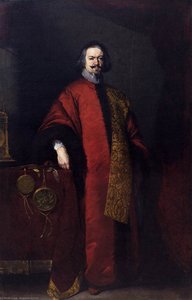
- portrait of doge francesco erizzo (painted soon after his arrival in venice)
influence and legacy
strozzi's powerful art, characterized by rich colors and broad brushstrokes, had a significant impact on the artistic developments in both genoa and venice. he is considered one of the principal founders of the venetian baroque style.- notable patrons:
- doge francesco erizzo
- catholic cardinal and patriarch of venice federico baldissera
- prominent venetian artists, including claudio monteverdi and barbara strozzi
later life and death
strozzi's later years were marked by his work as an engineer. he died in venice in 1644, leaving behind a legacy as a versatile and prolific artist. view more works by bernardo strozzi on ArtsDot: [https://ArtsDot.com/@/bernardo-strozzi](https://ArtsDot.com/@/bernardo-strozzi) explore the pinacoteca di vicenza, italy, featuring works from various periods and styles: /en/art/show/art-d3afpd-en/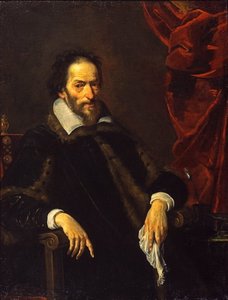
Bernardo Strozzi
1581 - 1644 , Italy
Quick Facts
- Artistic Movement Or Style: Baroque
- Artists Or Movements Influenced By This Artist: ['Venetian Baroque']
- Artists Who Influenced This Artist:
- Cesare Corte
- Pietro Sorri
- Date Of Birth: 1581
- Date Of Death: 1644
- Full Name: Bernardo Strozzi
- Nationality: Italian
- Notable Artworks:
- Vision of St. Dominic
- Portrait of Doge Erizzo
- St Lawrence Giving Alms
- Place Of Birth: Genoa, Italy
Related Articles

Jacopo Tintoretto's Masterpieces: 25 Paintings That Define Venetian Drama | ArtsDot
Explore 25 breathtaking masterpieces by Jacopo Tintoretto, the Venetian master of drama and light. Discover the stories behind iconic Renaissance paintings & find museum-quality art reproductions to elevate your home decor on ArtsDot.com.

Echoes of Time: Exploring the Enduring Appeal & Historical Context of Vintage Art Prints
Explore the captivating world of vintage art prints! Discover their history, collecting tips & enduring appeal. Expert insights on chromolithography and building a legacy collection with ArtsDot.

Giclée Prints: Archival Quality & Aesthetic Nuances for the Discerning Collector
Explore the world of giclée prints with ArtsDot. Learn about archival quality, aesthetic nuances & investment potential. Expert guidance for discerning art collectors seeking museum-quality reproductions and lasting value.

Baroque Drama: Bringing Opulence & Emotion into Contemporary Interiors
Explore the opulent world of Baroque interior design! Discover key elements, modern applications & how to bring dramatic elegance into your home with ArtsDot.com's authentic reproductions.

The Enduring Legacy of Fine Art Prints: Technique, History & Aesthetic Impact
Explore the rich history & techniques of fine art prints. Discover investment potential, assess authenticity, and learn how to preserve your collection with expert guidance. Trusted insights for discerning collectors.