 Preview
 Send
Send Share
Share
 Details

 Download
 Similars
 X-Ray
X-Ray Diaporama
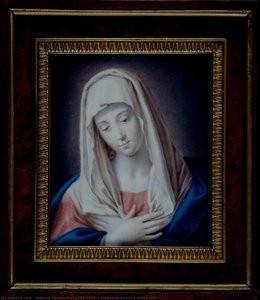
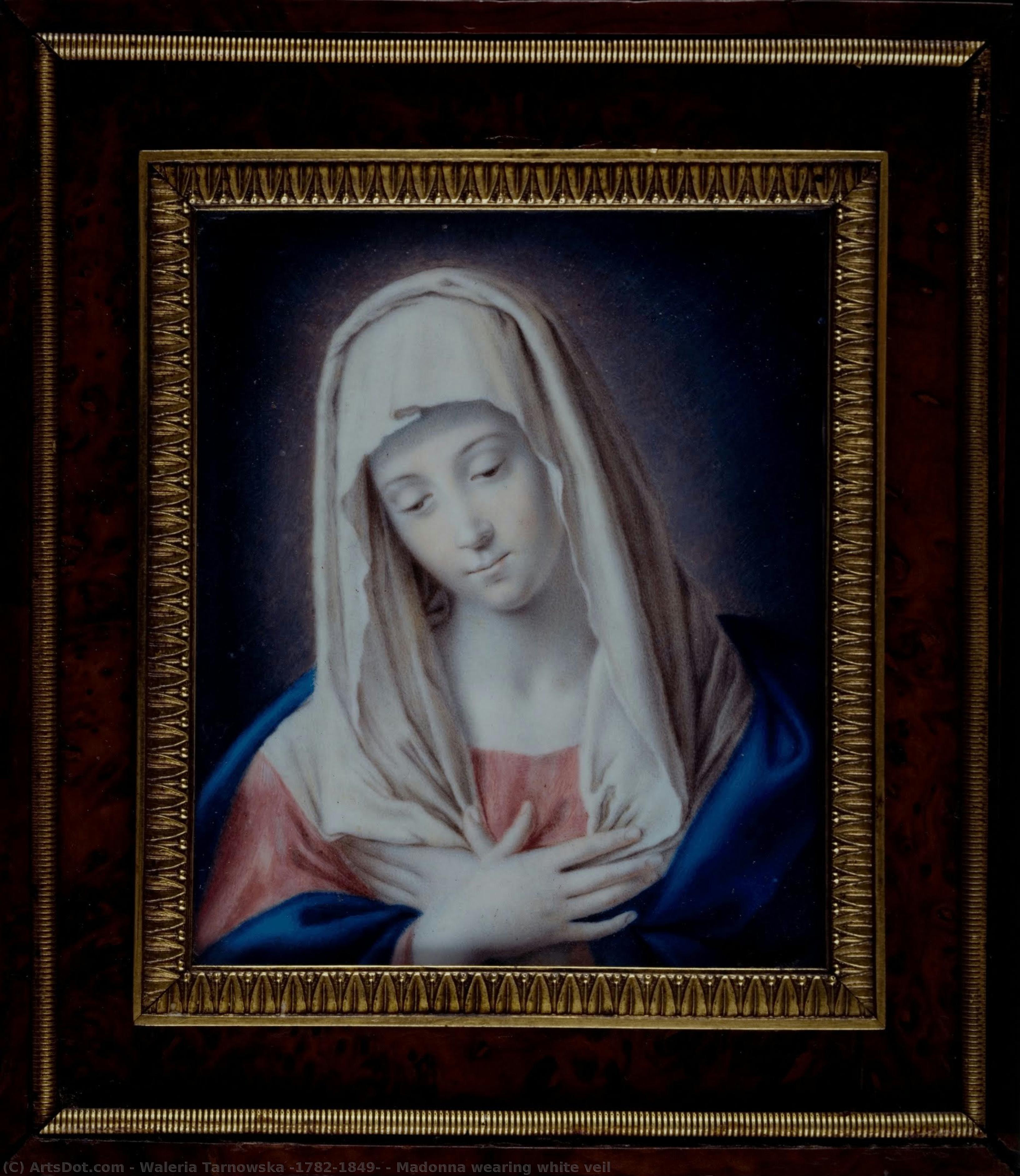
Madonna wearing white veil
 1850
1850 8.0 x 7.0 cm
 The Polish Museum in Rapperswil
 Read More
Hand Made Oil Reproduction
Hand-painted oil on canvas in your size and frame, made to order by our artists. ( Buy Print Buy Image)




































Pick from our preset sizes that match the artwork's original proportions.

You may enter your own dimensions to fit a specific frame or space. If your selected size does not match the original image's proportions, we will either crop the artwork or extend the painting with additional hand-painted elements. A digital mockup will be sent for your approval before production begins.
Please note that the on-screen preview does not reflect the actual cropping or extension. Only the mockup will accurately show the final composition.
While custom sizes are available, we recommend selecting a dimension from the predefined list to preserve the original proportions.
After order, ArtsDot.com team will email client for instructions and provide a mockup preview
Worldwide Delivery () in 3/4 weeks instead of standard 5 weeks. (21 August). No compromise on quality.

Free Worldwide Express Shipping

High-Quality Linen Canvas

Full Shipping Insurance

Customs Tax Refund Guarantee

True Color Matching Guarantee

60-Day Return Policy (Defects Only)

100% Money-Back Guarantee

Bulk Discount Offer
 Glass option is only available in size under 110 CM

Madonna wearing white veil
Reproduction Medium
Reproduction Size
-


Total Price
$ 263
Related Artworks








Artist Biography
Waleria Tarnowska (1782-1849): A Polish Miniature Maestro
Waleria Tarnowska was a Polish collector of Dutch and Flemish painting, 1782-1849, known primarily for her exquisite miniature paintings—a remarkable feat considering the artistic landscape of her era. Born in Bubnów (Volhynia), Poland, she descended from noble lineage, specifically the Strzemię coat of arms family, shaping her worldview and fostering a deep appreciation for cultural heritage. Her life was marked by intellectual curiosity and engagement with prominent figures of Polish scholarship—Wawrzyniec Surowiecki, historian and archaeologist, and Jędrzej Śniadecki, professor of chemistry and medicine—who instilled in her a rigorous educational foundation.Early Education and Artistic Training
Waleria’s formative years were spent at home under the tutelage of governesses, complemented by instruction from these influential academics. Recognizing her innate talent for art, she pursued formal training in Horochów with Constantino Villani, a celebrated miniaturist, honing her skills alongside de Hoflize and Wincenty Lesseur between 1800-1804 in Dzików and Warsaw (1810). These formative years solidified her dedication to the miniature genre, establishing connections with masters of European art. Her training encompassed drawing lessons with Antonio Cherubini in Rome, furthering her artistic understanding and broadening her horizons.A Flourishing Artistic Career: Miniature Painting and Beyond
Waleria Tarnowska’s artistic career blossomed during the Romantic period, characterized by a fervent interest in capturing fleeting moments and conveying profound emotion within constrained spaces. She excelled as a miniaturist, meticulously recreating paintings by renowned artists—Lorenzo Lotto, Guercino, Guido Reni, Rembrandt, Annibale Carracci, Salvator Rosa, Hans Holbein the Younger, van Dyck, Anton Raphael Mengs, Bernini—demonstrating an unparalleled command of technique and artistic vision. Her subjects ranged from portraits of family members to religious depictions imbued with spiritual depth, reflecting her personal beliefs and cultural values. Notably, she signed her works “V. T.”, a subtle nod to her identity as Waleria Tarnowska.Notable Works and Patronage
Among her most celebrated achievements were reproductions of masterpieces by other painters—a testament to her artistic prowess and intellectual engagement. Her meticulous copies captured the essence of their originals, showcasing her ability to distill complex ideas into miniature form. She amassed a remarkable collection of paintings, sketches, sculptures, books and antiques in Dzików, attracting artists and intellectuals alike. This collection included works by masters such as Rembrandt’s *Polish Rider*, acquired during her travels to Italy in 1803–1804—a journey that cemented her connections with influential figures like Angelica Kauffmann and Antonio Cherubini. Her patronage fostered artistic innovation and enriched the cultural landscape of Poland.Legacy and Recognition
Waleria Tarnowska’s legacy extends beyond her individual artworks; she served as an inspiration to subsequent generations of Polish artists, embodying intellectual curiosity, artistic dedication, and a profound appreciation for cultural heritage. Her meticulous reproductions of celebrated paintings stand as enduring symbols of artistic excellence—a testament to her unwavering commitment to preserving and disseminating European art traditions. Today, her work resides in museums across Switzerland, including the Polish Museum in Rapperswil, where her watercolor painting *Madonna wearing white veil* continues to captivate audiences with its beauty and artistry. Her story exemplifies the transformative power of education, artistic training, and cultural patronage—a legacy that resonates powerfully within the annals of Polish art history.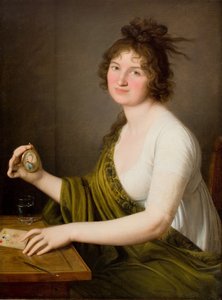
waleria tarnowska (1782-1849)
1782 - 1849 , Poland
Quick Facts
- Artistic Movement Or Style: Miniature painting
- Artists Or Movements Influenced By This Artist: ['Dutch and Flemish Painting']
- Artists Who Influenced This Artist:
- Constantino Villani
- Wincenty de Lesseur
- Date Of Birth: 1782
- Date Of Death: 1849
- Full Name: Waleria Tarnowska
- Nationality: Polish
- Notable Artworks:
- Madonna wearing white veil
- Aleksandra z Tarnowskich Stroynowska
- Place Of Birth: Poland (Bubnów)